English

The EPR Law in Chile: Promoting Sustainable Waste Management

The Extended Producer Responsibility Law (EPR) in Chile, also known as EPR Law, is a legislation enacted in 2016, whose main objective is to promote sustainable waste management, encouraging the reduction, reuse and recycling of products and packaging, with the aim that producers take responsibility for managing the waste generated by their products at the end of their useful life cycle.

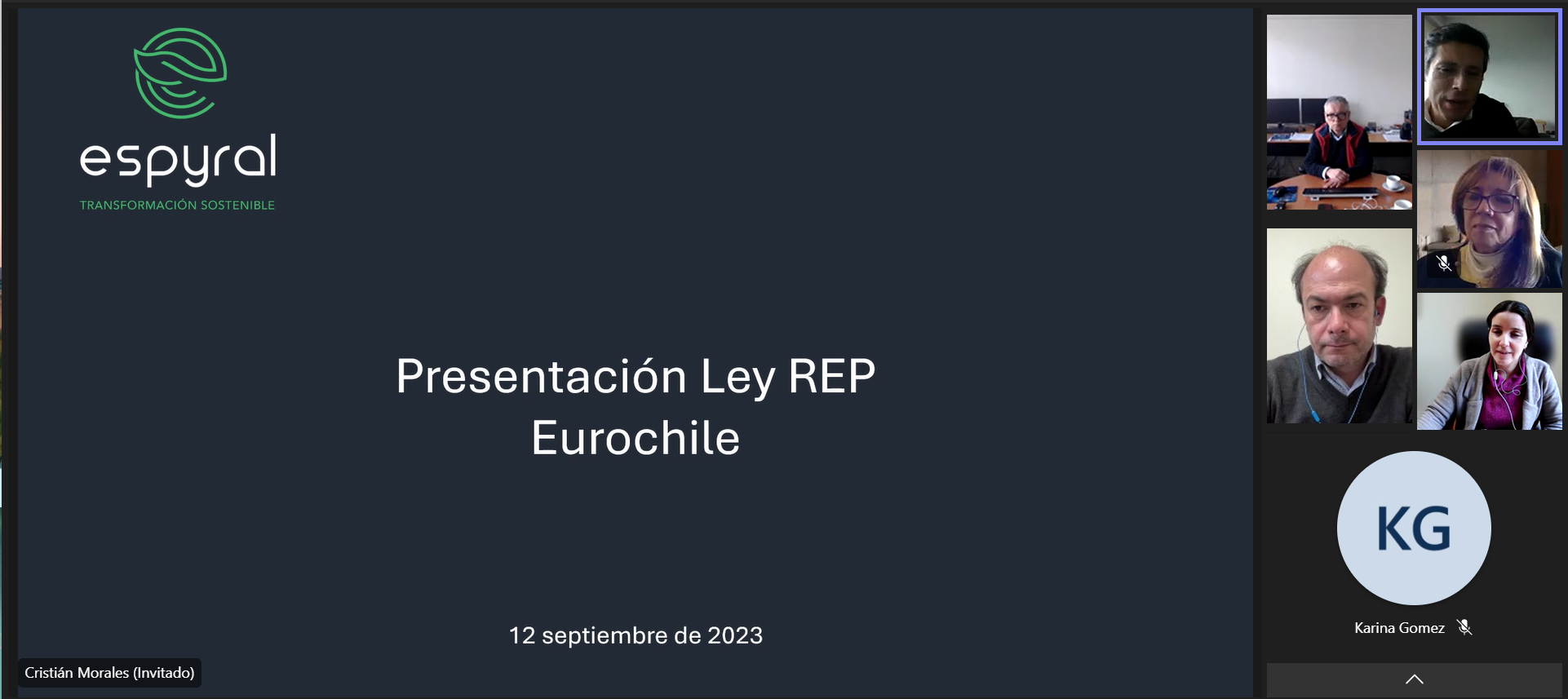
On Tuesday 12 September, businessman Cristián Morales from Espyral, a consulting company that helps to generate strategies for circular transformations and compliance with the EPR Law, presented on the development of the EPR Law in Chile during the meeting of the Circular Economy Working Group of the Eurochile Business Foundation. In his presentation, he addressed several key issues, such as the categorisation of priority products in household and non-household categories, the objectives and goals of the EPR regime, the possible penalties that can reach up to 10 UTM, the valorisation of recycling, the various categories contemplated in the law and its future development, including the goals to be met in the coming years.

This implies financing the collection, treatment and proper disposal of this waste, which means that the law applies to a wide range of products and packaging, including electronics, batteries, tyres, packaging, lubricating oils and batteries. “To implement this law, producers must fulfil their responsibilities through individual or collective management systems, partnering with other producers or contracting with third parties. In that sense, recycling and recovery targets are gradually established with the aim of increasing the recycling rate in the country,” says Cristián Morales.

In addition, the EPR Law provides for the introduction of eco-labels to enable consumers to identify environmentally friendly products. It also establishes sanctions and fines for producers who do not comply with their responsibilities and promotes environmental education in relation to waste management. The implementation of this law has been carried out progressively in different sectors and products over several years, with the aim of facilitating the adaptation of producers and management systems to the new regulations.

On the other hand, in Europe, the implementation of the Extended Producer Responsibility Law varies from country to country, with specific regulations defining the obligations of producers. Some European countries have specific EPR laws that clearly state these responsibilities, while others have more general regulations related to waste management and the circular economy.

In this regard, Chile took as a reference the legislations of Spain, Germany and Belgium that focus on packaging. In the case of Spain, the EPR law is based on the 2011 Law on Waste and Contaminated Soils, which establishes the responsibilities of producers in waste management, thus, by 2019, through selective collection systems, it achieved a recycling rate of 78.8%.

Regarding Germany, it adopted the EPR law in 1991 and achieved a recycling rate of 87.9% in 2019 thanks to selective sorting and recycling systems. Belgium, on the other hand, implemented the Extended Producer Responsibility Law in 1997 and achieved a rate of 89% in 2019 for plastic, glass, paper and cardboard packaging through efficient collection and recycling systems.

The European Union (EU) establishes a general framework for waste management in Europe through the Waste Framework Directive, promoting circular economy principles including producer responsibility. In addition, the EU has adopted specific directives for products such as packaging, batteries and electronic products, which include provisions related to producer responsibility for the proper management of waste.

Ultimately, the Extended Producer Responsibility Law is an important measure to promote sustainability and reduce waste generation in Chile by making producers more aware of their responsibility for the full life cycle of their products. It also encourages the circular economy by boosting the reuse and recycling of materials.

Eduardo Martínez, CEO of HIDRIA: “The Circular Economy is a systemic approach that requires time to be fully implemented”

Eduardo Martínez is a Spanish expert with a track record of more than 20 years in various disciplines, with a focus on the Circular Economy applied to tourism. He is CEO of HIDRIA, a company dedicated to science, environment and sustainable development. In addition, he stands out as a senior consultant specialising in the direction and comprehensive management of international projects related to sustainability, environment, tourism and human development. Throughout his career, he has led and executed projects in various parts of the world.

Martínez has had the opportunity to work on the project “Reactivation of Regional Tourism with Circular Economy”, executed by the Eurochile Business Foundation and financed by the Regional Government of Coquimbo through the Innovation Fund for Competitiveness (FIC), which contributes to the reactivation and recovery of local tourism through the generation of new sustainable and circular products, thus promoting knowledge and the transition to a circular economy among SMEs in the region.

In this sense, he has been present both at the launch of the programme held on 6 June in the city of La Serena and at the webinar “How to adopt a tourism product to the Circular Economy”, held on Wednesday 13 September. During the latter event, the expert presented various topics related to the implementation of the circular economy in the tourism sector in Chile. These topics included the evaluation of the current state of Chile in terms of circular economy in tourism, self-diagnosis tools available, the relevance of value propositions, strategies to implement effective circular practices and the benefits that the circular economy brings to companies, among others.

In this regard, we spoke with Eduardo Martinez, CEO of HIDRIA, Science, Environment and Development, who told us about the different perspectives that circular tourism can have both in Chile and Europe, the benefits of implementing the circular economy in the tourism sector and the importance of disseminating this information through the workshops organised by the Eurochile Business Foundation in the framework of the project implemented in the region of Coquimbo.

⦁            How is Europe doing in terms of Circular Tourism?

Talking about Europe implies dealing with a very ambitious geographical concept. When we refer to Europe, especially in the central and northern part, we are talking about territories that have always maintained an approach closer to sustainability, green and circular economy. Moreover, as far as the South-Central area is concerned, this region is known for its tourist attractiveness.

On the other hand, there is a strong commitment by governments in this direction. Tourism is mainly driven by the private sector, but the public sector plays an important role in formulating strategies and regulations to steer tourism towards more sustainable practices. However, the private sector is often constrained by public restrictions when trying to move towards circularity in tourism. There are aspects beyond their control, and although they can undertake actions related to the circular economy, these depend on the individual initiative of entrepreneurs and their belief in the differential benefits it can offer.

The speed at which circularity is being adopted in tourism in Europe varies according to region and type of company. Circularity is a complex concept, and the circular economy is a systemic approach that goes beyond simple recycling. It involves profound changes in business processes and practices. This complexity is compounded by the diversity of the tourism sector, which ranges from car rental to accommodation, restaurants and tourism services. Integrating these elements is a significant challenge. Moreover, in the aftermath of the pandemic, most of the tourism sector is still recovering from the devastating impacts on its operations.

It is important to note that tourism will have to adapt to the circular economy or face significant challenges due to increased waste and the need for greater sustainability. Some regions, such as Mallorca, are already implementing regulations that oblige tourism businesses to develop circularity plans, indicating a gradual shift towards more sustainable practices in the sector.

In short, I believe that it will still take several years before the circular economy becomes the norm in Europe and the world. Two decades ago, we started talking about sustainability, and now we are making the transition to the circular economy. Both concepts are valuable but very different. It is a gradual process that is gaining more and more followers.

⦁            What is your perception of the state of implementation of the Circular Economy in the tourism sector in Chile?

From Chile and from the region of Coquimbo, a remarkable initiative is being developed in terms of interest in listening and opening up to the issue of the circular economy. I believe that the regional government of Coquimbo, with its greener and more sustainable approach, has the clear intention to incorporate circularity as a central issue in its agenda.

It is worth noting that more and more tourists are specifically looking for tourism experiences that address circularity as a fundamental aspect. However, I also perceive a shared concern, not only in relation to the initiatives that are being carried out in Chile, such as those promoted by Eurochile, but also internationally through platforms such as LinkedIn and social networks, where movements and actions are being generated.

However, it is crucial to distinguish between ephemeral actions, which could be considered “fireworks” that only last for a short period, and efforts that take a longer-term view. In other words, receiving a grant for projects related to the circular economy is fine, but without long-term planning and sustainable implementation over time, such efforts can be short-lived.

The circular economy is a systemic approach that requires time for full implementation. While small actions can be taken and possibly inspire some entrepreneurs to think differently, it is essential to allow time for these changes to develop. It is not a simple or quick process.

⦁            What are the elements necessary for these destinations to meet the requirements that attract the sustainable tourist?

Many significant initiatives are being developed in Chile, especially in the restaurant industry, to address issues such as food waste. Many companies are beginning to quantify and assess the amount of food that is wasted and are looking for ways to improve their waste management. The circular economy is based on reducing waste, beyond recycling, by transforming energy and material chains into more efficient systems.

In addition to food waste, other key issues in the transition to the circular economy include energy management and mobility. Tourists increasingly value sustainable mobility and spaces adapted to more environmentally friendly practices. The importance of reducing the carbon footprint of tourism experiences is also highlighted, which involves calculating and minimising the carbon emissions associated with tourism activities.

However, implementing circular practices takes time and requires commitment from entrepreneurs. Measuring carbon footprint and water footprint, along with finding ways to minimise them, are key elements in this process. In addition, the adoption of certifications related to carbon footprint and water footprint is starting to become a differentiating and valuable practice in the tourism industry.

Today, “net zero carbon” tourism experiences are booming and are valued by tourists. However, achieving a zero CO₂ balance in tourism activities involving transoceanic flights can be challenging and in some cases impossible.

⦁            How important is the development of these workshops and activities for the participating SMEs?

It is important to understand that circular economy processes in tourism require a collaborative and associative approach. In other words, it is difficult to approach circularity in a business individually, as the circular economy is based on waste minimisation and the transformation of what we would normally consider waste into resources that can be used by others. Managing this dynamic necessarily involves collaborating and partnering with other people or businesses, as what is waste for one may be a valuable resource for another.

For this reason, it is essential to start thinking about how to manage this in an integrated way, which in turn requires us to listen to others, understand their needs and determine how we can contribute. Workshops and meeting spaces such as these are crucial, as they bring together individuals and companies interested in improving and exploring opportunities for partnerships.

Successful webinar by the Eurochile Business Foundation to promote the Circular Economy in Tourism in the Coquimbo Region

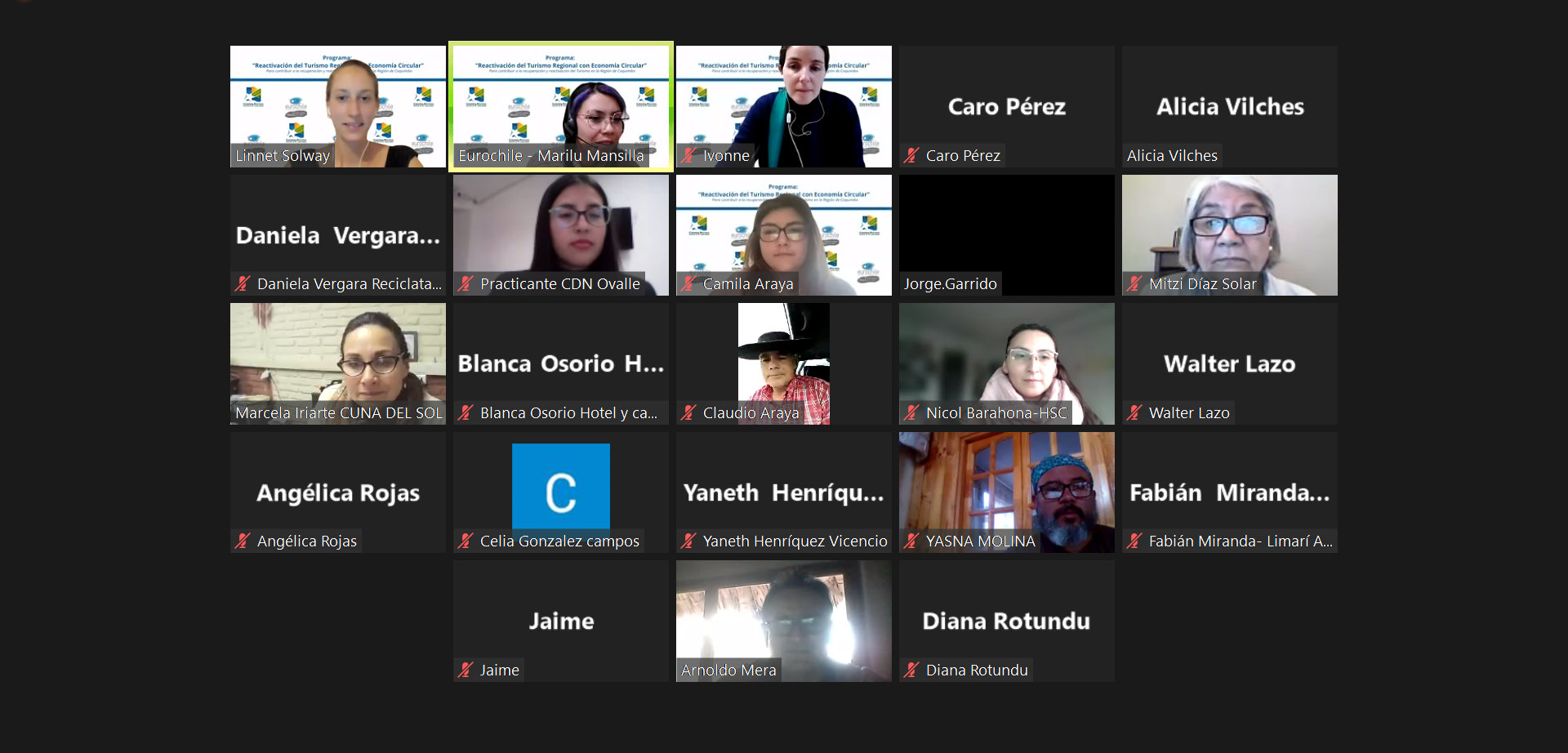
On 23 August, in the framework of the programme “Reactivation of Regional Tourism with Circular Economy”, financed by the Regional Government of Coquimbo through the Innovation Fund for Competitiveness (FIC), the first workshop of ten of the Training Plan was held with the aim of disseminating reactivation strategies, sustainable tourism, circular economy applied to tourism and ways of incorporating circular economy in the value chain and adaptation to climate change by tourism companies in the region.

The main objective of this event was to provide practical information on how to incorporate the Circular Economy into tourism businesses. The talk was led by Linnet Solway, a French Circular Economy expert, and was attended by small and medium-sized enterprises as well as agencies from the tourism sector in Coquimbo.

To start this activity, Marilú Mansilla, Project Executive of the Sustainability and Circular Economy area, presented the Eurochile Business Foundation, explaining its main functions, as well as sharing details and progress of the project implemented in the region of Coquimbo, which has a duration of 18 months and is expected to benefit 200 MSMEs in the 3 provinces of the region.

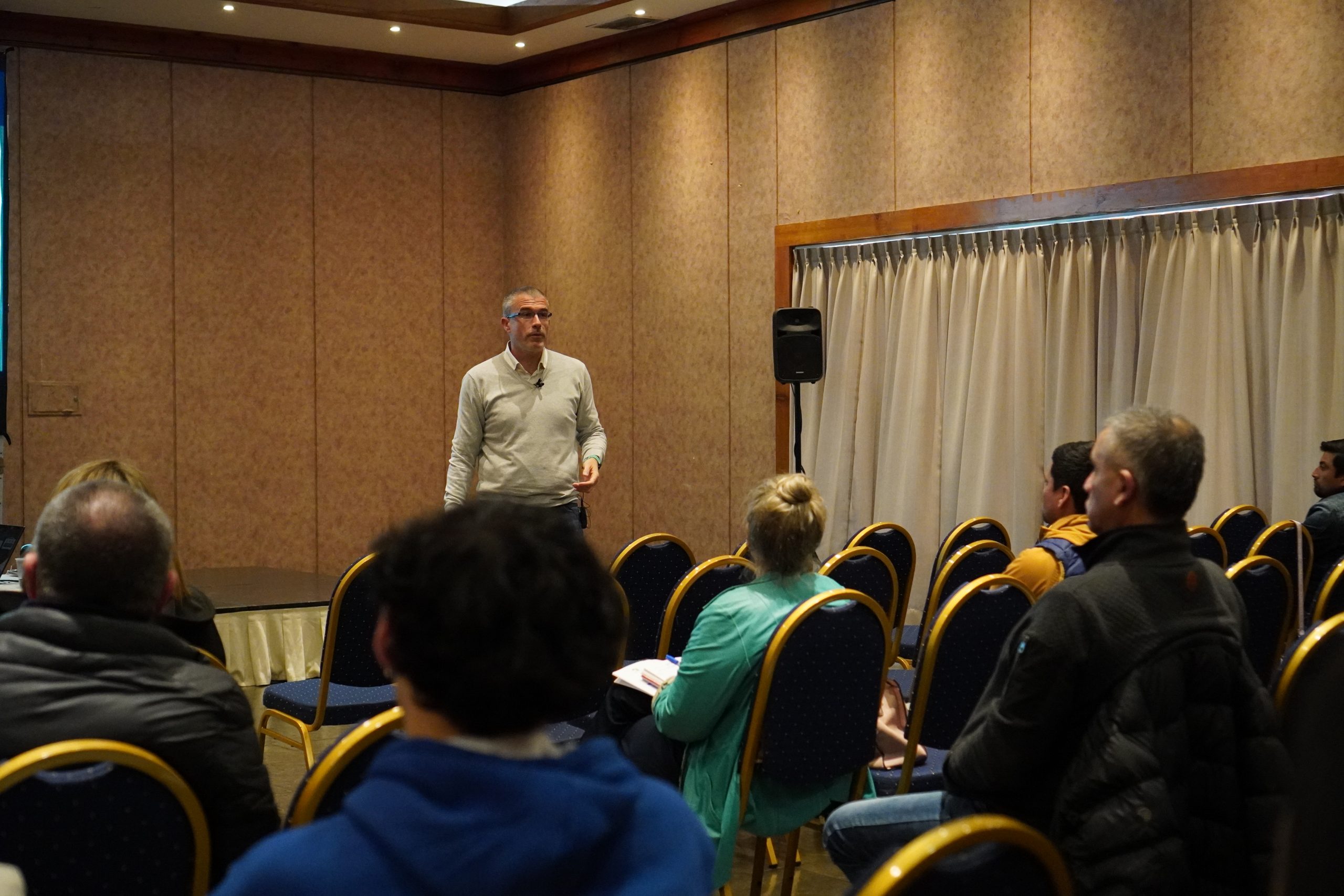
Linnet Solway then began her presentation on the role of Tourism in the Circular Economy and addressed topics such as the benefits of the transition of tourism towards the circular economy, the definition and key concepts of the circular model, as well as giving examples of actions and progress made by both Chilean and European tour operators.

In addition, a group dynamic was carried out that allowed participants to propose circular solutions to reduce environmental impact and to determine which of the 9Rs (Rethink, Reuse, Repair, Restore, Remanufacture, Reduce, Repurpose, Recycle and Recover), which are fundamental to the Circular Economy, could be related to the solution of the problem addressed in the activity. This dynamic encouraged interaction between participants and the exchange of ideas related to their respective sectors.

As part of the activities scheduled in the project, next Wednesday 13 September, the Eurochile Business Foundation will hold the webinar “How to adopt a tourism product to the Circular Economy?” This event will be led by the specialist in tourism and circular economy, Eduardo Martinez, CEO of HIDRIA, Science, Environment and Development. During this session, you will have the opportunity to learn more about the implementation of the Circular Economy in the tourism sector.

The participation of the Eurochile Business Foundation in the World Circular Economy

The World Circular Economy Forum (WCEF) is an international event that brings together leaders and experts from around the world to discuss and promote solutions for moving towards a sustainable circular economy. It facilitates conversations and fosters a broader understanding of how the circular economy can address the root causes of resource overconsumption, pollution, climate change and biodiversity loss.

In this sense, this space has as its main objective the exploration of circular solutions for both the preservation of nature and the strengthening of the economy. Within its approach, it addresses a wide range of issues including finance, health, agriculture, energy, mining, trade and construction.

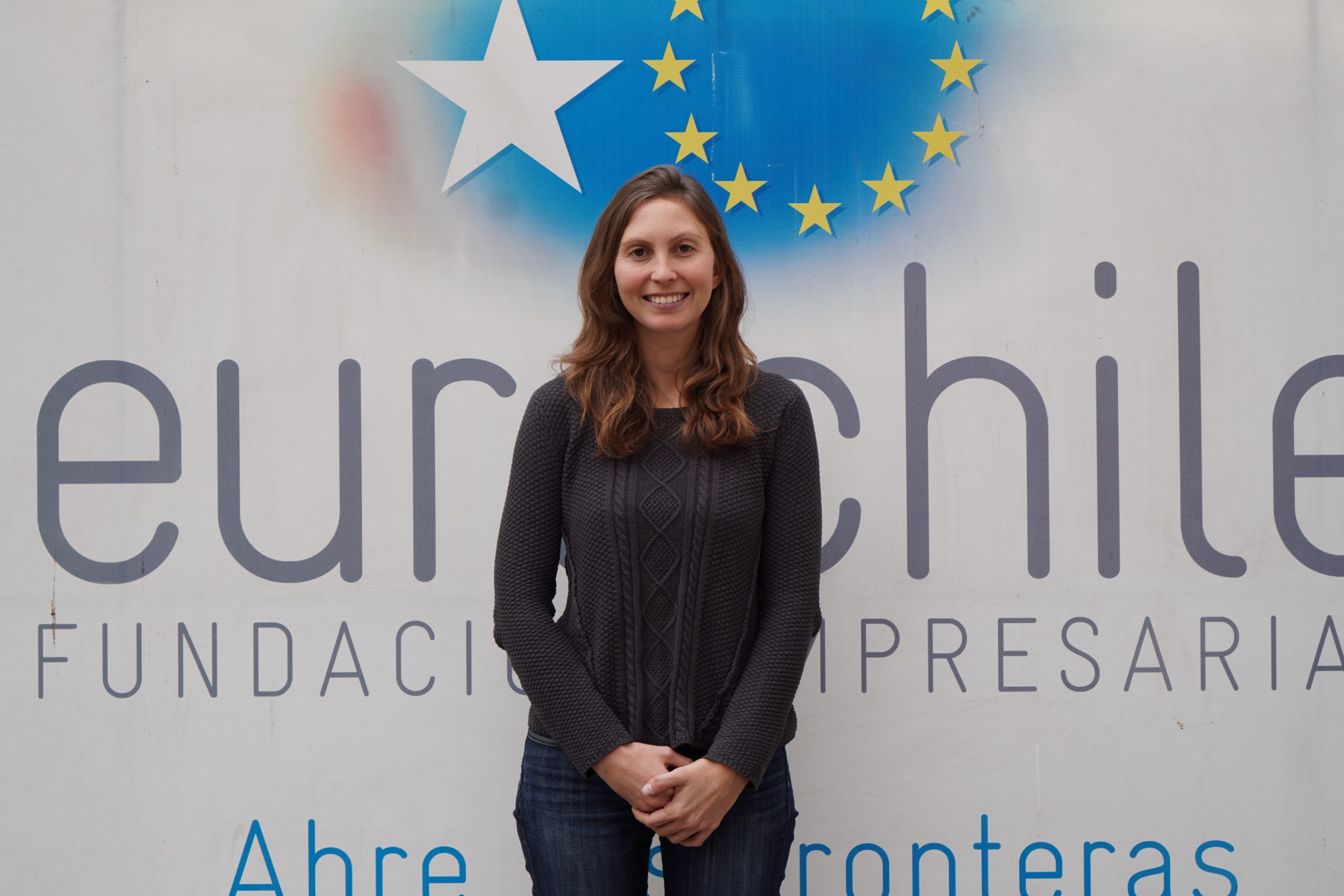
In its 2023 edition, which took place from 30 May to 2 June in Helsinki, Finland. Maud Breyne, head of projects of the Sustainability and Circular Economy Area of the Eurochile Business Foundation, participated in the event and had the task of representing the Foundation and strengthening relations with the companies participating in the forum. She also had the opportunity to learn about the latest innovations in the field and seek opportunities to establish partnerships with organisations that are involved in the issues being addressed by Eurochile with respect to its current programmes.

Among the subjects addressed in this year’s edition, Energy, Mining, Construction and Regenerative Agriculture stood out. In addition, special attention was paid to education and the impact of young people on the circular economy. In order to further develop these topics, a variety of resources were offered, such as talks, panels and stands, in both on-site and virtual formats, to inform and learn more about these issues. Likewise, an exclusive day was set aside for the purpose of promoting the exchange of information and facilitating networking among participants.

During the first day, I was privileged to participate in a series of thematic talks, which addressed a variety of topics, including sustainable construction, green or circular employment, as well as the key role of the global south in the transition to a circular economy, each session offering a unique perspective. On the final day, we had the opportunity to visit a biogas plant. It is important to note that when participating in these initiatives, it is very important to be open to new topics, sectors and concepts, and to mix different disciplines to achieve the challenge of the transition to the circular economy“, says Maud Breyne, project manager of the Sustainability and Circular Economy Area of the Eurochile Business Foundation.

For its 2023 version, the WCEF brought together nearly 1,900 forward-thinking thinkers and entrepreneurs and presented the revolutionary drivers of the circular economy. 155 countries were represented and the main event has more than 12,500 online visits.

In short, Eurochile has stood out for its commitment to the forefront and its focus on circular economy issues, demonstrating a commitment to sustainability and care for the environment. For this reason, its promotion and development of the circular economy in Chile stands out, developing various initiatives in the sectors of agriculture, tourism, construction and waste management.

Opinion Column: The Chilean Fruit Sector and the Circular Economy

Opinion column by Rodrigo Silva Muñoz, Agricultural Engineer, Ph.D in Agricultural Sciences and project manager of the Eurochile Business Foundation.

The Chilean fruit model is a clear example of the successful agricultural and fresh fruit export industry that Chile has developed over the decades. This is due to the fact that it has become a world reference after standing out in terms of quality, product diversification and openness to international markets.

This success is mainly due to five factors that have allowed the development of fruit production in our country: i) the high number of trade agreements; ii) favourable soil and climatic conditions; iii) good plant health conditions; iv) good organisation and coordination of the productive, academic and public sectors; and v) the contrast with the northern hemisphere in fruit production.

Despite this, the Chilean fruit model, being mostly conventional agricultural production based on traditional practices and techniques, is not without its problems. Although it has demonstrated efficiency in large-scale food production, it has also raised debates due to its impacts on the environment, society and health.

This model, being highly intensive in the use of agrochemicals and tillage practices, generates negative externalities, such as soil degradation, water pollution, loss of biodiversity, pest and disease resistance, greenhouse gas emissions and excessive water use, among other externalities that not only harm the health of ecosystems, but also of society, affecting long-term productivity and compromising the sustainability of agricultural territories and their inhabitants.  However, in recent years, there has been a growing awareness of the negative impacts of this conventional agricultural model in terms of health, environmental sustainability and equity, an effect that is being recognised and has taken on great importance by consumers.

As a result, one of the greatest challenges for the national fruit sector is to increase productivity in a sustainable manner, making efficient use of natural resources and contributing positively to the environment and society. In addition to the negative effects of climate change and the need to respond to increasingly demanding consumers who are informed and interested in sustainably produced products and the food production process, fruit producers have to look for new production alternatives and be more efficient in the use of resources.

Currently, producers are making great efforts, adhering to clean production agreements (CPAs), integrating environmental certifications and sustainability policies, but unfortunately this is not enough to change this paradigm. Thus, one response to improve this situation is the circular economy, a model that seeks to minimise the extraction of natural resources, reduce waste generation and promote the reuse, recycling and renewal of materials to create a more sustainable system. Applied to agriculture, known as “circular farming”, it transforms the way food is produced, distributed and consumed, and stands out for minimising waste and maximising efficiency in the use of resources.

Circular agriculture” aims to improve food security, promote soil and water health, and strengthen resilience to extreme weather events. This circular approach, in which fewer resources are used, food is produced more efficiently and waste is generated and reused, contributes to closing nutrient and material cycles. To achieve this, various practices should be adopted in the production process, such as Regenerative Agriculture and Soil Conservation practices, Recycling and Reuse of Materials, the use of Renewable Energy and Energy Efficiency Strategies, among others.

Circular farming, in turn, also highlights the importance of preserving biodiversity through agricultural practices that encourage crop diversity and the conservation of natural habitats in production areas. In this context, circular farming promotes the restitution of nutrients to the soil through composting, manure application and crop rotation. These practices not only reduce dependence on chemical fertilisers, but also significantly improve soil health.

Ultimately, the incorporation of circular economy principles by domestic fruit producers will provide them with the opportunity to achieve more sustainable production, reducing their waste and minimising their environmental impact. In doing so, the sector can aim to become more environmentally and economically resilient and improve its position in the increasingly demanding global food market. However, this task is not an easy road for fruit producers to travel alone. To make this transition successful, the support of both the public sector and academia is key to achieving this goal, through the creation of support programmes for producers who decide to move towards a more circular agriculture.

Currently, Rodrigo Silva, Agronomist Engineer, Ph.D in Agricultural Sciences and project manager of the Sustainability and Circular Economy Area of the Eurochile Business Foundation, is leading the project “Chilean-European Alliance for the green transition in MSMEs of the Chilean fruit sector and their Business Organisations”, in the framework of the AL-INVEST Verde programme, which aims to help small and medium-sized enterprises to adopt sustainable and circular practices in their agri-food systems.

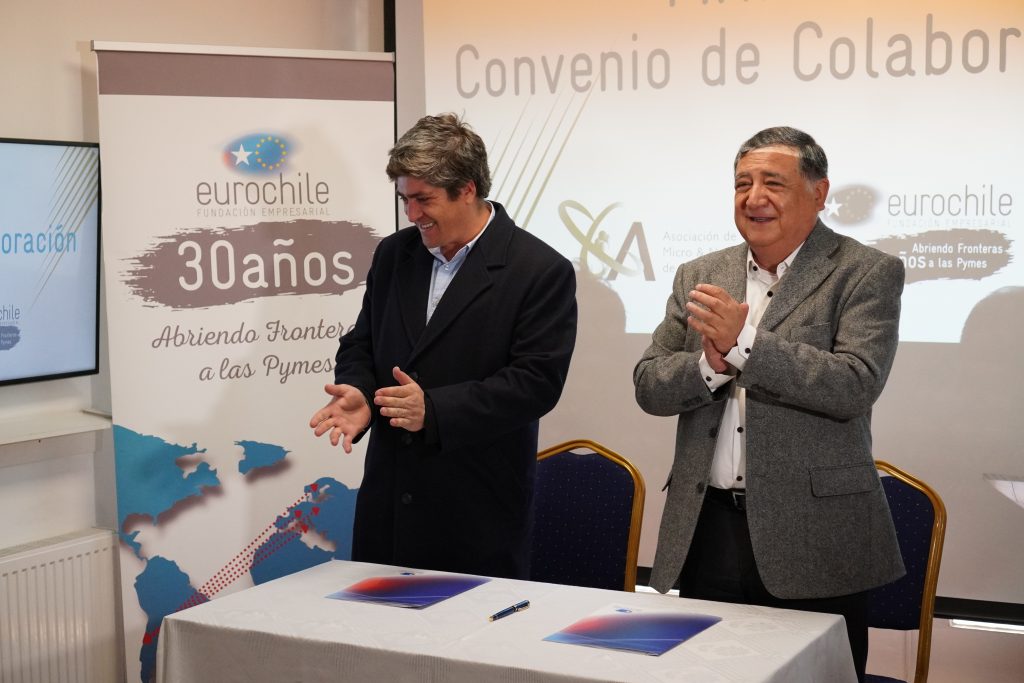
Eurochile Business Foundation and the Chilean Micro and Nanotechnology Association sign agreement to promote technology projects in Chile and Europe

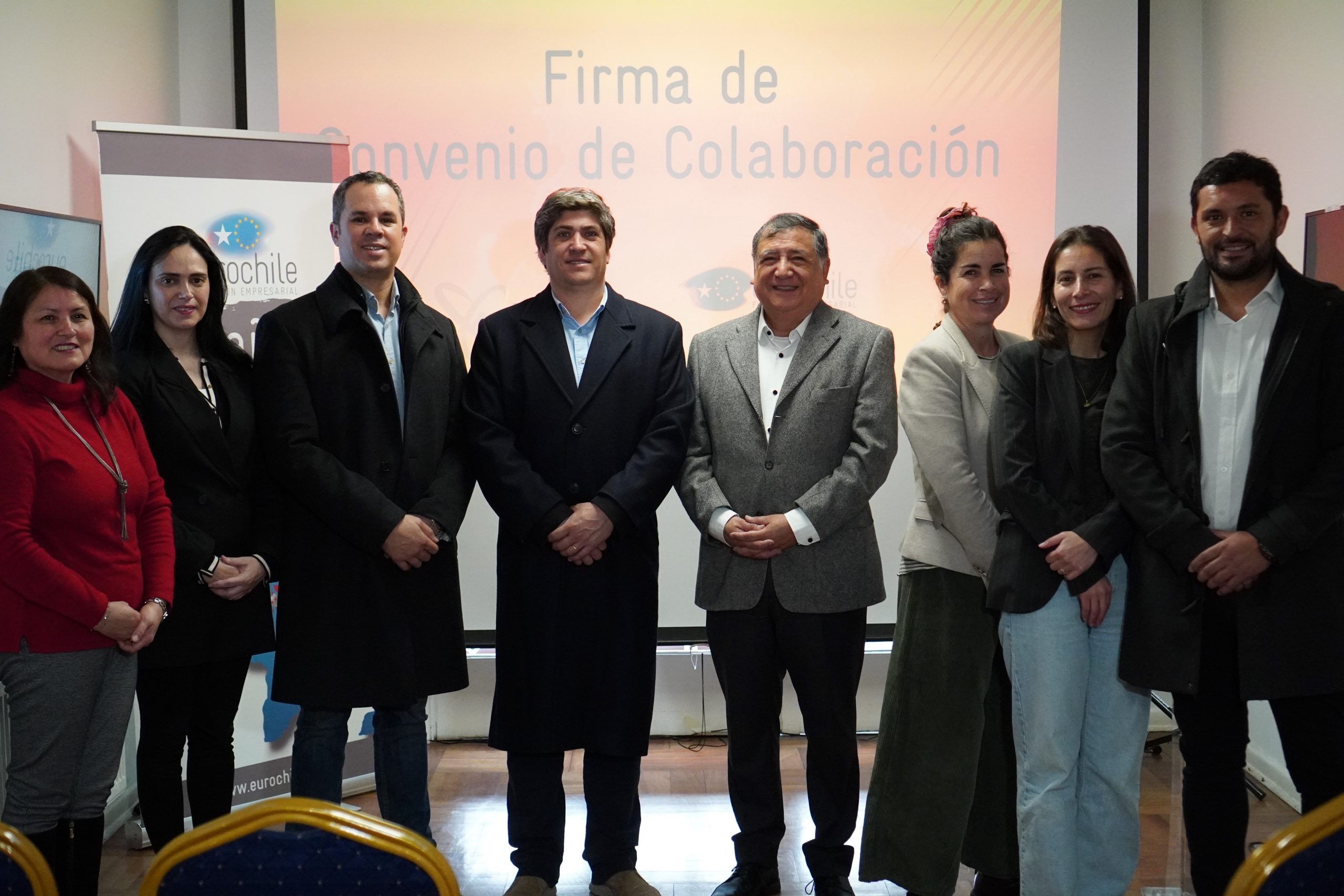
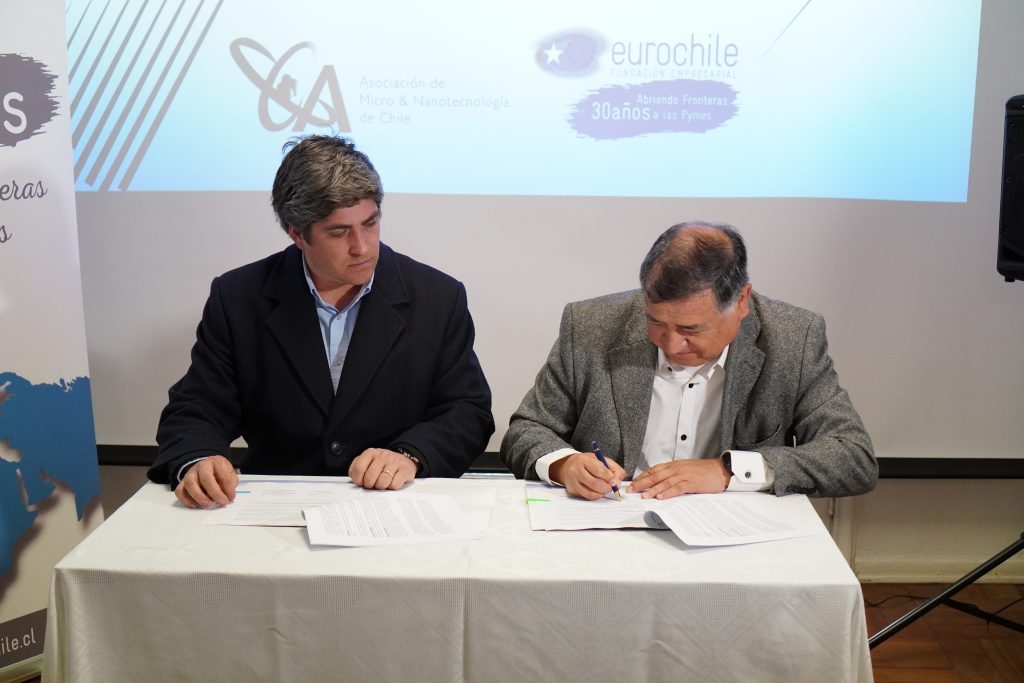
On Thursday 17 August, the Eurochile Business Foundation, a non-profit organisation that promotes economic, commercial and technological cooperation between Chile and the European Union, together with the Association of Micro and Nanotechnology of Chile (AMNCH), an entity that brings together the micro and nanotechnology industry, with the aim of promoting and disseminating the national industry; both institutions met to formalise a collaborative agreement between them.

During the day, we had the participation of Sebastián Cardoen, president of the Association of Micro and Nanotechnology in Chile and José Aravena, executive director of the Eurochile Business Foundation, who acted as representatives of their respective organisations to carry out the signing of this agreement.

This strategic alliance provides an opportunity for both entities to collaborate and carry out a series of projects that will set new standards in the field of technology, with the aim of exploring new markets, boosting development and promoting innovation. In addition, it is important to highlight the existence of the Enterprise Europe Network, a network that promotes business cooperation at European level and facilitates the search for partners to carry out new projects. This network is exclusive to the Eurochile Foundation, and will become a fundamental resource for exploring new opportunities and joint lines of work with Europe.

For Eurochile the field of nanotechnology is not new; in previous years, the foundation carried out a project called “Development of Nanosciences and Nanotechnologies, New Materials and Production Technologies in Latin American Countries”, which lasted two years, with the purpose of approaching nanotechnology and advanced materials from an international perspective. This project sought to facilitate greater access to information and regulations in force in different countries, the main objective of which was to develop joint activities between European and Latin American institutions, with a focus on strengthening research and training potential. This was intended as a means to achieve the mission of being able to implement nanotechnologies in areas of great social challenge in Latin America, such as energy, water and health.

In short, the signing of this collaboration between the two organisations marks a significant milestone, since this strategic alliance not only opens the doors for the creation and development of new technological projects in Chile, but also takes advantage of the resources and benefits provided by Eurochile to make a leap forward in technological and economic progress in Chile and Europe.
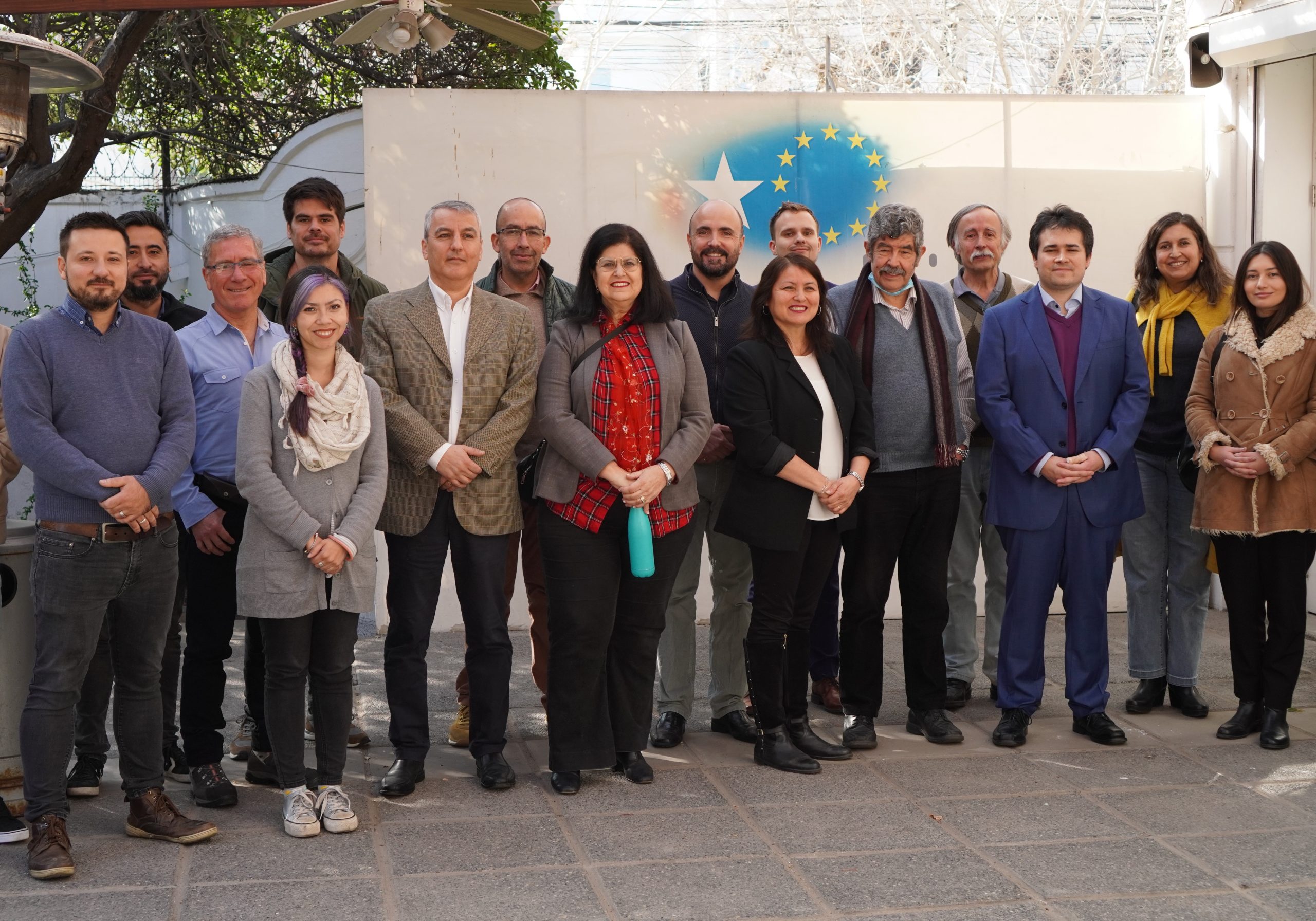
Information day at Eurochile: Crea y Valida – ZIM, a programme to promote international collaboration in Research & Development

On Tuesday August 8th, in the premises of the Business Centre of the Eurochile Business Foundation, the launch of the programme “Crea y Valida – ZIM” took place, a call for proposals that in the collaborative framework between Corfo and the Ministry of Economy and Climate Action of the Federal Republic of Germany was carried out to support R&D&I Collaborative Projects between Chilean and German companies.

During the day, Nina Morales, Director of Institutional Affairs and Business Cooperation, opened the event by introducing the Eurochile Foundation, highlighting its mission, its 30 years of experience, the impulse it has, through its networks and platforms, for the generation of bilateral trade and that the connection between Europe and Chile through Eurochile is an example of how international cooperation can be an engine of development and prosperity. Subsequently, Sergio Maureira, Deputy Executive Director of Sustainable Innovation Corfo, took the floor, who introduced the responsibilities and functions offered by Corfo, emphasising the projects that are currently under development for the benefit of companies. Likewise, Cristian Casanueva, Corfo’s Sustainable Innovation executive, presented the programme, its different phases and established the bases for participation, reminding that the deadline for registration is 15 September.

The purpose of this initiative is to support the development of new or improved products (goods or services) and/or processes requiring research and development (R&D). This assistance ranges from the prototype stage to technical validation on a productive and/or commercial scale, in order to strengthen the innovative capabilities of enterprises. With a special focus on small and medium-sized enterprises, this first joint call for proposals is designed for companies seeking to obtain funding for their innovation projects. It also aims to promote new opportunities for business collaboration between Chile and Germany.

To be eligible to participate in the programme, Chilean SMEs must apply via the CORFO website. The grant covers up to 220 million chilean pesos (€250,000) of the total project costs. In that sense, the percentage of co-financing covered varies depending on the beneficiary’s annual sales revenue and the size of the companies: 40% for large, 60% for medium-sized and 80% for small companies. In addition, there is an increase of up to 10% more co-financing for “Women-led enterprises”.

In this sense, one of the results expected to be achieved through this programme is the strengthening of innovation capacities in companies. This translates into the presentation of proposals that enable the effective introduction to the market of a product (good or service), defined and tested, and/or a proposal for the productive implementation of the process, executed and new or improved products (goods or services) and/or processes, which require R&D, developed.

AL-INVEST Verde Construction: Eurecat and Eurochile Business Foundation lead webinar to promote the Circular Economy in the sector

The launch of the project “Articulation and development of sustainable business models led by MSMEs for the construction sector” of the AL-INVEST Verde programme, an initiative led by the Technological Centre of Catalonia, Eurecat, and co-executed by Eurochile, was held last May and thus began the various activities committed to in the project, whose duration is 24 months and which will benefit companies in the Metropolitan and Los Lagos regions.

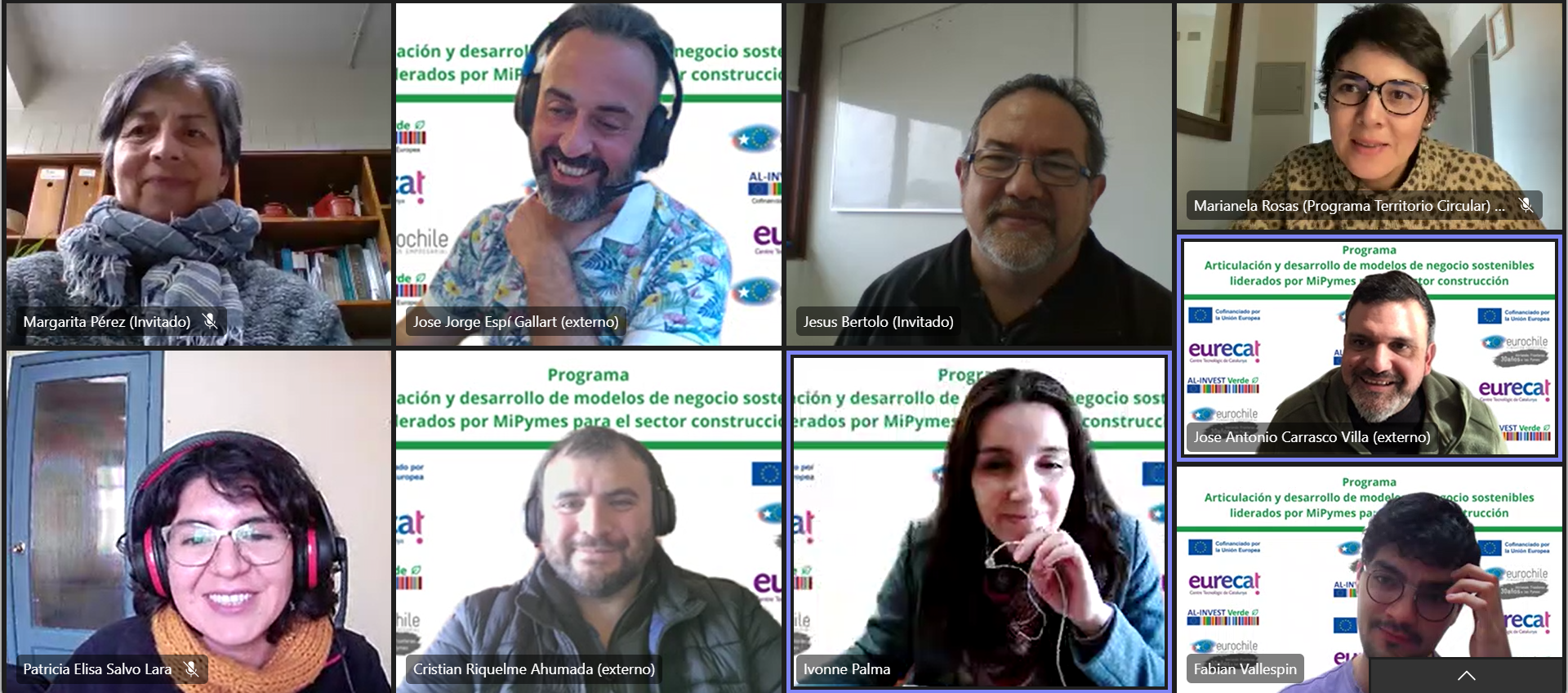
In this regard, the webinar “Consultative round: Action plans for the implementation of the circular economy in the construction sector” was held on 25 July. This virtual event brought together representatives of associations, guilds, research centres and public bodies from the Los Lagos Region.

This activity was attended by Cristian Riquelme, advanced researcher; Jose Espí, head of the Sustainable Impact Line, both representatives of Eurecat, and Ivonne Palma, director of the Sustainability and Circular Economy area of the Eurochile Business Foundation.

The event started with Riquelme presenting the project that aims to benefit small and medium-sized enterprises and business organisations in the construction sector so that they can develop sustainable business models, learn about European experiences on the production of sustainable materials, efficient consumption, waste management and the use of secondary raw materials.

On the other hand, Ivonne Palma presented the functions of Eurochile and the benefits that can be offered to SMEs in the sector. She also presented a preview of the results obtained from the baseline form, a tool used to assess the level of the project participants.

Afterwards, Jose Espí, moderated the activity, giving attendees the opportunity to collaborate and share different perspectives. During the meeting, it was possible to identify strengths, opportunities, weaknesses and threats present in the construction sector when moving towards a sustainable and circular system.

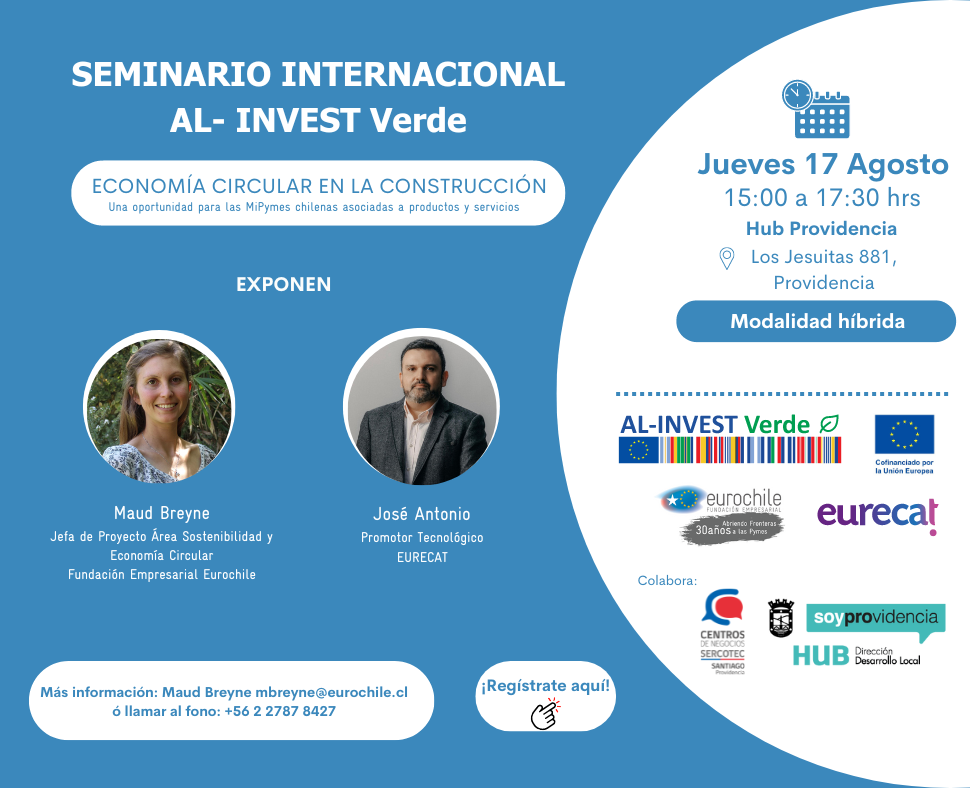
In the framework of the activities programmed in the project, on 17 August, Eurecat and Eurochile, in collaboration with Hub Providencia and the Business Centre Sercotec Santiago/Providencia, will hold the international seminar “AL-INVEST Verde Construction”. During this event, topics related to sustainability and circular economy in the construction sector will be addressed, and there will be the possibility to participate in the project that aims to promote new solutions between companies in the construction sector and those that propose sustainable approaches.

AL- INVEST Verde Agri-food: Experts and stakeholders from Italy and Chile connect to exchange information at Promos Italia and Eurochile Business Foundation workshop

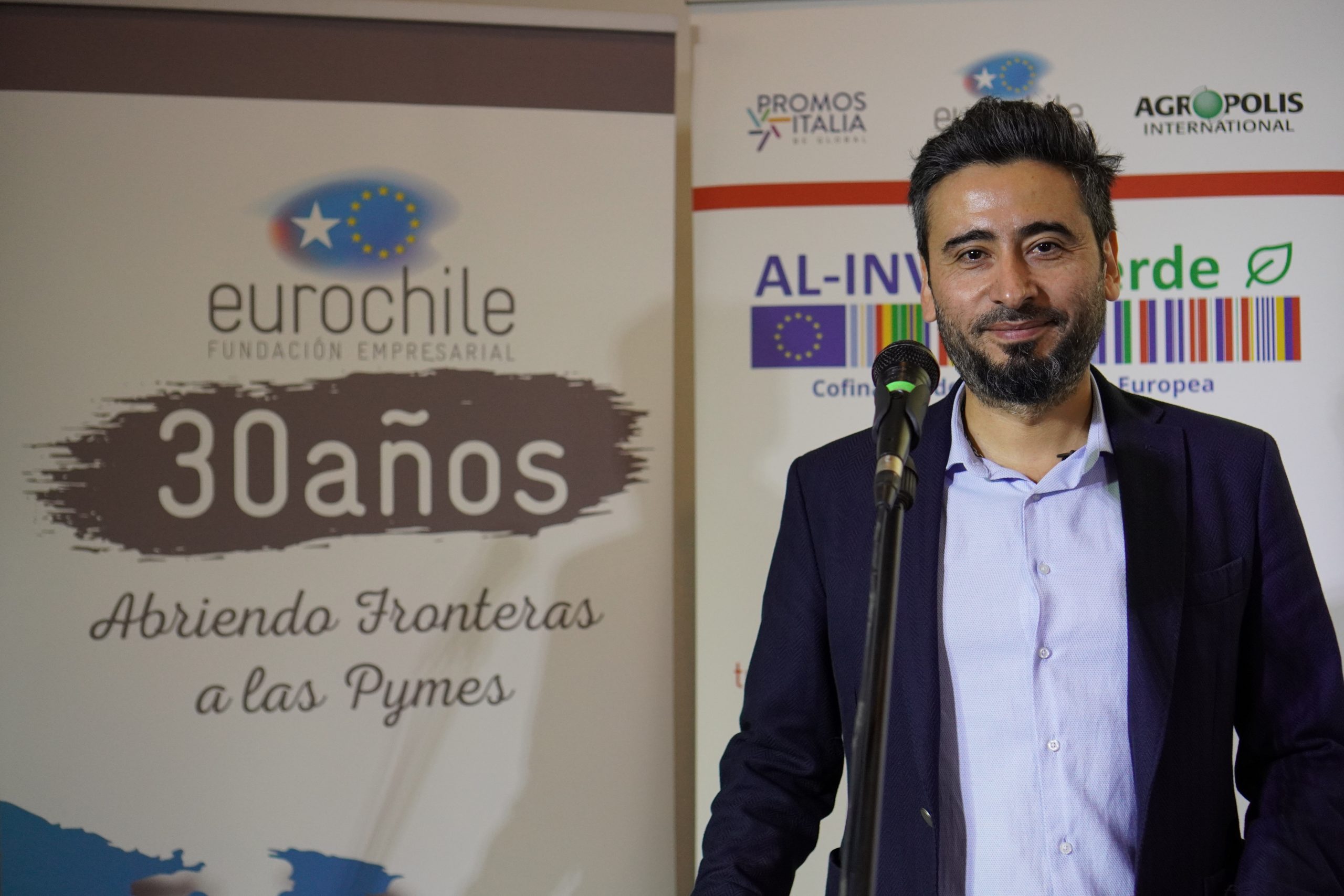
In May of this year, to commemorate the 30th anniversary of the Eurochile Business Foundation, the AL-INVEST Verde programme was launched. Eurochile, together with its European partners Promos of Italy and Agropolis International of France, are implementing the project “Chilean-European Alliance for the green transition in MSMEs in the Chilean fruit sector and their Business Organisations“, which aims to help small and medium-sized enterprises to adopt sustainable and circular practices in their agri-food systems.

Eurochile’s Sustainability and Circular Economy team is responsible for its implementation and has been responsible for carrying out multiple activities and workshops aimed at MSMEs and business organisations in the Chilean agricultural sector, initiatives that have been developed in the regions of O`Higgins, Biobío and Los Lagos.

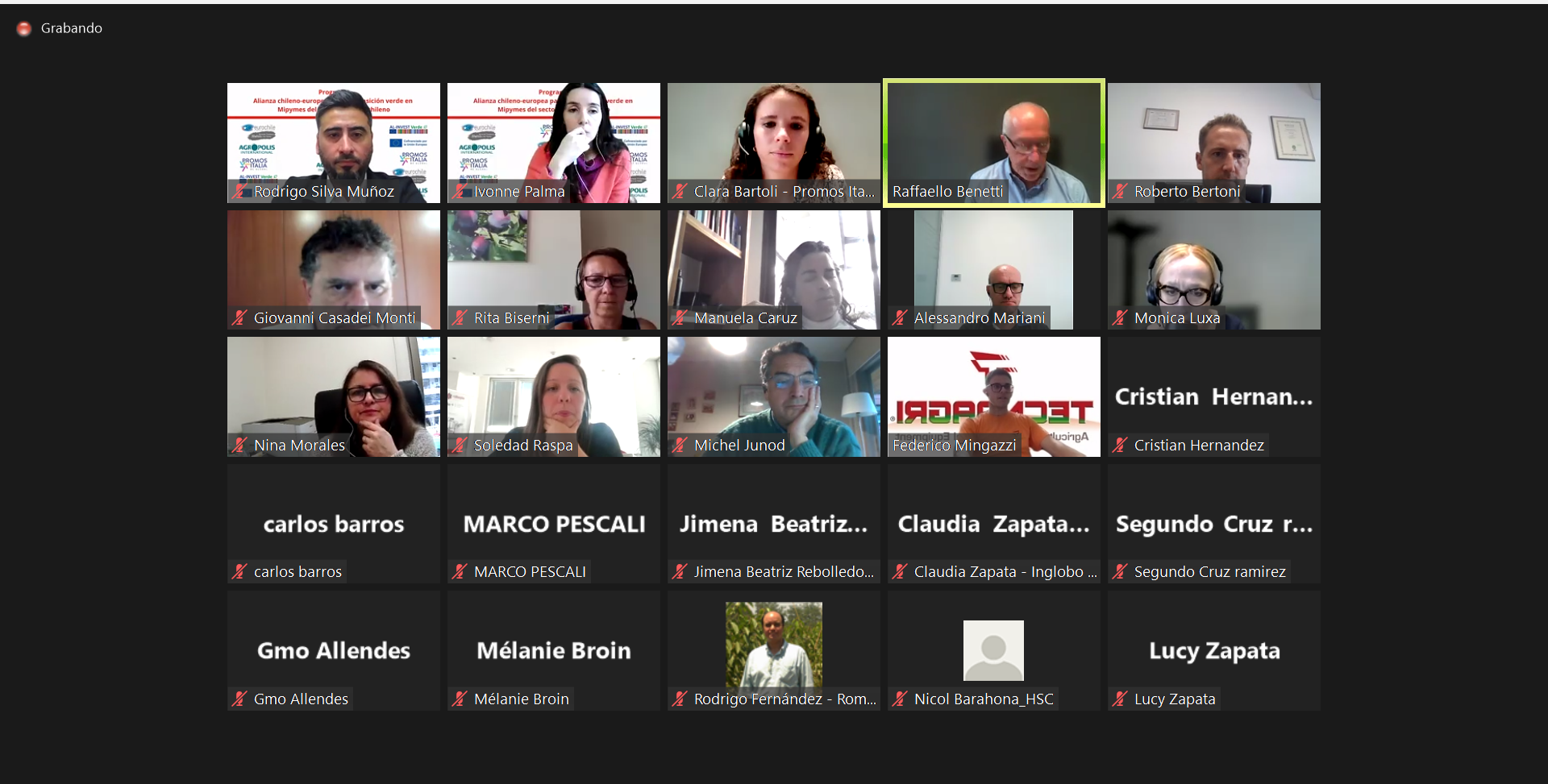
In this regard, the webinar “Italian agri-food green technologies for the Chilean market” was held on 20 July, an event organised by Promos Italia, aimed at MSMEs in the fruit sector and their business organisations with the objective of moving towards more sustainable and circular agri-food systems.

During the event, which brought together Chilean and European experts and production companies, Ivonne Palma and Rodrigo Silva, both representatives of the area of Sustainability and Circular Economy of Eurochile, presented their work. Ivonne, director of the area, presented the main functions of the Eurochile Business Foundation, as well as the services of the Enterprise Europe Network and the business rounds in which the Foundation participates.

On the other hand, Rodrigo, project manager, presented the progress of the programme, the current parameters of Chile regarding agriculture, and the benefits of moving towards a circular economy, as well as adhering to a more sustainable and environmentally friendly system. In addition, European companies had the opportunity to share with their Chilean counterparts, presenting the work of each of them and exploring the possibility of generating synergies and establishing connections between both parties.

Among the participating Italian companies are Tecnoagri, specialised in technologies for fruit growing; Bertoni Greentech, dedicated to sustainable spraying; Infia packaging, noted for ensuring the circular economy and sustainability in the sector; Alegra responsible for direct experience in production and Roboqbo, focused on the processing of products.

On the other hand, they also presented their Chilean counterparts, such as the Association Gremial Agrololol A.G., from the commune of Lolol, O’Higgins Region, the Cooperative of cherry producers, CERECOOP, from Los Lagos Region and the Blueberry Producers of the Clean Production Agreement of Los Ángeles, Biobío Region, who are part of a Blueberry Committee of ASOEX, Chilean Exporters Association.

In this way, the face-to-face and virtual activities that have been developed based on the programme have allowed the main actors to participate and internalise this initiative, share and exchange information with their European counterparts and, at the same time, have the help of experts to guide and train them on the benefits of the transition to a more circular model in the Chilean fruit sector.

To relive the event, we invite you to watch the following video:

Enterprise Europe Network and its 15 years of success: Eurochile Business Foundation, the only partner in Chile supporting internationalisation

The Enterprise Europe Network (EEN) is the world’s largest virtual network supporting SMEs, created by the European Commission. It was established in February 2008, merging two networks created in 1987 and 1995, a commercial network called Euro Info Centres and a technological network called Innovation Relay Center. In Eurochile these two networks already existed, so Eurochile was the pioneer in Chile and Latin America to have access to the new Enterprise Europe Network.  Initially, only the 27 countries of the European Union had access to the EEN, but over time, this network, which is promoted by the Directorate General for Enterprise and Industry of the European Commission, began to spread to other countries and continents. Currently, the EEN is made up of more than 600 organisations in over 60 countries and the partners are of different types: chambers of commerce, research centres, universities and other institutions that provide business support services.

The Enterprise Europe Network was primarily a response to the need of SMEs to diversify their markets, broaden the spectrum of research and development, create their own networks, obtain information on markets and their regulations, receive assistance and information on European programmes and generate more dynamism between parties in different countries.

The Enterprise Europe Network is a transversal network reaching across all sectors and its main objective is to help companies to seize opportunities in the European and global market. It offers specialised services in areas such as innovation, internationalisation, business cooperation and access to finance. Among its main services are advice and support to companies in accessing international markets.

The network promotes business cooperation at European level and facilitates the search for partners to develop new projects or access new markets. The network connects, supports and facilitates internationalisation processes through: business rounds, connections with Europe, profile uploading, internships, search for experts, alliances, technological, commercial and knowledge transfers, participation in consortia for European projects, webinars, among others.  It also provides access to European Union programmes, advising on programmes aimed at supporting innovation, growth and internationalisation of companies.

It also promotes technology transfer between companies and research centres, supporting collaboration on innovation projects and trends. In short, the Enterprise Europe Network offers a set of services and advice to enhance the growth and development of companies in the European and global market.

On the other hand, in its role as a partner in Chile, the Eurochile Business Foundation coordinates expert visits, has contacts in Europe, prepares agendas for participation in international fairs, organises business missions to Europe, promotes profiles in the network, and carries out mentoring and matchmaking events.

This collaboration has allowed us to empower our region’s companies and take them to new horizons in Europe. Being part of this network has provided us with a unique platform to connect entrepreneurs and companies with unprecedented commercial, technological and business cooperation opportunities. Over the years, we have worked hard to strengthen this alliance, and for this reason, we reaffirm our commitment to strengthening collaboration, boosting technology transfer and opening new horizons for our companies“, says Nina Morales, Director of Institutional Affairs and Business Cooperation at the Eurochile Foundation.

In short, the Enterprise Europe Network is an essential resource for companies looking to expand in Europe, explore new markets, develop innovative products, establish project collaborations or find business partners, and its services are available to all types of companies. The network provides up-to-date information on key topics and organises events and training activities to foster business growth.