English

Entrepreneurs from Eurochile’s Circular Economy Working Group gain new skills in Circular Economy with the help of Circular Change

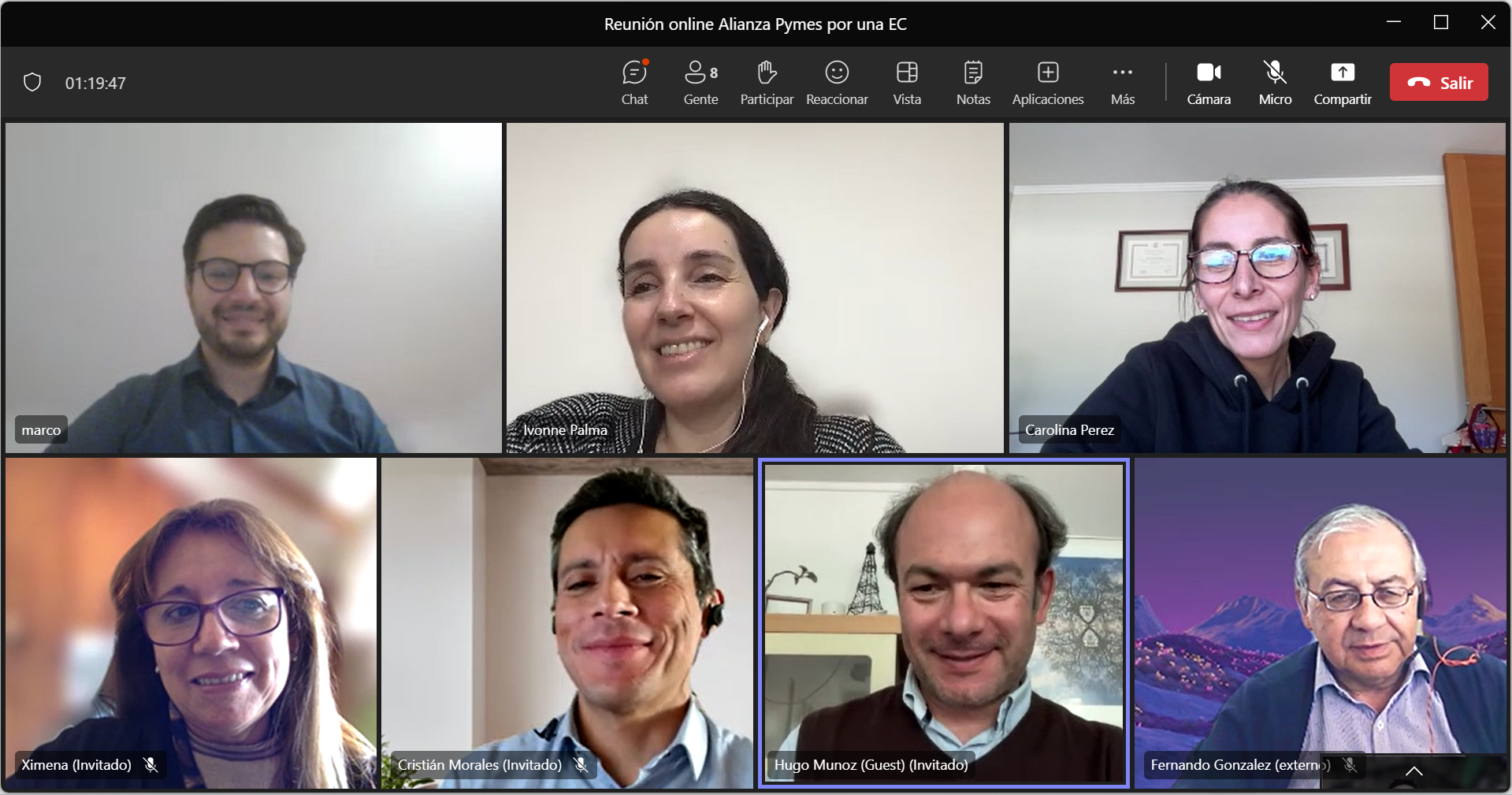
On 18 October, during the monthly meeting of the Circular Economy Working Group of the Eurochile Business Foundation, a workshop was led by Marco Segovia, project manager of Circular Change, a non-profit organisation based in Slovenia that supports companies in the transition to a circular economy. In addition, this organisation was part of the development of the Roadmap for a Circular Chile 2040 as an external European consultant and currently has a collaboration agreement with Eurochile.

Present on this day were Ivonne Palma, director of the Sustainability and Circular Economy area of the Eurochile Business Foundation; Hugo Muñoz from Ecología en Tu Barrio; Ximena Guerra from INDUNEXT; Cristian Morales from Espyral; Karina Gómez from Nido, and Fernando González and Roberto Ravanales from ICP Ingeniería.

During the meeting, Marco Segovia presented the different functions of the organisation, whose main objective is to promote the circular economy and work on the transition towards a more sustainable economic model. In addition, Circular Change organises events and conferences, known as the “Circular Change Conference”, where it brings together experts, business leaders and policy makers to discuss strategies and solutions. The organisation has held more than two thousand talks at European and international level.

Circular Change also develops in different areas of work, such as: Research and Development, where it conducts research and analysis in the field of circular economy to identify specific opportunities and challenges in different sectors; Collaboration and Networking, facilitating collaboration between different stakeholders; Advice and Consultancy, providing guidance to businesses and governments looking to implement circular economy strategies; Circular Economy Strategy Development, helping organisations implement strategies such as optimising resource use, sustainable product design and waste management; and Education and Training, offering programmes to develop skills and understanding of circular economy issues.

At the meeting, the entrepreneurs had the opportunity to learn about the different initiatives carried out by this organisation in relation to the circular economy and the benefits of joining this new model that promotes sustainability and circularity. These benefits are reflected in the mappings and roadmaps, as well as in the conferences they have organised at regional and global level.

Opinion Column: MSMEs in the Construction Sector: Key Actors and Challenges for the Transition to the Circular Economy

Opinion column by Maud Breyne, project manager in the area of Sustainability and Circular Economy at the Eurochile Business Foundation.

The Circular Economy in Chile is a concept in vogue with a recent but important momentum. One of its drivers is the Roadmap for a Circular Chile by 2040, published in 2021 by the Ministry of Environment. In this process, the Eurochile Business Foundation participated in collaboration with Eurochile professionals, public and private sector actors, as well as national and European experts. Together, they defined the main guidelines to turn Chile into a country with a circular approach by 2040.

This document provides guidelines to advance the transition from a linear economy to a circular economy and has axes of innovation, regulation, territories and culture. To this end, it establishes medium and long-term goals and addresses several economic sectors. One of them is the construction sector, which has an important strategic focus, as it contributes 7.1% of GDP and 8% of jobs to the country.

The urban population is expected to continue to grow and the global building stock is expected to double between 2020 and 2060 (Architecture 2030, 2020, Why the building sector?). To cope with this demand, the building industry must adapt and transform.

One of the sector’s responses has been the development of sectoral circular economy strategies and roadmaps, thanks to the “Construye 2025” programme promoted by CORFO. We highlight the Roadmap 2022-2025, and the RCD Roadmap 2035. The first has a horizon with 3 strategic axes (industrialisation, sustainability and digital transformation). The second focuses on Construction and Demolition Waste (CDW).

Despite this, the sector is not free of obstacles. Recurrent problems include illegal waste disposal, non-compliance with health regulations and the lack of specialised infrastructure for proper waste management.

The sector is 98% made up of Micro, Small and Medium-sized Enterprises (MSMEs), which generate 81% of jobs, according to the Internal Revenue Service (SII). This makes MSMEs key in leading the sector’s transition to the circular economy. In addition to being numerous, they have the advantage of having a greater capacity for adaptability and innovation than larger companies. However, MSMEs offering sustainable products and services face resistance to change and a lack of opportunities to make their products visible to relevant actors in the value chain. A survey of more than 100 MSMEs revealed that the majority regret the lack of financial and regulatory incentives that benefit MSMEs.

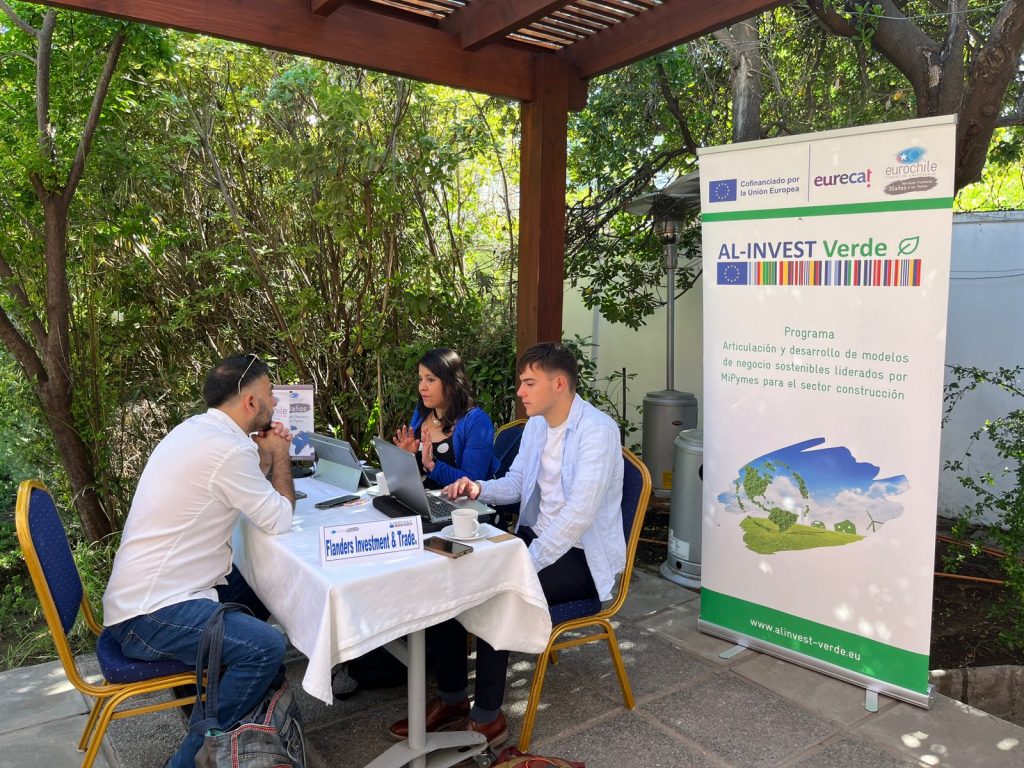
In view of this situation, and in order to face this challenge, our AL-INVEST Verde Construction project “Articulation and development of sustainable business models led by MSMEs for the construction sector” was created. With funding from the European Union, it seeks to strengthen the linking of MSMEs that offer sustainable products and connect them with actors with this type of demand. It also seeks to promote, train and disseminate circular economy concepts to move the sector forward.

On the other hand, Europe is at the forefront of promoting the circular economy globally, especially in the construction sector. Whether through the initiatives of its institutions, companies or academia, we can benefit from their valuable experience. In this context, the AL-INVEST Verde Construction project, which is co-executed by the Eurochile Business Foundation and led by Eurecat, the Technology Centre of Catalonia, aligns perfectly with Eurochile’s mission, which seeks to establish links between Chile and the European Union.

With more than 30 years of experience in the work of being the link between small and medium-sized enterprises (SMEs) in Chile and Europe, the Eurochile Business Foundation continues firmly in its mission to contribute to the development of the country. In its eagerness to incorporate current issues, we are committed to promoting knowledge and experience in order to boost the circular economy in various sectors, such as construction, the fruit industry, recycling and tourism. These sectors are currently being addressed throughout Chile, with a special focus on supporting MSMEs.

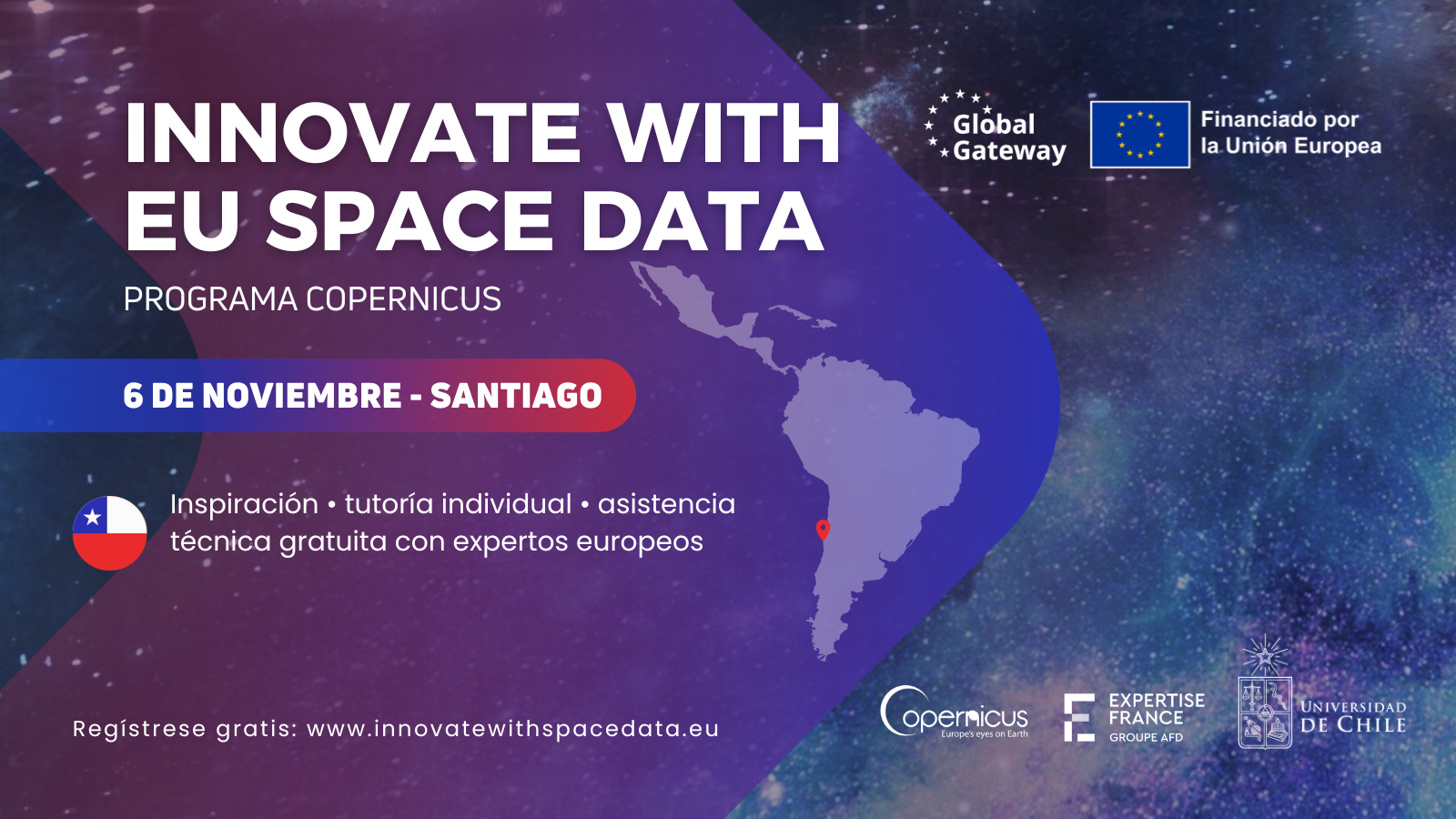
Innovate with EU Space Data: Exploring the Business Opportunities of Copernicus

The European Union’s Earth Observation Programme, known as Copernicus, is a flagship initiative of the European Commission in collaboration with the European Space Agency (ESA). Its main objective is to observe the environment in order to better understand the environmental changes occurring on Earth and, in this way, contribute to the protection of the ecosystem, health and safety of citizens.

Copernicus uses vast amounts of global data collected by satellites and measurement systems on land, air and sea. It provides valuable information to service providers, public administrations and other international organisations to improve the quality of life of European citizens. All information services provided by Copernicus are freely and openly accessible to its users.

In the specific case of Chile, this initiative gives Chilean citizens and companies the opportunity to access the enormous advantages offered by the programme. This creates a bridge between Chile, the European Union and Copernicus end-users, fostering collaboration and mutual benefit.

In this context, in the framework of the Global Gateway strategy, the European Commission, in collaboration with Expertise France and in partnership with the University of Chile, will hold the event “Innovate with EU Space Data” on 6 November at 09:00 hours at the Beauchef Campus of the University of Chile. The purpose of this event is to promote the benefits of using European Union (EU) Copernicus data for companies in Latin America and the Caribbean (LAC).

The event offers the opportunity to interact with European experts and EU space companies. Real use cases in mining, agriculture and environmental management will be highlighted. The main objective is to raise awareness of the value of Earth observation data for businesses in the region and to support innovation. Representatives from key sectors will be present to highlight the benefits of using spatial data. In addition, free technical support will be provided to 10 selected companies after the event to explore the use of Copernicus data in their operations.

“Innovate with EU Space Data” is part of a series of events organised in the framework of the EU-funded “Digital Knowledge Hub in support of Space and Earth Observation” project, implemented by Expertise France.

With the upcoming establishment of the Copernicus Regional Data Centre in Chile, it will soon be easy to access and use open and reliable Earth observation data. This represents a great opportunity for the private sector in Latin America and the Caribbean to take full advantage and develop new solutions that can meet the constantly evolving markets and current priorities in the region.

This event is held in collaboration with the European Commission-funded “Copernicus in LATAM: from Earth Observation to End Users” conference, which will take place from 7 to 10 November 2023 in Santiago de Chile, hosted by the University of Chile.

Event Details:

Date: 6 November, 09:00 hrs.

Location: Universidad de Chile, Campus Beauchef, Av. Beauchef 850, Santiago.

Register for free: https://www.innovatewithspacedata.eu/es/

For more information, please do not hesitate to contact Carolina Pérez (cperez@eurochile.cl) or Elisa Vadanovici (elisa.vadanovici@expertisefrance.fr).

Successful Eurochile Bilateral Meeting: Chilean SMEs at the Forefront of European Trends

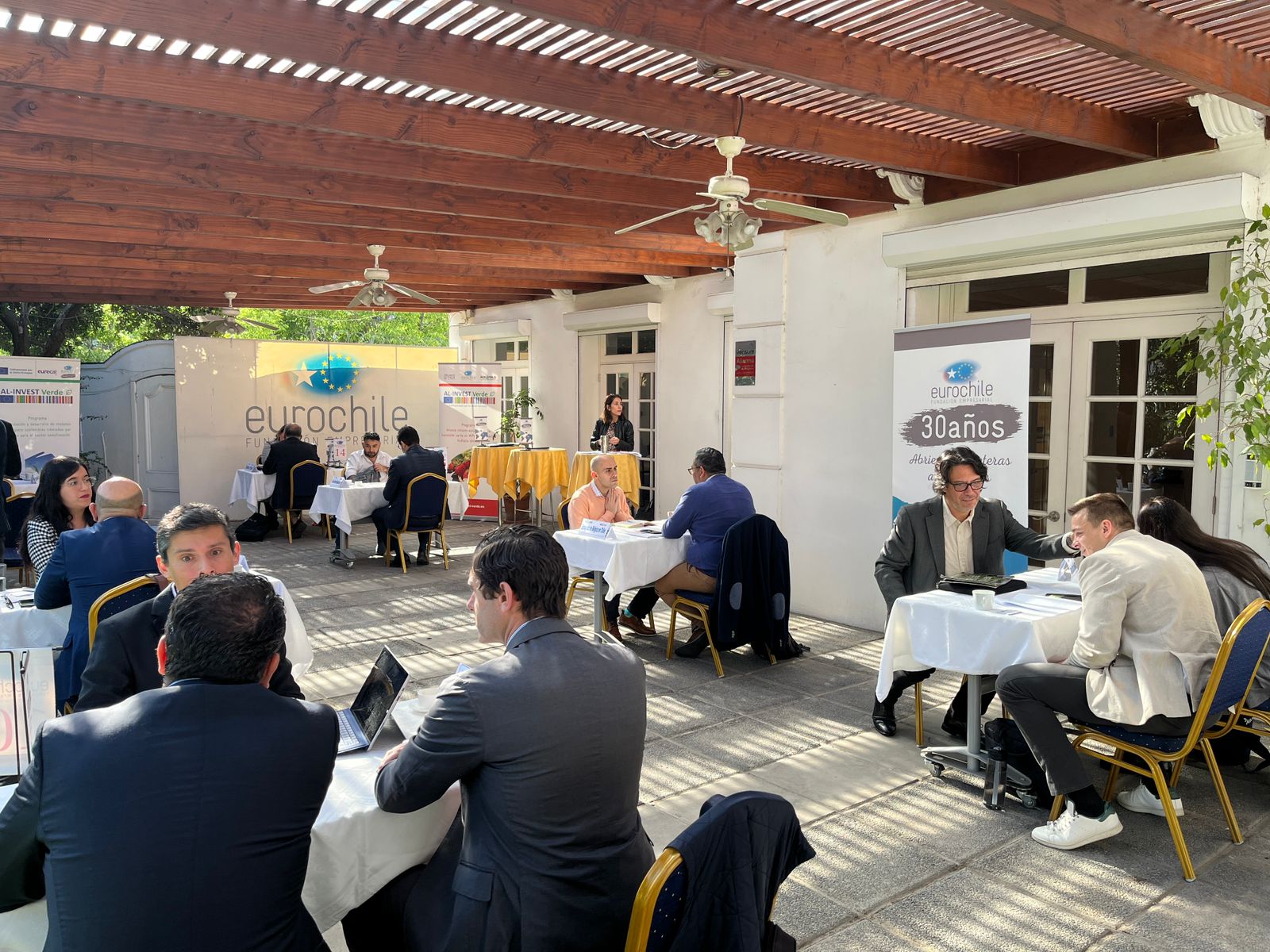
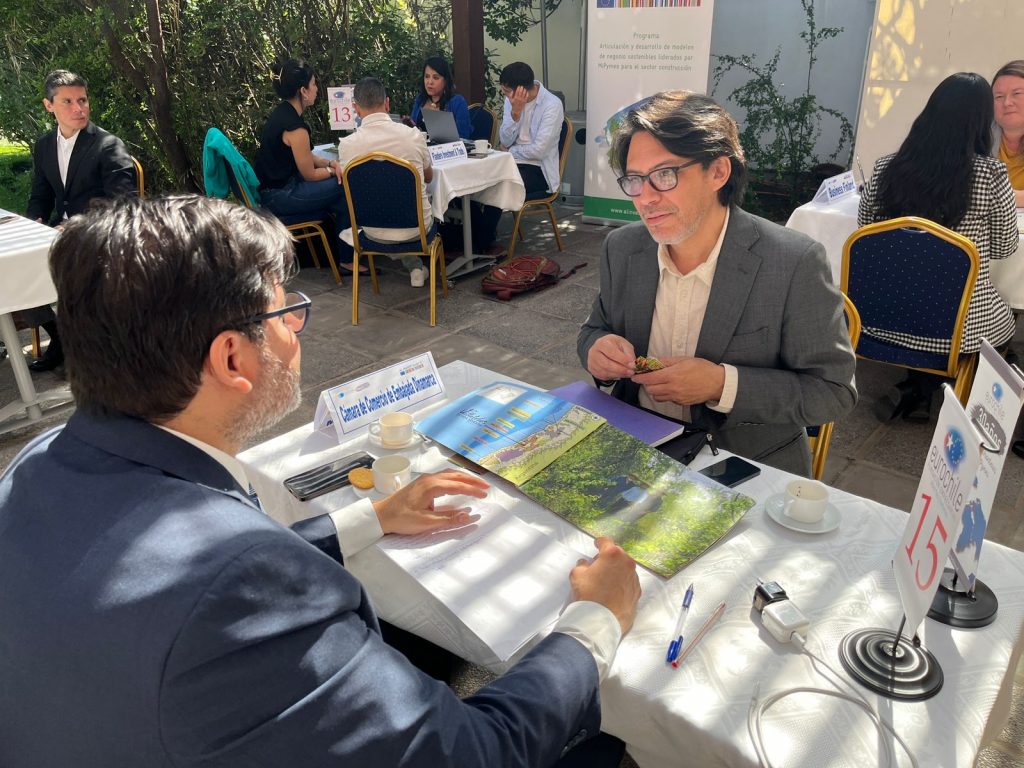
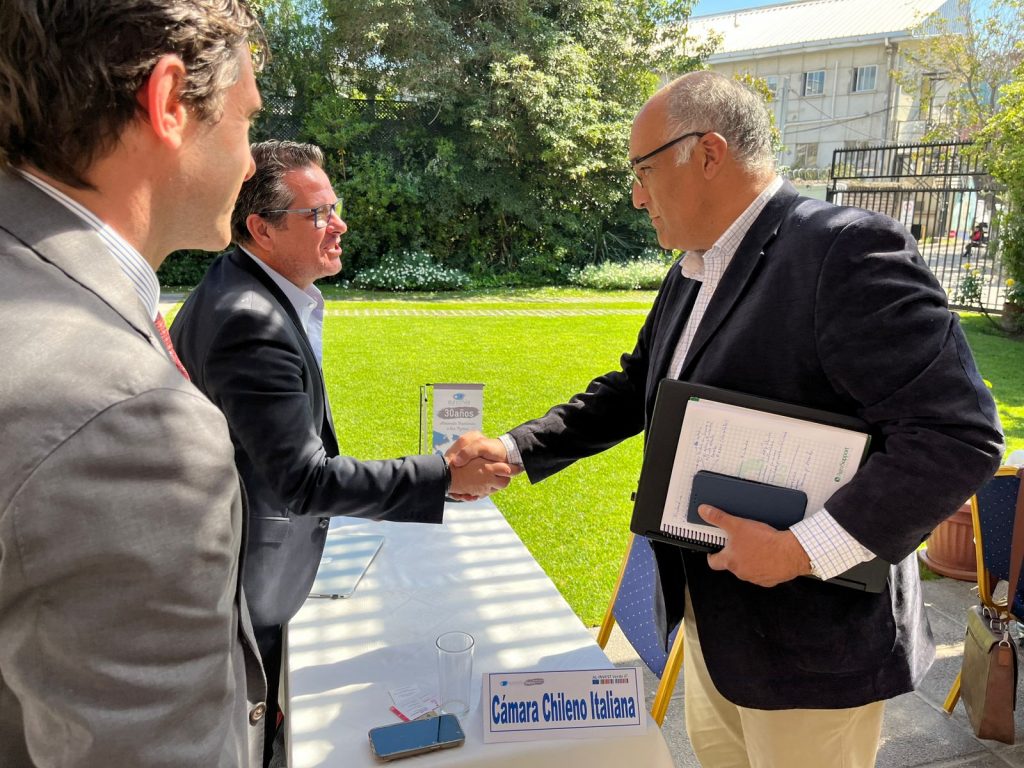
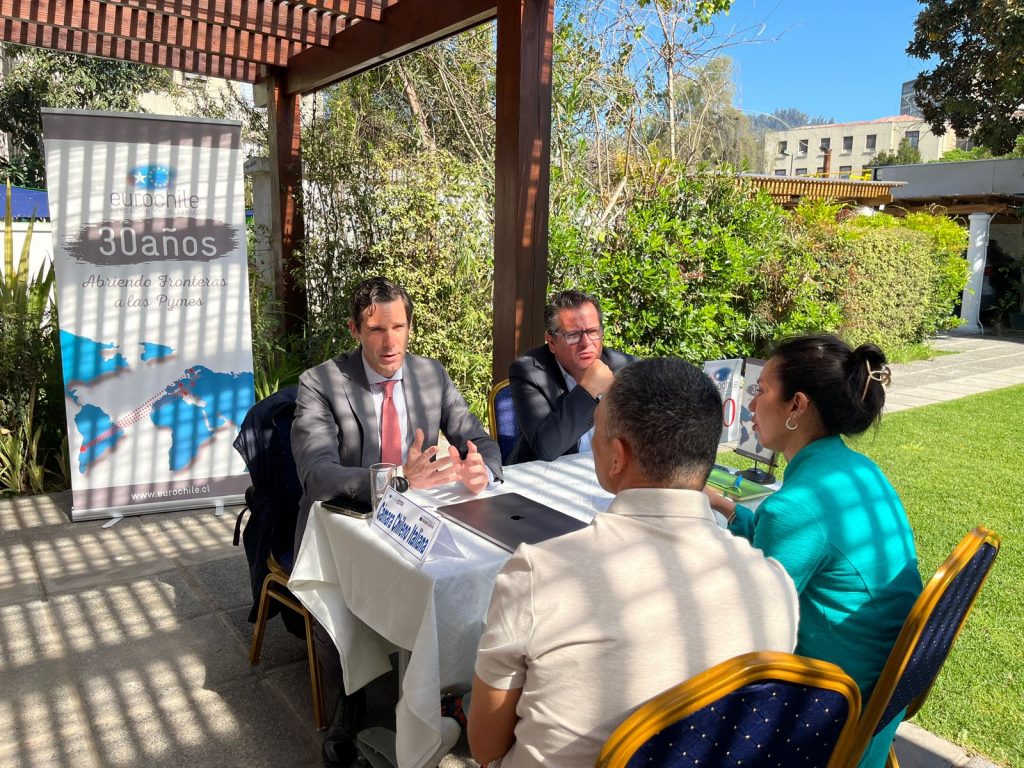
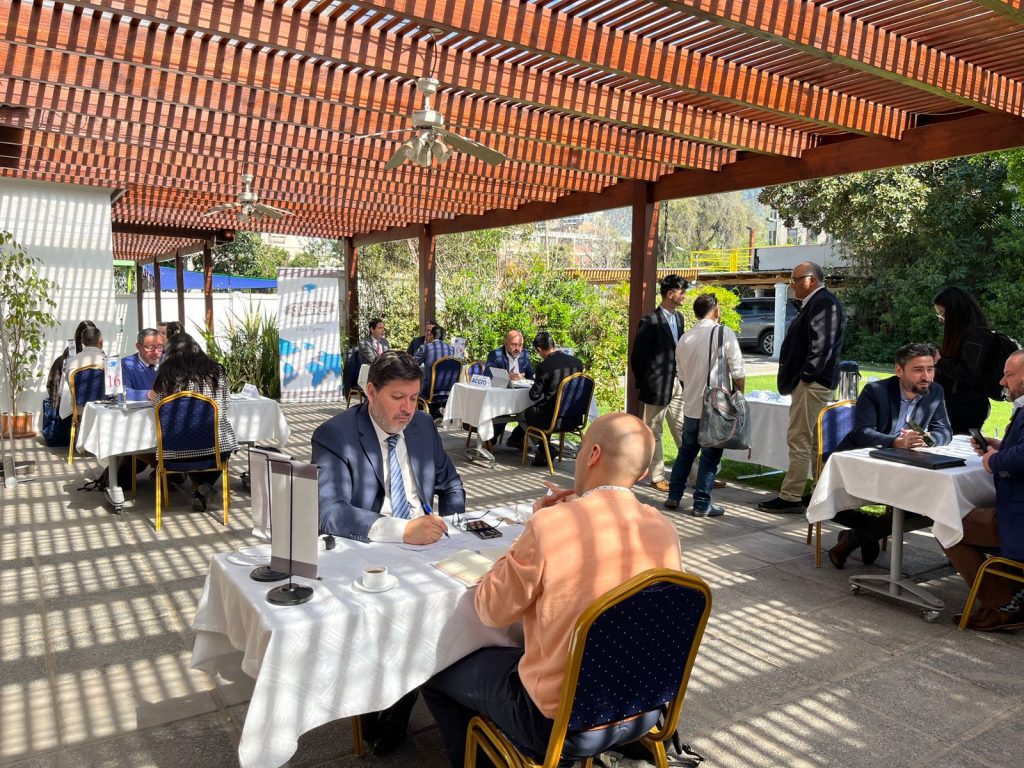
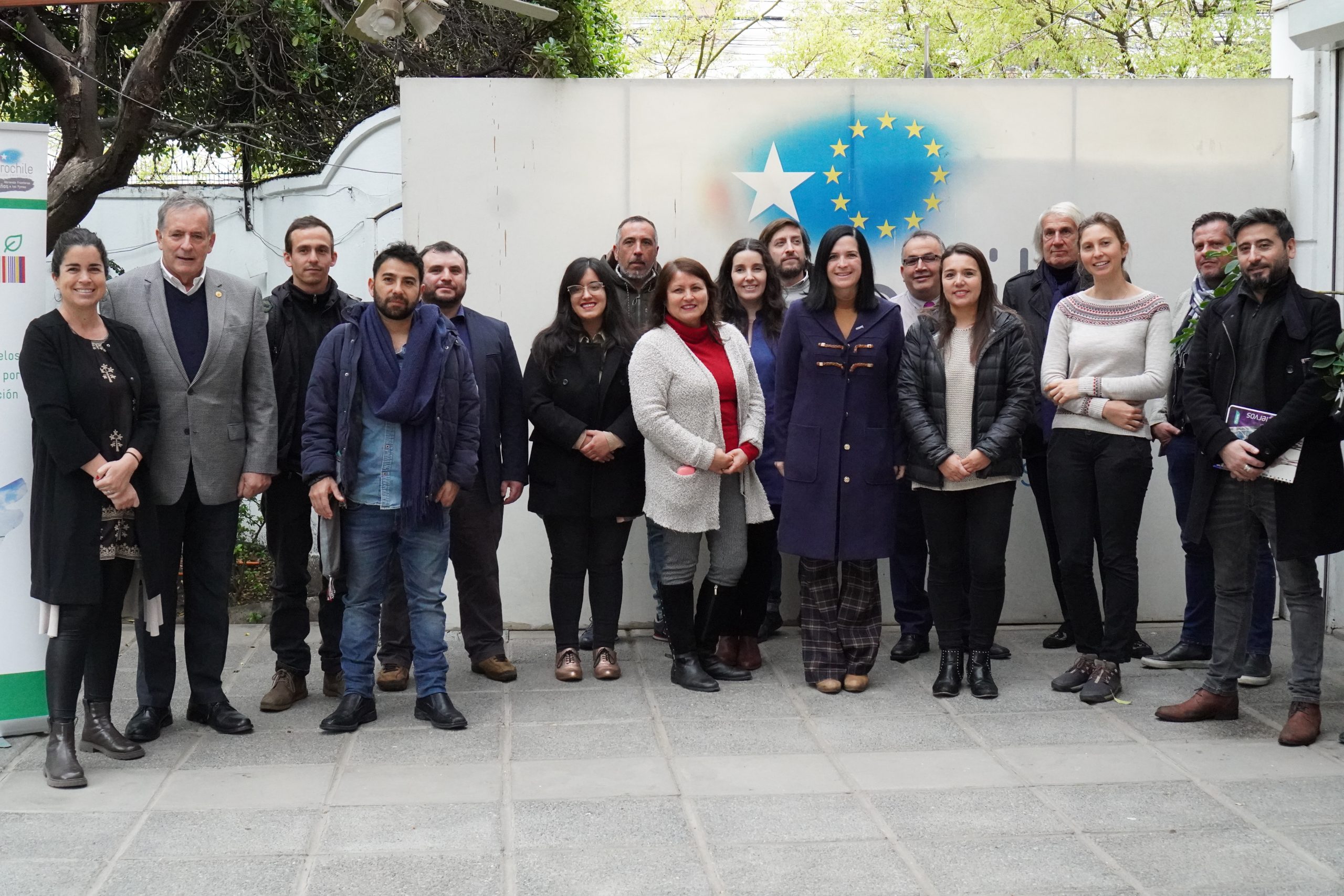
On Tuesday 17 October, the Eurochile Business Foundation held the “Bilateral Meeting with Commercial Attachés of the European Union countries in Chile”. The main objective of this meeting was to provide Chilean small and medium-sized enterprises (SMEs), from all sectors, the opportunity to enter the various European markets, understanding the trends, regulations, certifications and other relevant aspects that influence these markets.

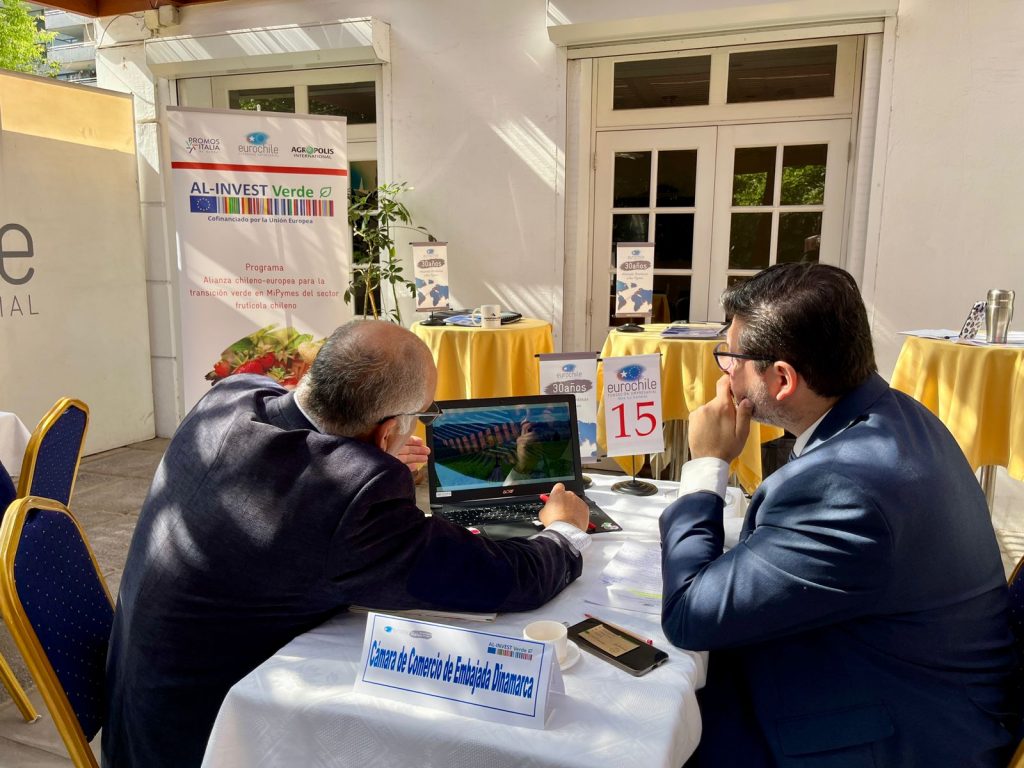
During this meeting, we counted with the participation of the Chilean-German Chamber of Commerce; the Chilean-Italian Chamber; the Embassy of Belgium in Chile; Flanders Investment & Trade; the Agency for Business Competitiveness of Catalonia (ACCIO); the Spanish Chilean Chamber of Commerce (Camacoes); and the Chamber of Commerce of the Embassy of Denmark and Business Finland.

The event was designed to be accessible to the entire national innovation ecosystem interested in acquiring knowledge on European market trends and exploring possibilities for collaboration with Europe. In addition to SMEs, Chilean entrepreneurs, chambers of commerce and representatives of European embassies have joined in a space for networking and collaboration that has resulted in a valuable synergy.

In this regard, Sacha Garefulic, representative of the Danish embassy in Chile, said: “I found this meeting interesting, we have been able to establish contact with Chilean businessmen and entrepreneurs who are looking to approach the Danish industry. We have also identified a great potential and possibilities for Danish companies to offer services, solutions and products to their Chilean counterparts, which could generate opportunities for collaboration. We have observed companies dedicated to sustainability, circular economy and recycling, areas in which we believe there is great potential for Chilean SMEs and the Danish market to work together“.

Likewise, Jorge Reyes, representative of the Belgian embassy in Chile, highlights the importance of these meetings to establish connections with Chilean companies, to which they do not always have access. “This initiative gives us the opportunity to engage in conversations with companies to which we normally do not have access, and the format was ideal, precise and very interesting. I think this is an initiative that should be continued, as it is of the utmost importance for us to be able to maintain this kind of contact with Chilean companies, to whom we will probably be able to offer assistance in the near future“.

The Bilateral Meeting has been a unique platform for the exchange of ideas and the creation of strategic alliances. Participants had the opportunity to learn first-hand about the opportunities that European markets offer and how to adapt their business strategies to make the most of them.

In this sense, Valentina Veloso from Yaku Biofiltro, a startup dedicated to innovation for the circular use of water, highlights the initiative carried out by Eurochile. “It has been a very profitable instance because we have been able to connect with different partners and collaborators to develop our internationalisation model. These alliances are essential for us as a Chilean startup, as we need to establish contact with key people and partners to start our internationalisation process towards Europe, which is the market we are targeting for next year”, says Veloso.

On the other hand, Carla Olguin, Entrepreneurship Advisor of the Sercotec Santiago – Providencia Business Centre, expressed that, “the activity allowed us to generate several links that will help us to look for collaboration opportunities for our current and future entrepreneurs that approach our business centre network“.

In summary, this event reflects the commitment of the Eurochile Business Foundation to strengthen business ties and promote innovation in SMEs, both in Chile and in the European Union, so that they can continue to grow and contribute to mutual development in the future.

Promoting Fruit Sustainability: Eurochile holds workshops in the O’Higgins region as part of the AL-INVEST Verde project

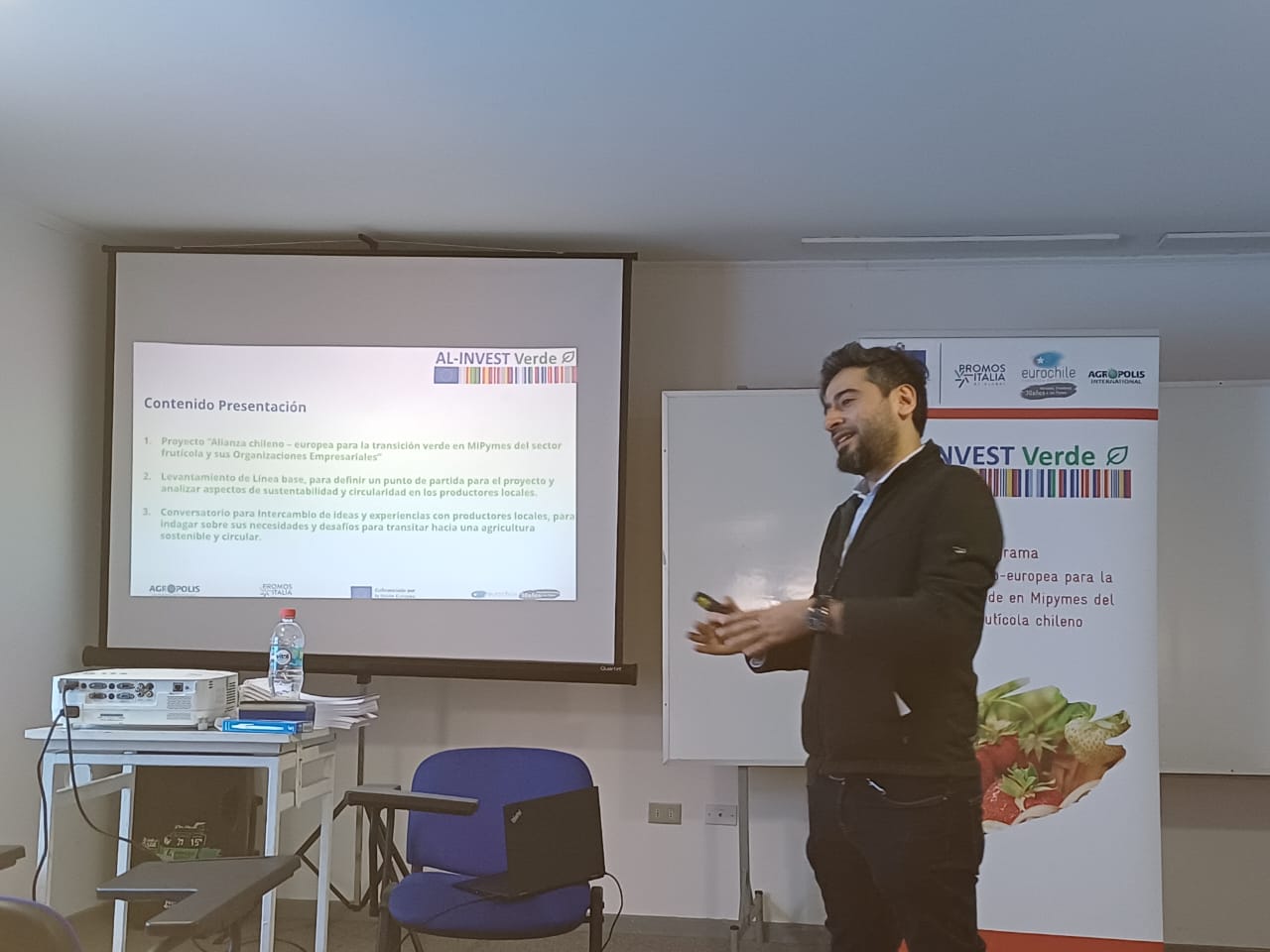
The Eurochile Business Foundation, in collaboration with its European partners Promos from Italy and Agropolis International from France, are implementing the AL-INVEST Verde Fruit programme. This programme, funded by the European Union (EU), has as its main objective to foster sustainable growth and job creation in Latin America. The project, “Chilean-European Alliance for the green transition in MSMEs in the Chilean fruit sector and their Business Organisations”, focuses on helping small and medium-sized enterprises to adopt sustainable and circular practices in their agri-food systems.

The AL-INVEST Verde Fruit programme aims to provide training to groups of small and medium-sized enterprises (SMEs) and their Business Organisations (BOS) in Chile on issues related to the circular economy, sustainable agriculture, as well as current and future sustainability regulations and requirements from markets and consumers.

In this context, on 5 October, the workshop “Opportunities for linkages and business development through the AL-INVEST Verde Fruit Project” was held in the municipalities of San Fernando and El Olivar, located in the O’Higgins region. These workshops had two main objectives: to present the project to new producer groups and at the same time to carry out a baseline survey.

Rodrigo Silva Muñoz, head of projects in the area of Sustainability and Circular Economy at the Eurochile Business Foundation, also explained the challenges faced by fruit producers in moving towards a circular economy. “During the day, we had the opportunity to bring the topic of circular economy and sustainability to practices that they are currently doing but are unaware of. By showing them that what they are doing is aligned with these principles, we noticed a greater interest and appreciation for their work, as producers are giving importance to markets and consumer needs“, Silva says.

In this respect, the lack of information on these cutting-edge issues often leads most fruit producers to associate them with high costs, which restricts their adoption of circular economy practices. This limitation is partly due to the scarcity of programmes that help SMEs to be trained on these issues and to understand the importance of implementing circular systems in order to access European markets.

Although there are various entities providing support, many producers still need the additional assistance offered by Eurochile through its programme, which provides continuous support until producers are able to implement sustainable and circular systems on their land.

In summary, the workshops are part of Activity 1.2 of the AL-INVEST Verde Fruit work plan, which aims to design and establish 200 baselines in groups of MSMEs. The next step involves continuing to work with agricultural producers to forge a partnership in which they can access the training programme and other activities envisaged in the plan.

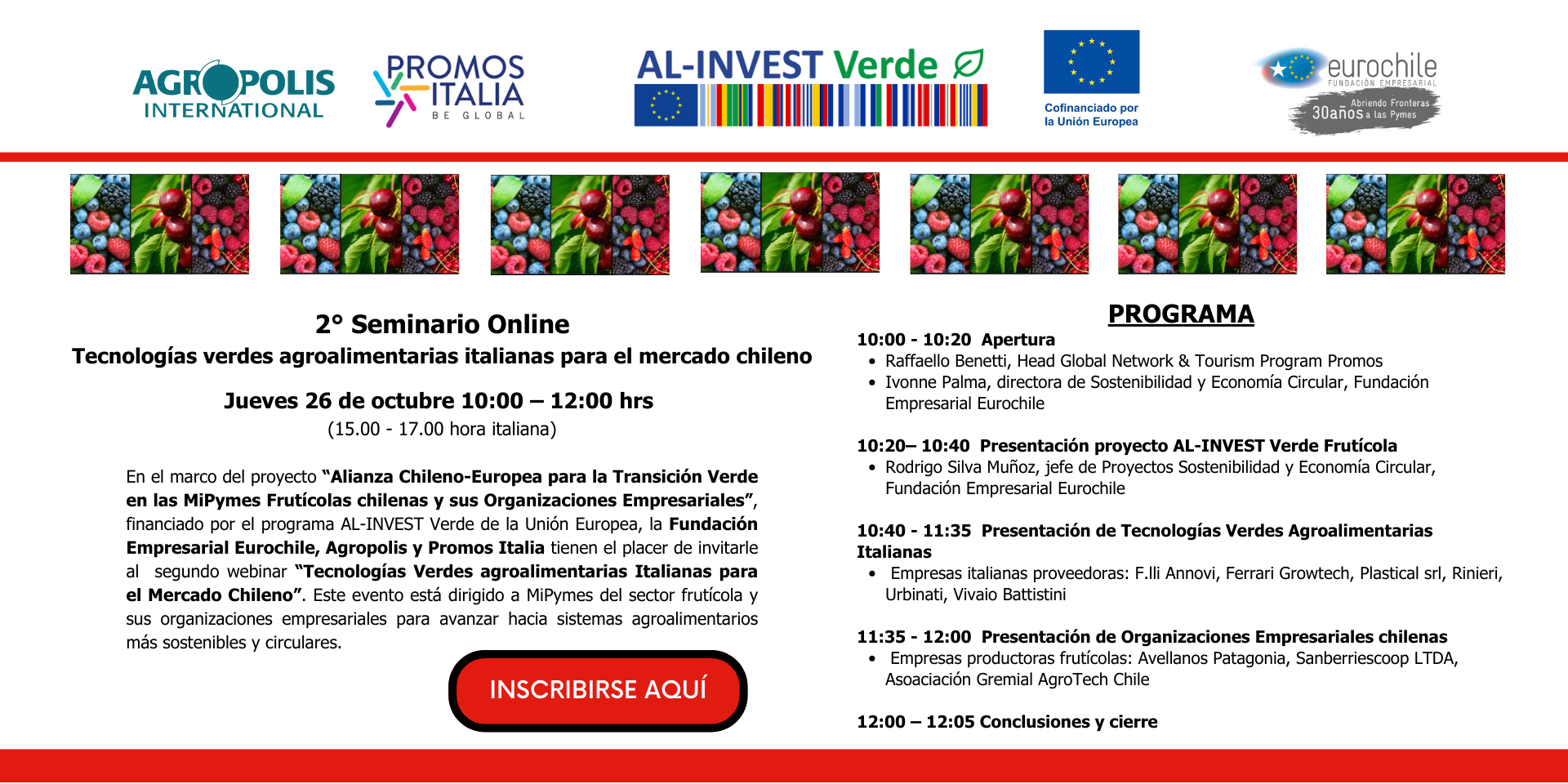
In the framework of the workshops, on 26 October at 10:00 hrs, there will be a workshop on Italian agri-food green technologies for the Chilean market. This event is aimed at MSMEs in the fruit sector and their business organisations to move towards more sustainable and circular agri-food systems.

Meeting with Free Trade Fairs and Local Recyclers: Eurochile Business Foundation Promotes Recycling and Circular Economy Initiative in Osorno

Eurochile Business Foundation is implementing the programme “Strengthening Recycling and Circular Economy in the Province of Osorno”, which has the financial support of the Regional Government of Los Lagos through the National Fund for Regional Development. The objective of the project is to strengthen and improve the associative processes to mitigate the negative environmental impact of inadequate management of organic and inorganic waste from household and industrial activities in the province.

Three main actors are involved in waste management and recycling: citizens, small and medium-sized enterprises (SMEs) and waste managers. For this reason, the Foundation has decided to classify waste into two categories according to its origin: industrial waste and household waste. These two categories share similarities both in terms of their nature and the synergies that can arise between treatment infrastructures, which could generate economic benefits for the actors involved in the management of these types of waste.

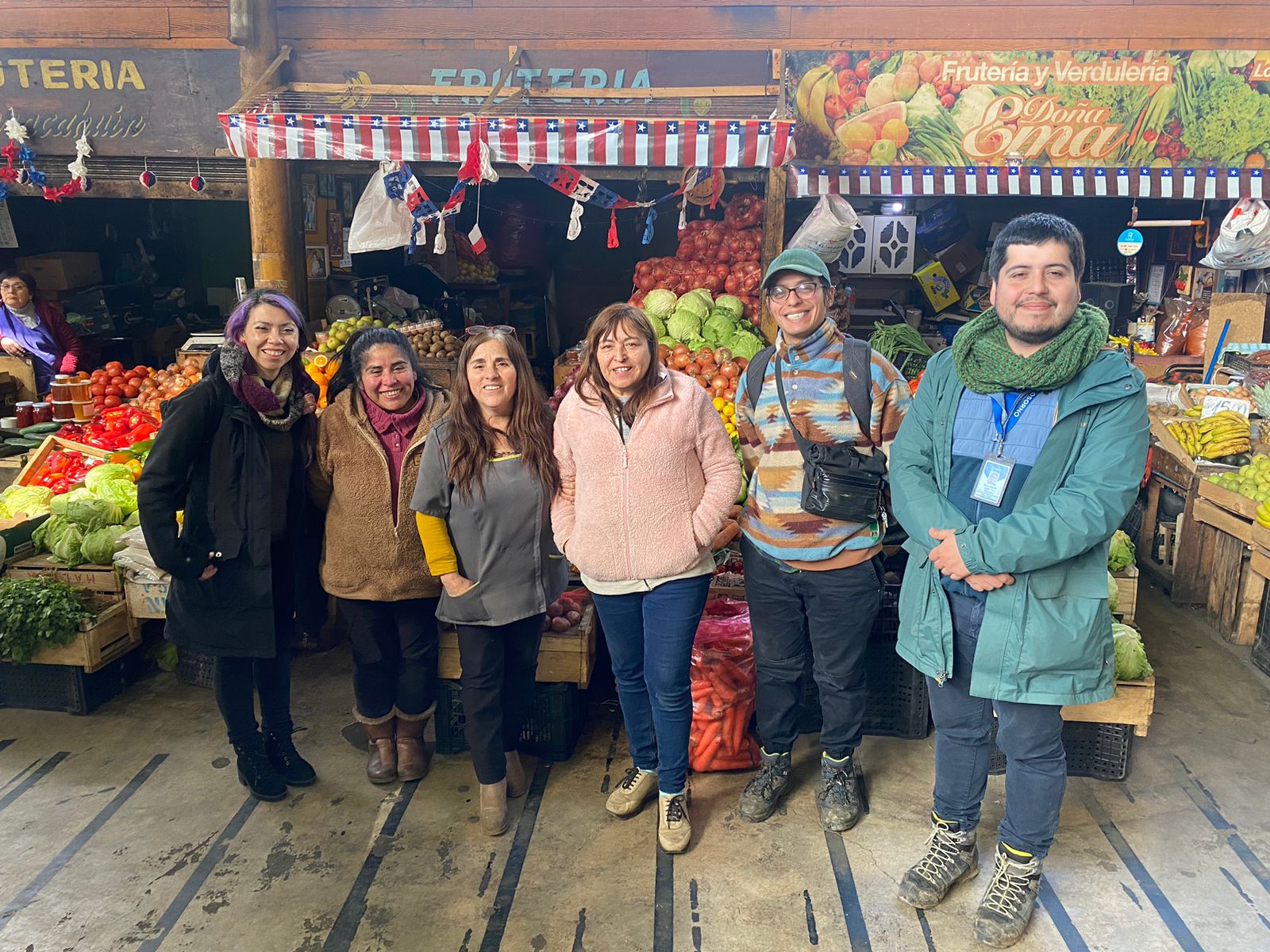
In this context, at the end of September, the Sustainability and Circular Economy team travelled to Osorno to develop the programme’s lines of action. They carried out an activity called “Industrial Symbiosis with a focus on organics” in order to establish the first contact with potential beneficiaries of the programme. This activity stood out for its focus on the free fairs, which represent a clear example of the reality of the province, in particular the Rahue and Río Negro fairs. In addition, they took the opportunity to meet with the local authorities of the Municipality of San Pablo, presenting the project and extending an invitation to join this initiative.

One characteristic that stands out for free fair producers is that they operate from fixed stalls, which means that they do not need to transport their products from long distances to the local fair. They are small-scale local producers who work at the fair at the community level, which allows them to recycle resources effectively, making free fairs an enabling environment for the implementation of sustainable and circular practices.

In this sense, it was revealed that many of these producers are intuitively adopting circular measures. Therefore, the main objective is to help them identify these sustainable practices, and then give them visibility and empower them according to the objectives of the project. In addition, local producers are employing various reuse and recycling practices, one of which is composting, as they reincorporate vegetable and fruit waste from the fair into the soil of their own plots.

In this context, Maud Breyne, head of projects in the area of Sustainability and Circular Economy at the Eurochile Business Foundation, says that “We spent hours observing the work that takes place at the free fairs, focusing on observation, gathering information and even opening the waste containers to understand what the flow is and where this waste comes from. Our goal is to identify the amount of waste generated at the fair and find ways to use it as raw material for the benefit of the fair itself“.

In summary, the purpose of the visit was to engage in discussions, to understand the current situation and the work being carried out, and to identify the circular practices already in place in the region. It also allowed to present the programme to them and to encourage them to participate in the planned activities, to disseminate good practices and foster collaboration between the key actors of the project.

It should be noted that next October 16, at 15:00 hours, the International Seminar of the programme “Strengthening Recycling and Circular Economy in the Province of Osorno” will be held at the Sonesta Hotel, located in Ejército 395, Rahue, Osorno, Los Lagos Region. The purpose of this seminar is to present the current situation of the province of Osorno in terms of implementation of circular economy, identify the main gaps and opportunities to promote a conscious and circular waste management. In addition, leading European experts with extensive knowledge on the subject will participate and successful cases of local circular businesses will be presented.

Successful Eurecat and Eurochile Workshop Boosts Sustainability in Construction under AL-INVEST Verde Programme

The project “Articulation and development of sustainable business models led by MSMEs for the construction sector”, of the AL-INVEST Verde programme, is an initiative led by the Technological Centre of Catalonia, Eurecat, and co-executed by Eurochile, which aims to benefit small and medium-sized enterprises and business organisations in the Metropolitan and Los Lagos regions of the construction sector to develop sustainable business models.

In this context, last Tuesday, October 3rd, the workshop “Business Articulation: European Tools and Experiences of business linkage and collaborative work” was held at the premises of the Eurochile Business Foundation. This hybrid event aimed to facilitate the linking of companies with the construction business ecosystem in Chile and Europe.

During the event, we had the participation of leading experts, including Ivonne Palma, director of the Sustainability and Circular Economy area of the Eurochile Business Foundation; Cristian Riquelme, Advanced Researcher – Sustainable Impact at Eurecat; Maud Breyne, project manager of the Sustainability and Circular Economy area of Eurochile; Rosalía Vicente, manager of the Technology Transfer and European Programmes area, Fundación para el Conocimiento Madrid and Manuela Caruz, director of International Networks of the Eurochile Business Foundation.

During the meeting, the experts shared information on the current status of the project, the different tools being used to assess the circularity of enterprises, the baseline form, success stories, and also presented the Enterprise Europe Network, which offers support for the growth and internationalisation of enterprises.

In short, circular construction is a fundamental issue for companies, as it allows them to save resources and be more sustainable. This is why the event was so well attended both in person and online, giving construction sector entrepreneurs the opportunity to learn about the AL-INVEST Verde project and to network with other companies in the sector.

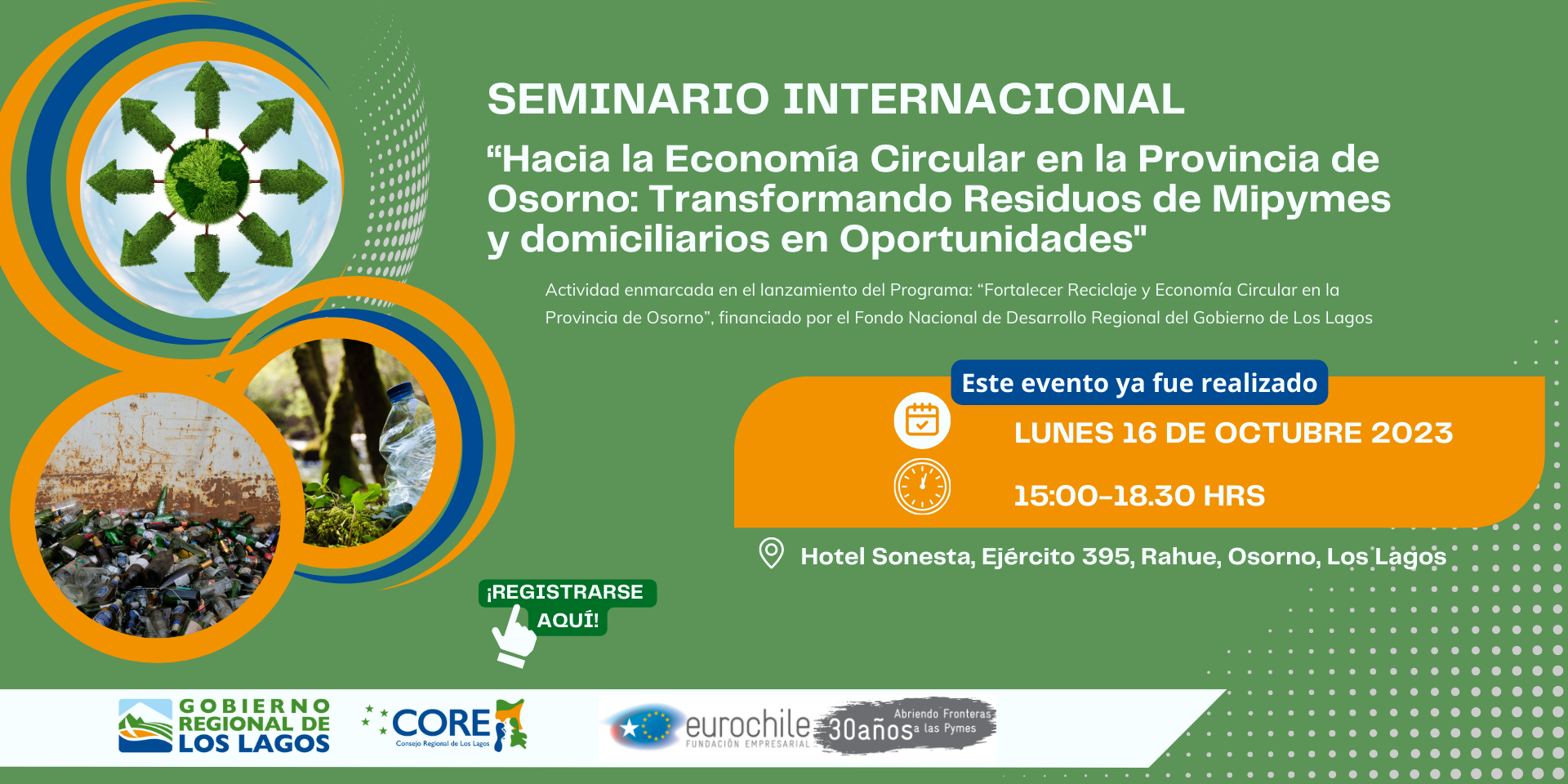
Eurochile Business Foundation holds International Seminar in the framework of the recycling and circular economy programme in the Province Osorno

Strengthening and improving the processes associated with mitigating the negative environmental impact resulting from the inadequate management of organic and inorganic waste from household and industrial activities in the Province of Osorno are the objectives of the “Strengthening Recycling and Circular Economy” Programme awarded by the Eurochile Business Foundation at the end of 2022.

The Regional Governor of Los Lagos, Patricio Vallespin, highlights that “this ongoing project represents a valuable opportunity to boost a more sustainable economy and strengthen the well-being of our citizens in the region. At the same time, it will contribute significantly to local development and progress. This initiative is designed to optimise the efficiency of our production processes, considerably reducing the amount of waste that currently ends up in landfills, which is why we are promoting the circular economy, a model that promotes the reuse and recycling of resources, and in turn, generating new employment opportunities in our region“.

Citizens, SMEs and waste managers will be the 3 main actors that make up the waste management and recycling chain, so the Foundation will divide into 2 categories of waste of different origin, industrial and household waste, as both have a common factor both by their nature and the synergies between both treatment infrastructures that could be economically beneficial for the actors related to these two types of waste.

Among the programme’s lines of action is the objective of building existing capacities and proposing new waste management models based on the European experience; fostering circular business models and training in key Circular Economy concepts with the aim of creating an engaged and empowered recycling community; and ensuring the economic sustainability of the project through access to financing over time and equipment acquisition.

The programme “Strengthening Recycling and Circular Economy in the Province of Osorno”, which has the financial support of the Regional Government of Los Lagos through the National Fund for Regional Development, has a duration of 24 months and includes a total of 200 beneficiaries among which are: Citizens, inhabitants of the communes of the Province of Osorno; SMEs, commerce and small productive industry in rural areas.

José Aravena, executive director of Eurochile Business Foundation, points out that, “The Foundation, in its role as a bridge between Chile and Europe and its extensive network of contacts with various European entities that are of tremendous importance in the world of the circular economy, we want to provide Chilean SMEs in the region with models that allow them, through the transfer of know-how, the exchange of experiences of successful cases and best practices, to acquire new tools to develop new capabilities in the generation of more sustainable products and services. We work on the design of innovation and process improvement strategies in collaboration with companies and organisations interested in reducing their environmental impact”.

In this context, the International Seminar of the programme “Strengthening Recycling and Circular Economy in the Province of Osorno” will take place on 16 October at 15:00hrs at the Sonesta Hotel, located in Ejército 395, Rahue, Osorno, Los Lagos Region. The objective of the seminar is to present the current situation of the Province of Osorno in terms of the implementation of circular economy, as well as the main gaps and opportunities for a conscious generation and circular waste management. In addition, leading European experts with extensive knowledge on the topics will participate, and success stories of circular business of local actors will be presented.

All actors involved in the circular ecosystem, from the public and private sector, are invited to take advantage of the networking opportunities during the event, fostering knowledge exchange and the generation of networks and contacts for collaborations. This international seminar will be held prior to a Circular Economy fair organised by the Association of Municipalities of the Province of Osorno on 17 and 18 October.

The project focused on the province of Osorno will not only be an opportunity to develop a more circular economy but will also be a benefit for the citizens of the region and local growth and progress, as it will improve process efficiency and reduce the amount of waste that ends up in landfills, thus promoting the circular economy and creating new employment opportunities.

National Fund for Regional Development (FNDR)

The National Regional Development Fund (FNDR) is a public financing programme that aims to promote economic and social development in the different regions of Chile. FNDR resources are granted by the central government through the regional governments and are allocated to public investment projects that contribute to local development.

In addition to strengthening the management capacity of regional governments, it is important to highlight that the National Regional Development Fund is a key tool for the development of Chile’s regions, as it contributes to the decentralisation and strengthening of regional management, promoting citizen participation and the comprehensive development of the different areas of the country.

AL-INVEST Verde Fruit Training Plan

In the framework of the AL-INVEST Verde programme, the Eurochile Business Foundation together with its European partners Promos from Italy and Agropolis International from France, are developing the project “Chilean-European Alliance for the green transition in MSMEs of the Chilean fruit sector and their Business Organisations“, which aims to help small and medium-sized enterprises to adopt sustainable and circular practices in their agri-food systems.

The main objective of the training programme is to train groups of MSMEs and their Business Organisations in Chile, deepening in contents related to circular economy, sustainable agriculture, Life Cycle Assessment, sustainable and circular techniques and technologies, current and future sustainability regulations and demands from markets and consumers. The goal is to train at least 300 MSMEs and 15 Business Organisations.

In this context, Eurochile’s Sustainability and Circular Economy team is responsible for implementing it and has been responsible for carrying out various activities and workshops aimed at MSMEs and business organisations in the Chilean agricultural sector, initiatives that have been developed in the regions of O’Higgins, Biobío and Los Lagos.

Content and Format of the Workshops

A total of 7 workshops will be held, of which 4 will be online and 3 in hybrid format. In addition, 2 complementary webinars organised by the project co-implementers, Promos Italia and Agropolis International, will be offered. The intention is to reach a total of 300 beneficiaries.

Themes to be addressed

The topics to be covered in these workshops include:

  • Circular Economy.
  • Sustainable Agriculture.
  • Life Cycle Assessment (LCA) in the fruit subsector.
  • Water Resource Management and other resources.
  • Traceability and Value Chain Tracking Systems.
  • Reducing the Environmental Impact of MSMEs.

Expert Participants

We will count with the participation of European experts, highlighting Linnet Solway, French expert in Circular Economy and Iciar Pavez, Researcher at L’Institut Agro Montpellier as some of the speakers.

Delivery of the Workshops

The workshops will be given by both European and national experts, who will present on topics related to agriculture and the circular economy, as well as other topics relevant to the project.

Training Plan workshops, some online and some hybrid, on the following dates:

  • Virtual webinar on 12 October on “Circular Economy applied to fruit production”. (Workshop nr.1)
  • 19 October, workshop N°2 Training Programme on Life Cycle and Value Chain Analysis.
  • 09 November 2023
  • 16 November 2023
  • 30 November 2023
  • 07 December 2023
  • 14 December 2023

Webinars organised by the co-implementers:

  • Promos Italy Webinar on 26 October 2023.
  • Agropolis International Webinar on 23 November 2023.

This training programme aims to promote sustainable and circular business practices, benefiting a broad group of MSMEs and their business organisations in Chile, while fostering knowledge exchange between national and European experts.

Contact

For more information on the AL-INVEST Verde Fruit project, please contact with Rodrigo Silva, project manager, Eurochile Business Foundation at rsilva@eurochile.cl.

Opinion Column: World Tourism Day: Towards a Sustainable Future with Green Investments and Circular Economy

Opinion column by Marilú Mansilla, head of projects in the area of Sustainability and Circular Economy at the Eurochile Business Foundation.

This year, the World Tourism Organization (UNWTO) has decided that World Tourism Day, celebrated every 27 September, will have a central focus on “Green Tourism and Green Investments”. Green investments in tourism are primarily aimed at promoting sustainability and environmental conservation in the tourism industry. They also seek to reduce negative environmental impacts and encourage more environmentally and socially responsible practices, creating a sustainable future for the industry.

For this reason, World Tourism Day invites us to reflect on the relevance of this industry, and the path it must follow into the future. Climate change and the need for the tourism industry to adapt to this phenomenon, together with greater environmental awareness on the part of tourists, are pushing us to make the offer increasingly sustainable. To achieve this, it is necessary to transform the tourism industry from a linear to a circular approach, promoting innovation and incorporating the circular economy and circular business models in tourism businesses, with the aim of achieving truly sustainable tourism.

In this sense, the integration of sustainable tourism practices and circular economy can play an important role in reducing tourism’s contribution to climate change and in protecting the natural and cultural environment that attracts travellers. In the case of Chile, 49.1% of tourists visiting the country are motivated by its natural wealth. Therefore, it is imperative to protect these natural resources and work on adaptation to climate change, as the reason for travel for almost 50% of tourists entering the country could be at risk. In addition, MSMEs in the tourism sector are the most vulnerable, so it is of utmost importance that they incorporate the circular economy into their products and services.

Consequently, the sustainable tourism market is constantly growing and evolving due to the increasing awareness of the importance of environmental and social sustainability.  Nowadays, travellers are increasingly looking for options that minimise their negative impact and contribute positively to the territories, which has led to an increase in the supply of sustainable tourism around the world, and we in Chile cannot be left behind.

To achieve this, green investments play an essential role in helping to incorporate these concepts in key areas such as sustainable infrastructure, low-emission transport, waste management, technological innovation, environmental restoration and equipment for tourism businesses. These investments are of paramount importance, especially in an industry that is still recovering from the economic problems resulting from the crisis we experienced during the pandemic.

On the other hand, Europe leads in the aspects mentioned above, accumulating valuable experience from which we can learn knowledge that can be identified, exploited and adapted. Meanwhile in Chile, it is necessary to advance from the grassroots, which means transferring knowledge, adopting good practices, using effective methodologies, among other aspects. For this reason, we must promote green investment in innovation to generate technological solutions that contribute to climate change mitigation and adaptation, as well as in the implementation of the circular economy in tourism MSMEs, and for this it is necessary to start by generating critical mass in the ecosystem, contributing to transfer and dissemination.

Over the last 30 years, the Eurochile Business Foundation has played a fundamental role in building bridges between SMEs and entrepreneurs in Chile and Europe, implementing projects throughout Chile, and we continue to do so in relation to current issues. At Eurochile we are committed to the development of these issues and the transfer, application and incorporation of this knowledge to contribute to sustainable tourism in Chile. This involves promoting the implementation of the Circular Economy in SMEs and, consequently, adaptation to climate change.

The Eurochile Business Foundation is currently implementing a project in the Coquimbo Region called “Reactivation of Regional Tourism with Circular Economy”, financed by the Regional Government of Coquimbo through the Innovation Fund for Competitiveness (FIC). Its main objective is to “Reactivate Tourism in the Coquimbo Region in a sustainable way and promoting the Circular Economy among tourism MSMEs”. Through this initiative, we have had the opportunity to share experiences with entrepreneurs in the tourism sector, who have been able to appreciate the benefits of implementing the circular economy in tourism.

Through this programme and other initiatives that Eurochile develops and implements, we seek to actively contribute to current issues related to tourism.