English

Second Eurecat and Eurochile Metropolitan Region Consultative Roundtable: Driving Innovation in the Construction Sector

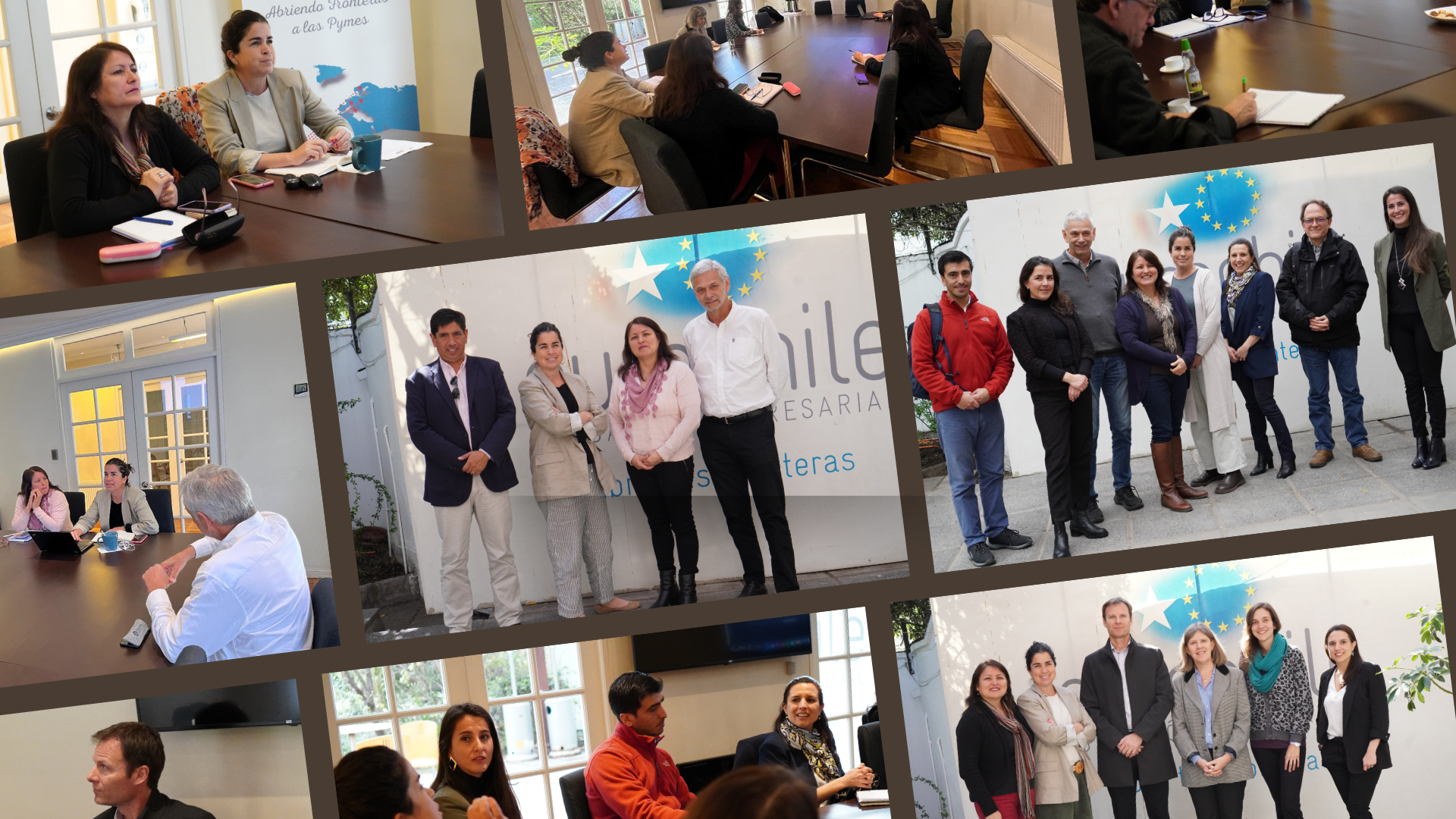
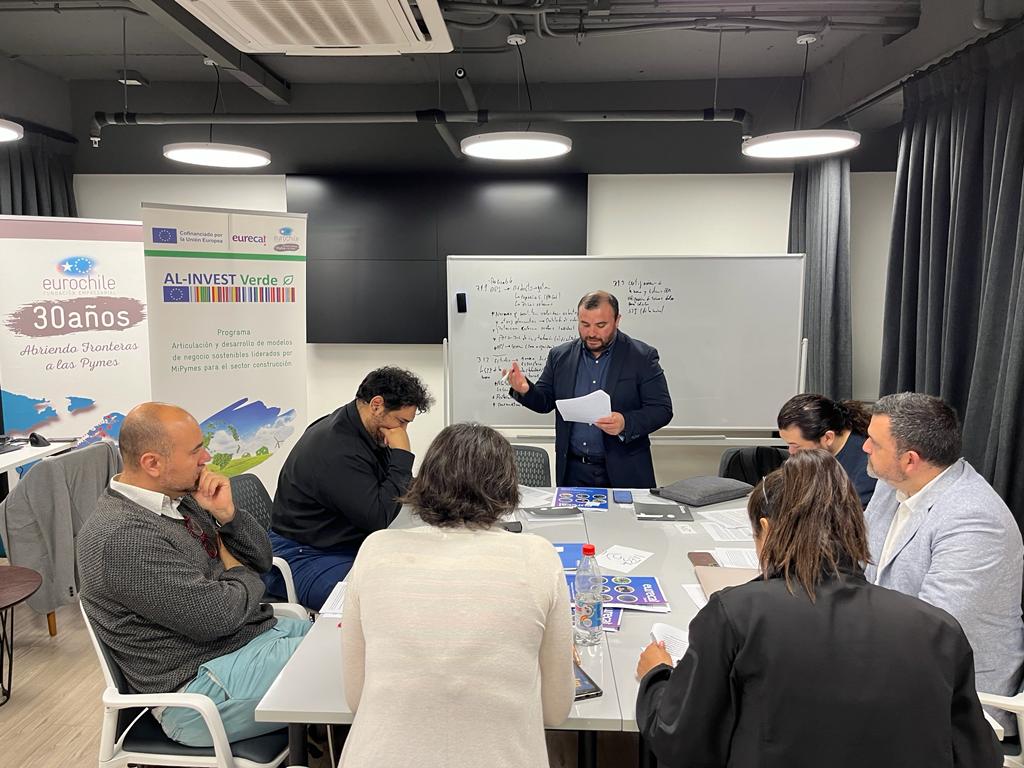
Last Thursday 23rd November, the Technological Centre of Catalonia, Eurecat, and the Eurochile Business Foundation held the second consultative round table in the framework of the AL-INVEST Verde Construction programme. This session was focused on actors from the Metropolitan Region, with the aim of collaboratively building the action plans of the project for Micro, Small and Medium Enterprises (MSMEs) in the region. The main goal was to address the local gaps and opportunities faced by these enterprises in bringing circular and sustainable products and services to the market.

Several companies and business organisations from the construction sector in the Metropolitan Region, interested in implementing circular systems in their processes related to the construction sector, participated in this initiative. The dynamics of this second consultative table was carried out with the World Café methodology, and consisted of representatives of Eurecat and Eurochile presenting topics related to the project separated into four axes, which allowed participants to have the opportunity to exchange information and discuss these topics

With regard to the above, the first axis, called “Production of sustainable materials and services”, was presented by Jose Espí, Head of Line at Eurecat. This axis focused on the optimisation of materials through the efficient use of non-renewable natural resources, as well as the development and encouragement of the use of secondary raw materials and recycled materials.

In the second axis, “Efficient consumption”, Fabian Vallespin, project executive of Eurochile’s Sustainability and Circular Economy area, addressed the intelligent management of available resources, focusing on waste minimisation to improve environmental performance, as well as on the promotion of renewable energy sources, which represent clean resources capable of supplying energy demand in a more sustainable way.

On the other hand, Cristian Riquelme, Advanced Researcher at Eurecat, developed the third axis, entitled “Secondary raw materials”, presenting various strategies and tools to address current challenges. This included a register of secondary raw materials, providing detailed information on emissions and transfers of pollutants in the construction and demolition process.

Finally, in the fourth axis, “Waste/by-product management”, José Antonio Carrasco, a specialist in business competitiveness, innovation and technology at Eurecat, focused on the responsible management of resources. His approach focused on improving environmental practices related to waste management, promoting the selective dismantling of buildings, boosting the traceability of waste and products, and efficiently managing resources in large-scale projects to favour the environmental recovery of degraded environments.

In this way, Carolina Briones, executive director of the Technological Centre for Innovation in Construction (CTEC), announced that, “we like the focus of this initiative, which has to do with the life cycle of materials and construction works. During the workshop we saw a survey of different policies and initiatives that can be carried out by the public sector, academia, the private sector and we hope in the future to be able to contribute through CTEC“.

On the other hand, Carlos Aguirre, academic and researcher at the school of architecture of the Universidad San Sebastián, stresses that, “this initiative has been particularly useful because it has allowed us to discuss different aspects and to propose a direct future for the circular economy of our construction sector. I think that the opinions that come from the state, academia, companies and international organisations allow us to have a good perspective on how we are going to influence future challenges“.

In this sense, the initiatives being developed by Eurecat and Eurochile in the framework of the project aimed at the construction sector allow industry players to exchange ideas, understand the current context of the sector and establish connections with other companies or business organisations to promote the development of new activities.

Opinion Column: Sustainable Challenges: Key Stakeholders in Recycling and Waste Management

Opinion column written by Ivonne Palma, director of the Sustainability and Circular Economy Area.

Over the last decade, the Circular Economy has established itself as the key tool for achieving economically and socially just prosperity through the conscious use of resources without compromising the future of our planet. While many businesses and governments have embraced this increasingly popular trend to address environmental issues and strengthen resilience to climate change, they quickly realised that the technical skills, training and knowledge needed to implement it were in short supply.

The transition to a circular business model or a government plan that promotes the circular economy requires specific communication skills, advanced technical knowledge, practical experience and a deep understanding of the territory, since, for example, the circular economy must be implemented at the local level to minimise the environmental impact caused by transport. According to a study led by Circle Economy, a circular economy job requires, on average, three years more practical experience than other occupations.

Considering these aspects, it is of utmost importance to preserve trades that have accumulated unique experiences over the years, such as grassroots waste pickers and MSMEs, whose main purpose is prevention, repair or reuse. These actors possess practical skills acquired through years of experience working in repair, recycling, collection and innovation with waste in complex territories. These skills are increasingly scarce in developed countries, such as in Europe, where it is difficult to find experienced remediation staff, according to a 2022 report by the European Environment Agency (EEA) Activity Circular Economy and Resource Use. Although Europe has successfully developed a highly technological recycling industry, the current trend is towards material circularisation practices with a lower environmental impact, such as reuse and repair, where they face a lack of trained personnel.

The reputational level that MSMEs possess, recognised as the most prominent among types of organisations in Chile according to the IPSOS assessment in 2022, gives them the capacity to play a crucial role in the resolution of controversial problems. An example of this is inappropriate waste management, where public distrust towards local authorities or large companies prevails in relation to the final destination of waste destined for recovery.

In addition, the remarkable entrepreneurial capacity of MSMEs, derived from the flexibility of their processes and a deep knowledge of the local market, constitutes a significant advantage. This enables them to address waste management issues in a concrete and locally adapted manner.

For more than 30 years, the Eurochile Business Foundation has focused its support on MSMEs, contributing to the development of the country. Its mission has been to promote commercial and technological exchange between small and medium-sized enterprises (SMEs) in Chile and the European Union, acting as a facilitator in the internationalisation process. The Foundation implements projects throughout Chile with the aim of generating a significant impact from the territories.

Eurochile stands out as a pioneer in the circular economy, a topic in full development in the European Union. The Foundation chose to incorporate this perspective into its processes in order to enrich MSMEs with the European experience. Currently, it continues to support MSMEs, considering them as transformative agents of society, through the transfer, application and implementation of knowledge to contribute to the construction of circular business models to lead the transition towards a circular economy that contributes to the sustainable development of the country and the planet.

Currently, the Eurochile Business Foundation is carrying out several projects in the Province of Osorno, among which the programme “Strengthening Recycling and Circular Economy” stands out. This project, focused on Recycling and Waste Management, is financed by the Regional Government of Los Lagos through the National Regional Development Fund (FNDR). The main objective is to “Mitigate the negative impact of improper waste disposal at both household and small industry level” by transferring knowledge and building local leadership in small industry and citizens to collaboratively solve the local problem of waste generation.

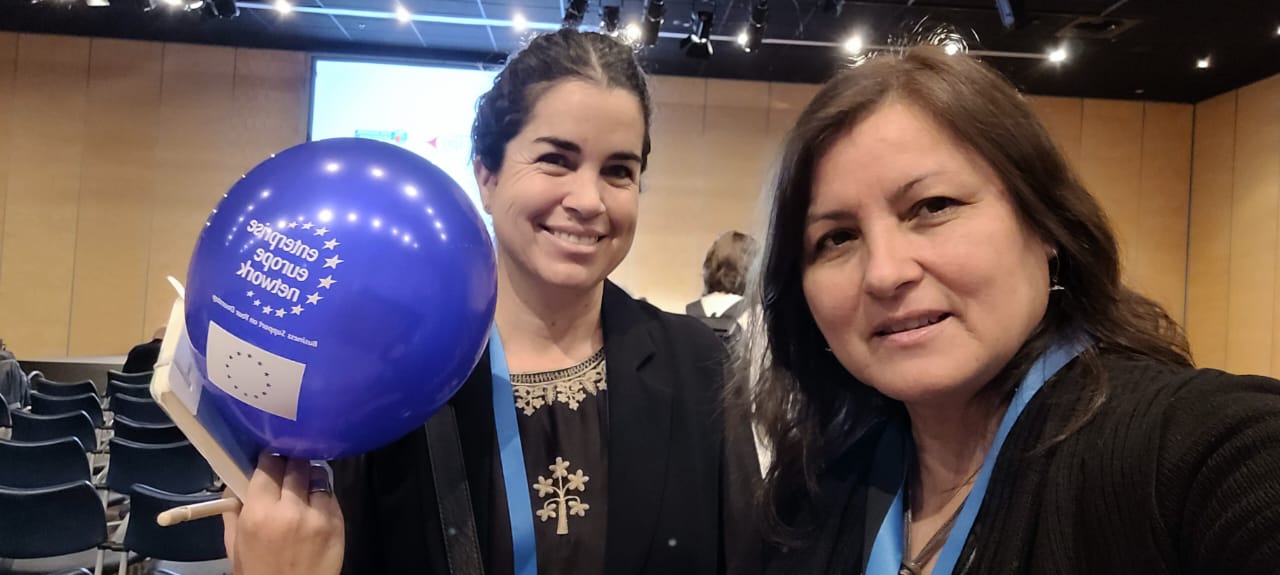
Eurochile’s participation in the 15th anniversary of the Enterprise Europe Network

Under the theme “The Network at 15: showing the way forward for SMEs”, the Enterprise Europe Network (EEN) held its Annual Conference from 15-17 November at the Bilbao Exhibition Centre in Spain, focusing on the commemoration of its 15th anniversary. The event brought together more than 800 participants from 50 countries, including Network partners, European Commission authorities and officials, and representatives from the private and public sector.

In this year’s edition, Nina Morales, Director of Institutional Affairs and Business Cooperation, and Manuela Caruz, Director of International Networks, participated on behalf of Eurochile, whose main objective was to meet and connect with counterparts from different countries for networking and to attend the talks and activities programmed by the organisation.

The Annual Conference featured panels, workshops, networking opportunities and social events. The sessions were organised around four main axes aligned with the EU’s critical policy priorities: Industrial Transition, with a focus on sustainability, digitalisation, resilience, global markets, innovation, startups, and the quality and impact of business support services.

Over the years, the Network has supported SMEs, helping them to innovate, grow and thrive on an international scale. The conference provided an opportunity to reflect on the Network’s journey and to envision an even more impactful future. Discussions focused on how the Enterprise Europe Network can evolve to provide better support, from improving sustainability and digitalisation to strengthening resilience.

During the event, key topics such as improving business support services for SMEs, internationalisation, supporting the transition to clean energy, skills development and promoting comprehensive synergies were addressed, with the aim of providing long-term strategies for SMEs, maximising global opportunities, complying with European environmental initiatives and fostering collaboration with various stakeholders.

As representatives of Eurochile, we actively participated in those workshops that we considered fundamental for the development of the network. These sessions not only provided us with an in-depth understanding of the functioning of the European nodes, but also of the Commission’s policies on a variety of issues“, highlights Nina Morales, Director of Institutional Affairs and Business Cooperation at the Eurochile Business Foundation.

The conference was divided into specific workshops in the form of roundtables chaired by the European Commission through the European Innovation and SME Executive Agency (EISMEA) and network nodes.

In this regard, Manuela Caruz, Director of International Networks at Eurochile, points out that, “the activities in which we participated not only gave us the opportunity to celebrate the achievements of the network, but also to immerse ourselves in key discussions about the future. We had the valuable opportunity to learn about the vision and goals to be addressed in the coming year. We are excited to apply these learnings and continue to contribute to the success of SMEs on their path to internationalisation“.

In short, Eurochile’s participation in the Network’s anniversary was crucial to establish connections, share and exchange ideas on the new initiatives under development and the progress of the network nodes in Europe. This acquired knowledge will allow the Foundation to assist SMEs in their internationalisation process and to encourage the participation of other companies in this network that facilitates the diversification of national and European markets.

On the left, Manuela Caruz, Director of International Networks and on the right, Nina Morales, Director of Institutional Affairs and Business Cooperation.

SEGITTUR: Promoting Sustainable Tourism through Technological Innovation

The Sociedad Estatal para la Gestión de la Innovación y las Tecnologías Turísticas (SEGITTUR) in Spain, attached to the Ministry of Industry, Trade and Tourism, aims to promote innovation (R&D&I) and the application of technologies in tourism, both in the public and private sectors. This entity was founded with the aim of boosting the competitiveness and sustainability of the tourism industry.

SEGITTUR is currently implementing a strategy based on five key lines of action, the most important of which are Digital Promotion, where it supports the projection of Spain as a tourist destination, accumulating more than fifteen years of experience in online marketing. Internationalisation, with the aim of disseminating knowledge that has positioned Spain as a world leader in tourism and supporting the expansion of tourism SMEs.

The third axis is Digital Transformation, where SEGITTUR seeks solutions to address the new needs generated by technology in tourism, collaborating with destinations and companies to improve the competitiveness of the sector in Spain.

There are also the Smart Tourism Destinations (STD), an internationally recognised model based on innovation, technology, sustainability and accessibility to ensure the present and the future of tourism. SEGITTUR is also involved in improving tourism measurement and knowledge systems.

The fifth axis is dominated by the Sustainable Development Goals (SDGs) and Sustainability, and SEGITTUR is actively working to ensure that tourism contributes to meeting the SDGs of the United Nations Global Compact. The entity strives to align its actions with the principles of sustainability to make a positive contribution to the future of tourism.

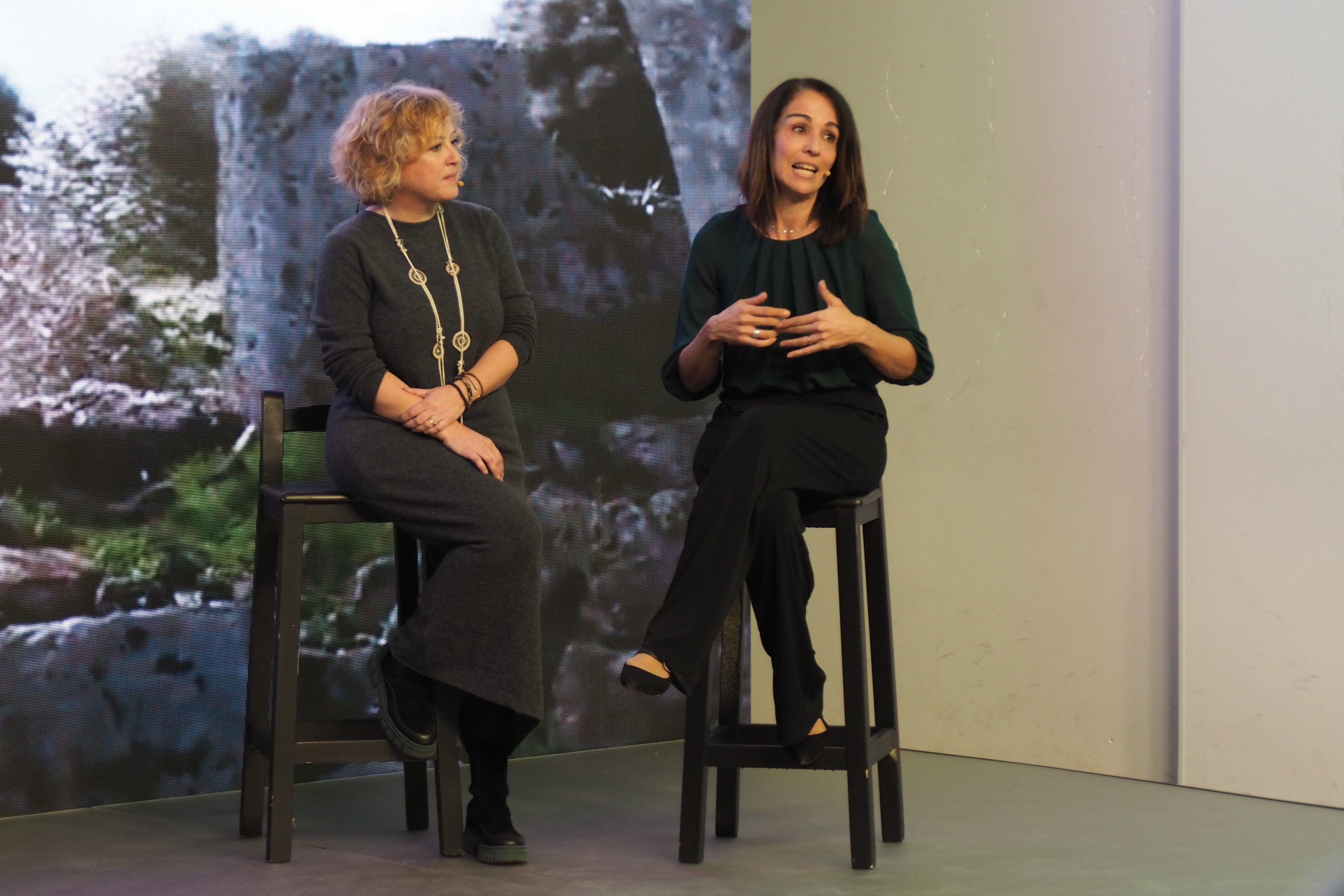
On this occasion, we had the opportunity to interview Olga Pérez Pastor, Project Manager of the Institutional Relations Department of SEGITTUR. With her vast experience in the sector, she tells us about the trajectory of this company as a benchmark in the promotion of tourism innovation. She also highlights the importance of implementing good practices, the crucial role of the public sector, the circular trends that are being developed, as well as the processes that SMEs should incorporate on their way to circularity, among others.

What is the importance of highlighting good practices in circular economy for small and medium-sized enterprises (SMEs) in the tourism sector?

For companies, it is a way of giving visibility to their actions in the circular economy and a recognition of their good work. On the other hand, they become a reference for other companies that want to start or continue implementing sustainable initiatives and identify in them examples and actions to follow.

What is the origin and purpose of manuals designed for Destination Managers and tourism SMEs?

The initiative arises from the need for a more sustainable and balanced development model that has made the circular economy a clear commitment to key policies and funding tools, such as the 2030 Agenda for Sustainable Development, the Paris Agreement on climate change, the European Green Pact, the Spanish Circular Economy Strategy (EEEC) and the EU 2020 Circular Economy Action Plan and the Spanish Government’s Recovery, Transformation and Resilience Plan.

In this context, the Secretary of State for Tourism, through SEGITTUR, is committed to promoting circularity in the tourism sector by carrying out actions to boost the process of circular transformation and the development of practical materials to support destination managers and tourism companies, with the collaboration of member destinations of the Network of Smart Tourism Destinations.

How important a role can the public sector play in the design and implementation of these manuals?

Local public administration can be a good promoter of the circular vision and form of collaboration in the destination. We believe that the application of circular economy actions in an SME with a tractor effect on others is very positive, but it is at the destination level where the circular economy can develop its full potential due to the transversality of tourism, the systemic component of the circular economy and the proximity between the different agents united by the common objective of increasing the attractiveness of their destination for tourists. It is therefore essential to have a systemic vision based on the participation and collaboration of the different actors in the territory, both public and private.

According to the manuals, what are the essential circular actions to be implemented by a company that wants to start moving from a linear to a circular model?

To answer this question, I would first refer you to the Ellen MacArthur Foundation, which shows in a clear and well-argued way the principles of the circular economy: eliminate waste by design, keep products and materials in use, and regenerate natural systems. On the other hand, the Circle Economy (a Dutch non-profit organisation) organises these principles into 8 elements, making it easier for companies to understand and identify key aspects to take into account in the process. There are 8 elements: 3 core and 5 enablers.

What are the current circular trends in the Spanish tourism sector?

Currently, actions are being implemented, supported by funding, aimed at energy efficiency, waste separation and management, the promotion of production and procurement of local supplies, digitalisation, awareness-raising and training of workers. In addition, there are key regulations and instruments with an impact on tourism, such as the draft bill to combat food waste in Spain, the Green Public Procurement Plan 2018-2025, or Law 7/2022 on Waste and Contaminated Land for a Circular Economy, which are also driving the implementation of initiatives in this area.

What areas should we focus on when incorporating the circular economy in the tourism sector?

In the manuals, the concept of circular economy is broken down into 6 vectors or areas to facilitate its understanding: energy, sustainable mobility, responsible consumption, waste, water and construction. It is important that tourism companies analyse their businesses beforehand, in order to focus their circular economy actions on those vectors that can generate the greatest impact and have the greatest potential for the transition towards a more sustainable economy.

Why is it important to adapt to these measures according to the needs of tourists?

The handbooks reference two studies on the behaviour of EU citizens regarding tourism activity which argue that consumer priorities and behaviour are changing and significantly influence the success of a destination or a tourism enterprise. In addition, there is a growing global societal awareness of sustainability. It is therefore important for destinations and tourism supply to adapt to these new demand characteristics.

What is the relevance of indicators in the actions of tourism enterprises?

As in almost everything, measurement, as a control and monitoring tool, is essential to be able to analyse the progress in the transition process towards a circular economy, as well as to identify the barriers that may be blocking this path and to be able to act on them.

A proposal is made for circularity indicators, so that each destination or company can select or incorporate new ones, as well as assigning their timeframe (short, medium and long term).

What are the most common challenges faced by tourism businesses when implementing circular economy initiatives, and how can they be effectively overcome?

For SMEs in the tourism sector in Spain, the concept of circular economy is still new. Although they are gradually making progress in some aspects of the model, such as reducing consumption or efficient waste management, small and medium-sized tourism enterprises are still hesitant to change from a linear to a circular system.

To cite two of the challenges we face: on the one hand, a lack of a clear circular economy strategy in the sector with its own vision and specific objectives, which can be implemented and results measured; and on the other, the need for awareness-raising and training to generate a sustainable and committed awareness of resource consumption among public managers, the business community and the public at large.

As I mentioned earlier, public-private collaboration is essential to promote this transition.

How can Chilean tourism SMEs assess and continuously improve their practices to align with global circular economy principles?

Establishing their own system of circularity indicators adapted to their context and associated with their initiatives in order to evaluate their success. I believe that the adoption of the circular economy is a process whose speed will be determined by the environment and, above all, by the interest of each tourism company.

In addition, the manuals propose indicators and, for public managers, reference is made to systems of indicators in which they can identify others that are more suited to the territories, such as ETIS (European Tourism Indicators System) or the UNE 178502 Standard on Indicators and tools for the Smart Tourism Destination.

In short, SEGITTUR is an efficient operator that promotes the development, modernisation and maintenance of the tourism industry through technological innovation. Its work includes the generation and management of technology, knowledge and innovation to improve competitiveness, quality and sustainability in the environmental, economic and social aspects of tourism. The entity also disseminates, promotes and implements at national and international level the good practices, knowledge and technological innovation that have consolidated Spain as a world leader in international tourism.
Chilean producers learn about the benefits of adopting the circular economy in the fruit sector

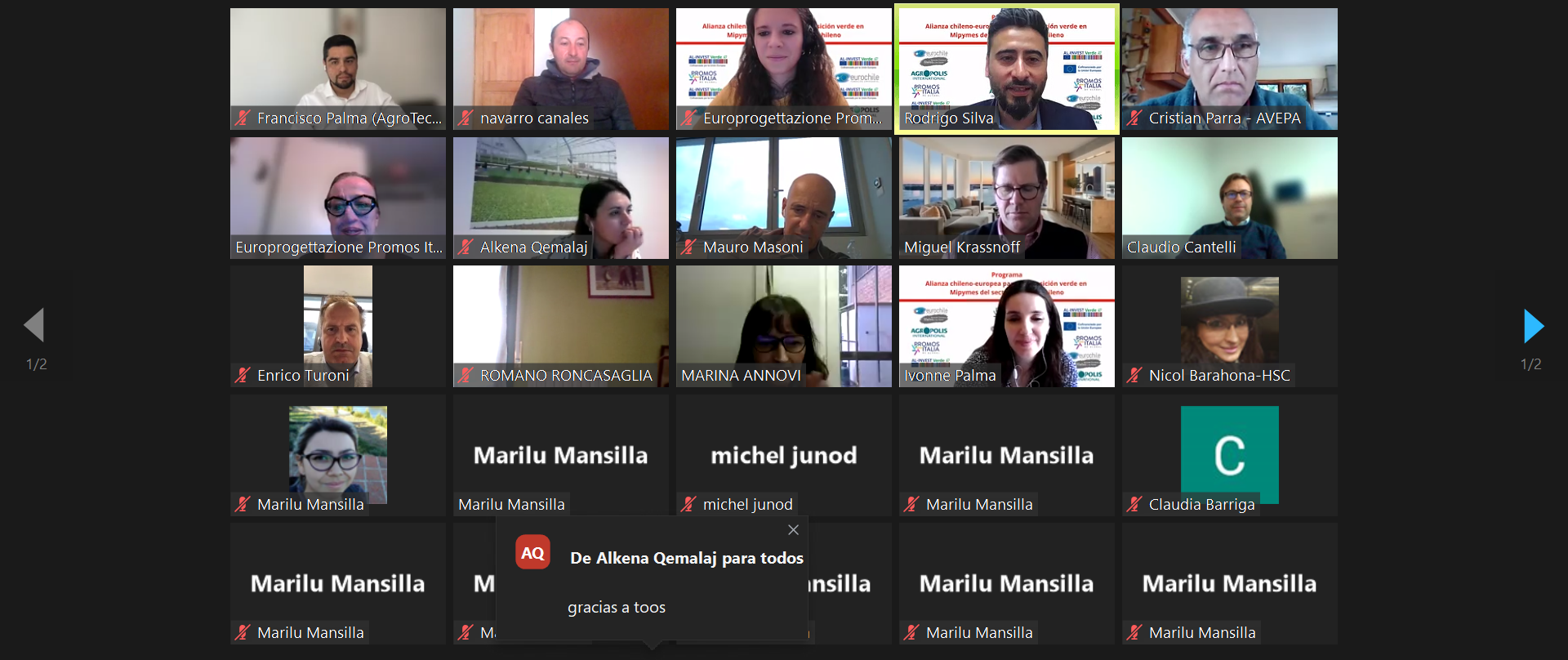
In the context of the AL-INVEST Verde Fruit programme, an initiative led by the Eurochile Business Foundation, together with its partners Promos Italy and Agropolis International of France, has carried out the first three online workshops as part of the Training Plan. The first of these took place on 12 October, with the workshop “Circular Economy Applied to Fruit Production”. Subsequently, on 19 October, the workshop “Life Cycle Analysis as a tool to identify improvements and circular farming solutions” was held, both led by the European expert in circular economy, Linnet Solway. The third workshop entitled “Value Chains and Traceability Systems in the Fruit Sector” was held on 9 November and was led by the Spanish expert, Iciar Pavez, a researcher at the Agro Montpellier Institute in France.

Complementing the Training Plan, the second Online Seminar “Italian Green Agri-Food Technologies for the Chilean Market” was held on 26 October, with the participation of both Italian and Chilean companies. This event allowed an exchange of experiences, consolidating the collaboration in the agri-food field.

During the events, we had the presence of Rodrigo Silva, project manager of Eurochile’s Sustainability and Circular Economy area, who presented the progress of the project. In addition, Raffaelo Benetti, representative of Promos Italia, shared detailed information about the functions of the agency and its fundamental support to Italian companies in internationalisation processes, as well as its operation in Italy. Melanie Broin, representative of Agropolis International from France, played a crucial role in presenting the organisation, which acts as a centre of scientific excellence specialised in agri-environmental issues.

In the first two workshops, the European expert on Circular Economy, Linnet Solway, addressed key issues, highlighting the definition of circular economy, the current context of development both in Chile and in Europe, the implementation of this in the agricultural sector and the success stories of European agricultural producers in adopting this “new” model.

In the webinar held on 09 November, Iciar Pavez focused her presentation on value chains and traceability systems with an emphasis on fruit, showing examples and European cases. During her presentation she contextualised the European fruit market, highlighting that the European Union is a large consumer of fruit and vegetables, as well as a producer; and the trend that began a few years ago is the consumption of fresh fruit and that COVID was not an impediment to this preference. Another of the topics included in the presentation was traceability, its evolution and the importance of this concept in the agricultural sector.

On the other hand, the International Seminar was attended by Italian agricultural companies that stood out as examples of success in the implementation of circular practices in their production process. These included F.lli Annovi, specialising in machines for distributing organic matter close to the roots; Ferrari Growtech, renowned for its transplanters that quantitatively and qualitatively improve the harvest of fruit and vegetable crops; Plastical srl, which offers systems to protect fruit from atmospheric phenomena; Rinieri, specialising in inter-row machines for orchards; Urbinati, a supplier of greenhouse technologies such as planters; and Vivaio Battistini, an Italian leader in micropropagation and producer of fruit plants.

In addition, leading Chilean companies and organisations participated, including Avellanos Patagonia (Avepa) from the commune of Osorno, Los Lagos Region; Sanberriescoop LTDA from the commune of Chimbarongo, O’Higgins Region; and the Asociación Gremial AgroTech Chile.

On this occasion, Chilean producers from the agricultural sector had the opportunity to explore the advantages of incorporating the circular economy into their production. This will allow them to optimise their crops, reduce CO2 emissions and develop circular strategies to meet the current conditions required by the European market and export their products.

Promos Italia, in its continuous work to foster trade exchange and bilateral relations, has identified a promising link between the Italian companies participating in the previous webinars and the possibility of organising a business mission to Chile. The projection of this mission is specifically focused on the agricultural sector, the purpose of which will be to establish strategic links, business opportunities and possible alliances with local companies and Chilean fruit producers.

The mission is tentatively scheduled for March next year, whereby Italian companies are expected to participate in networking meetings, visits to local facilities and working meetings with key players in the Chilean agricultural sector. This comprehensive approach will allow Italian companies to get a close look at the Chilean business environment, identify potential partners and prospect for mutually beneficial business opportunities.

In short, these online events are designed for micro, small and medium-sized enterprises (MSMEs) in the fruit sector and their business organisations, with the aim of fostering progress towards more sustainable and circular agri-food systems.

To learn more about the Training Plan, we invite you to review the following LINK: https://eurochile.cl/en/noticias/desarrollo-regional/al-invest-verde-fruit-training-plan/ 

Building a Sustainable Future: Eurecat and Eurochile Webinar Highlights the Circular Economy in Construction MSMEs

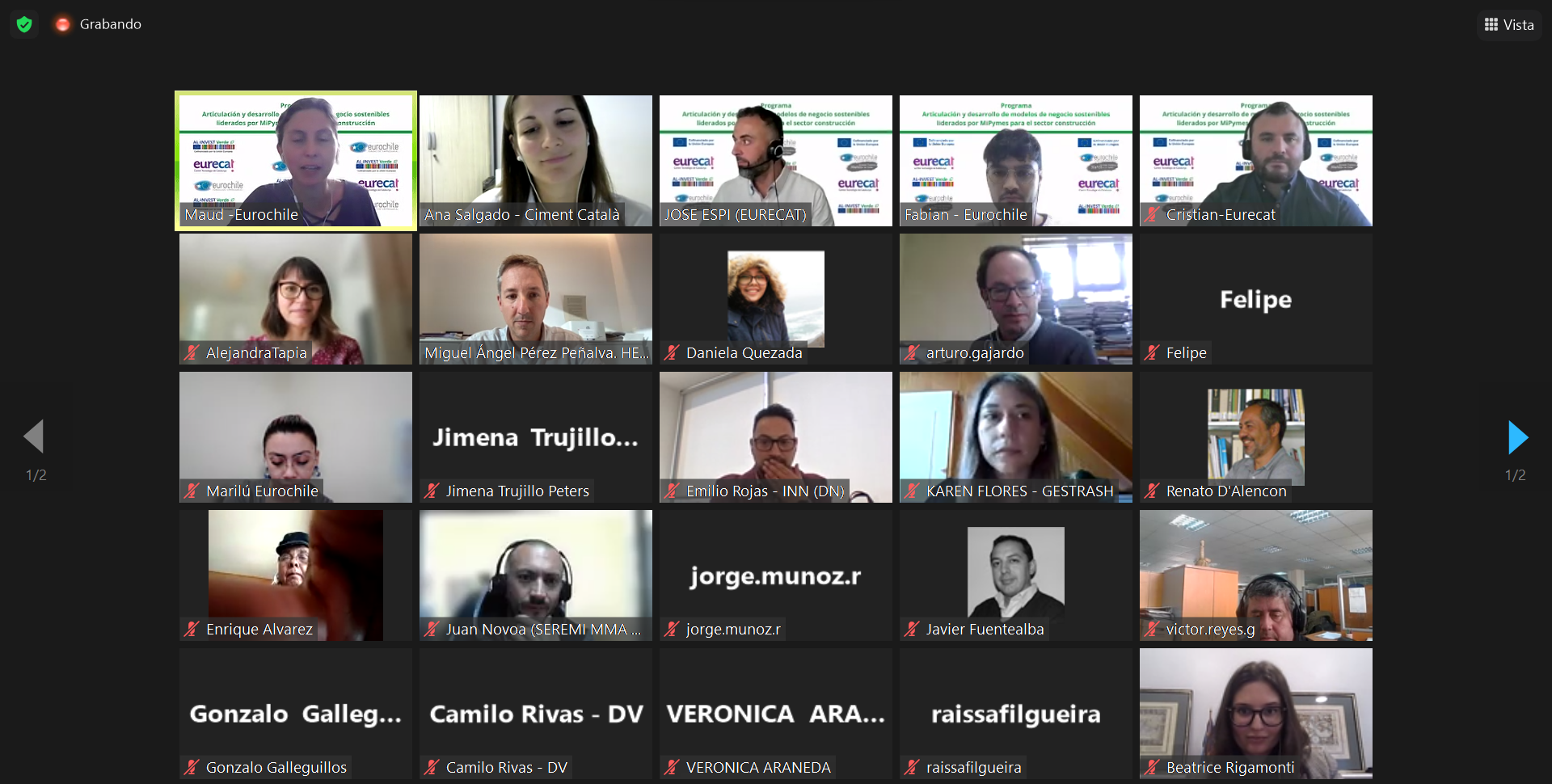
In the framework of the AL-INVEST Verde Construction programme, the Technology Centre of Catalonia, Eurecat and the Eurochile Business Foundation held the webinar “European Experience in the Valorisation of Construction Waste” on Wednesday 08 November. The event aimed to give continuity to the programme focused on strengthening and improving the linkage of Micro, Small and Medium Enterprises (MSMEs) and their business organisations related to the construction sector.

During the conference, Maud Breyne, head of projects at the Eurochile Business Foundation, presented the progress and objectives of the project. José Espí, head of the Sustainable Impact Line, explained Eurecat’s functionalities, including the self-diagnosis tool developed to evaluate the level of circularity of a company, whose questionnaire includes four topics: design and planning, value chain processes, use and recovery of value and culture and organisation. Each of these topics has four to five questions and at the end of the questionnaire the results are given with a score. Finally, a 15-page document with recommendations and ratings of the results is downloaded.

Likewise, Miguel Ángel Pérez, manager of Hercal Diggers, a 16-year-old family business located in Barcelona and specialised in demolition, demolition and soil decontamination, shared the goal of being one of the most sustainable demolition companies in Spain. In his presentation, Pérez highlighted the development of the company, the importance of transforming rubble into sustainable materials, the progress in the creation of sustainable concrete and the different processes that the company is implementing in the sustainable construction industry, as well as the integration of the circular economy in the sector. In its beginnings, Hercal started working only in earthmoving, doing excavations and backfilling, but over time they started to incorporate demolitions. Today they work throughout Spain and are specialists in complex demolitions; they also carry out civil works.

On the other hand, Ana Salgado, Head of Environment at Ciment Català, the Cement Manufacturers’ Association of Catalonia, spoke about her company, the cement manufacturing process, its production and the environmental situation of the construction sector. He also discussed the Roadmap process they have implemented until 2050 and the importance of incorporating the circular economy in construction. Cement Català is made up of four companies and five factories and, since 1990, the company has made significant environmental investments which have resulted, to date, in high percentages of energy recovery and a reduction in energy consumption.

In short, the participating MSMEs had the opportunity to learn more about the project that Eurecat is carrying out in collaboration with Eurochile. In addition, they learned about innovations in the construction sector by incorporating the circular economy and European success stories.

Conexión Circular Los Lagos: Circular Economy Meeting for Managers, Companies and Utilities of the Region

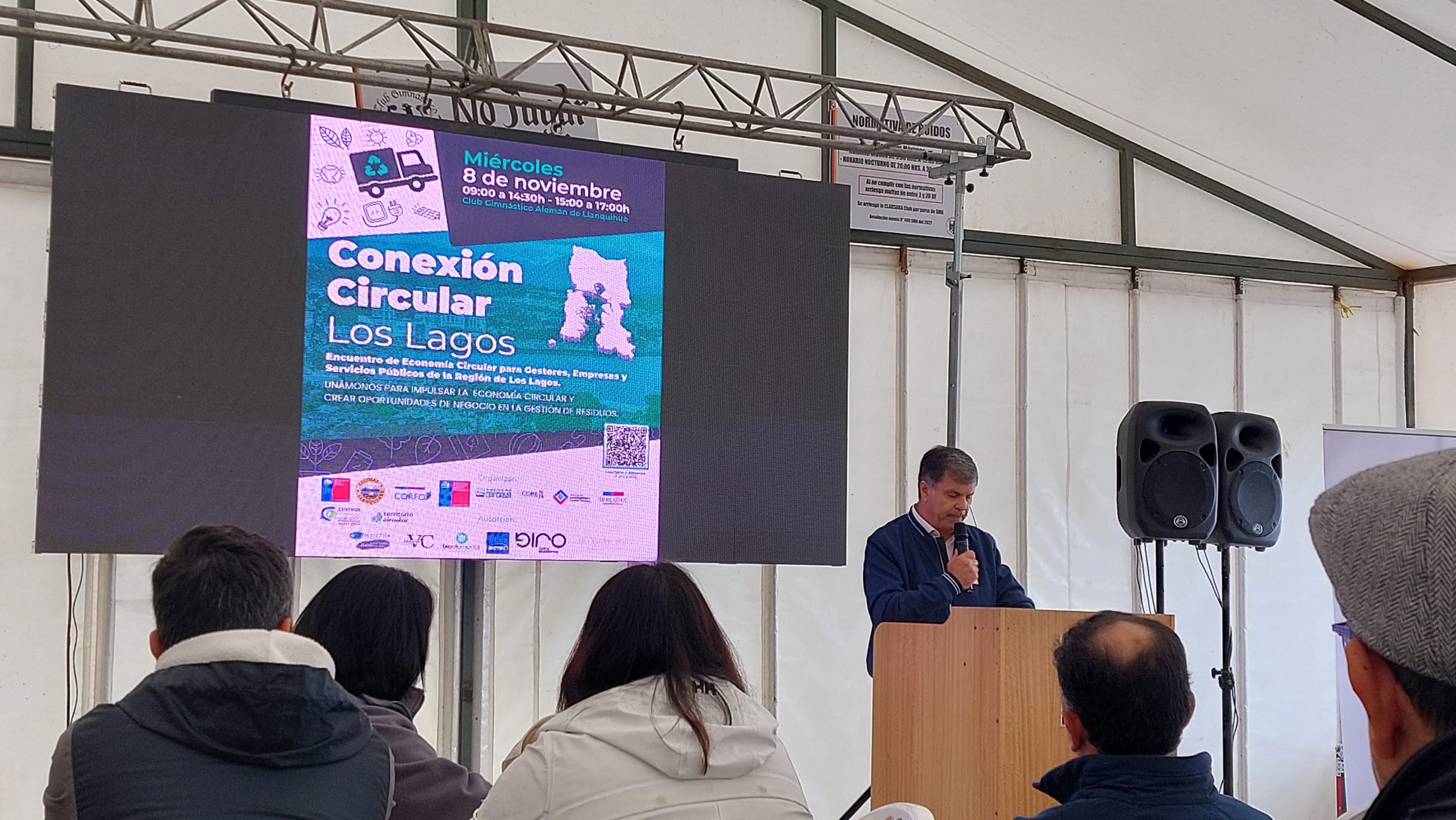
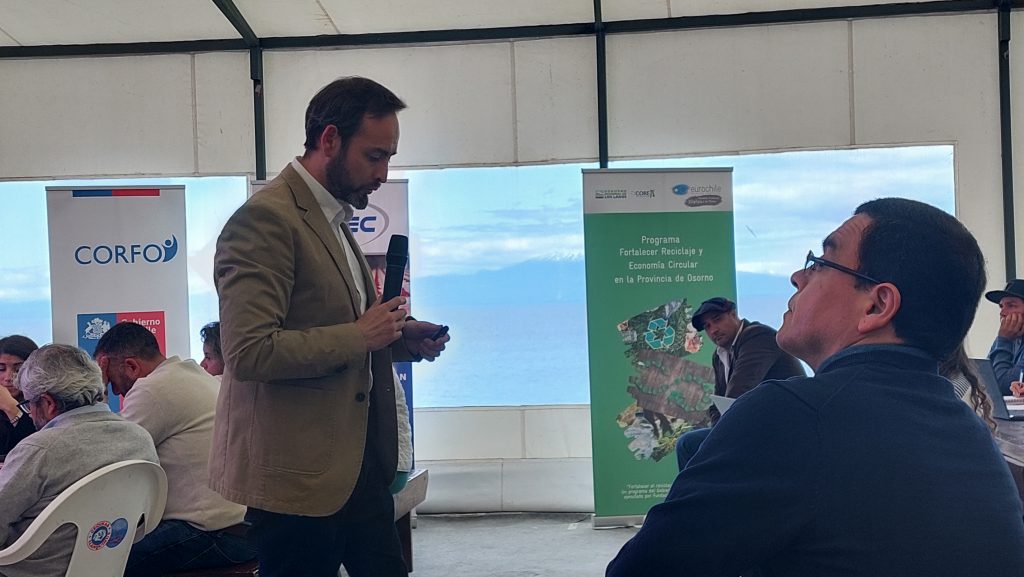
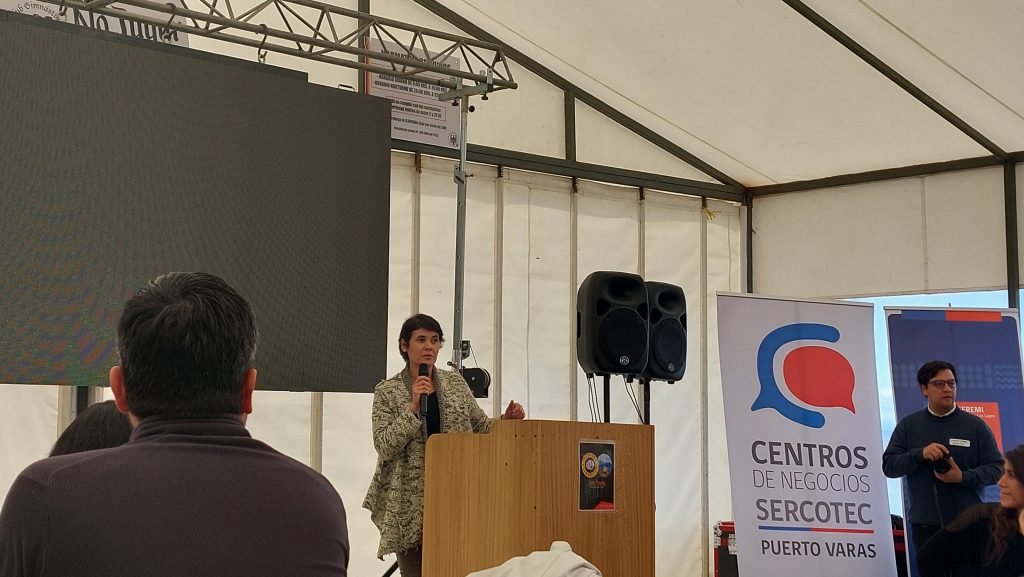
On 8 November, the first “Conexión Circular Los Lagos” meeting was held at the Club Gimnasio Alemán de Llanquihue, an event that brought together more than 150 participants. The purpose of this initiative was to promote the circular economy and foster collaboration between waste managers, small and medium-sized enterprises (SMEs), as well as public and private sector actors, with the aim of accelerating the transition towards a more sustainable and circular economic model.

In this regard, the Eurochile Business Foundation participated in the framework of its project “Strengthening Recycling and Circular Economy in the Province of Osorno”, which has the financial support of the Regional Government of Los Lagos through the National Fund for Regional Development (FNDR) and aims to strengthen and improve the associated processes to reduce the negative environmental impact caused by the inadequate management of waste, both organic and inorganic, generated in household and industrial activities in the Province.

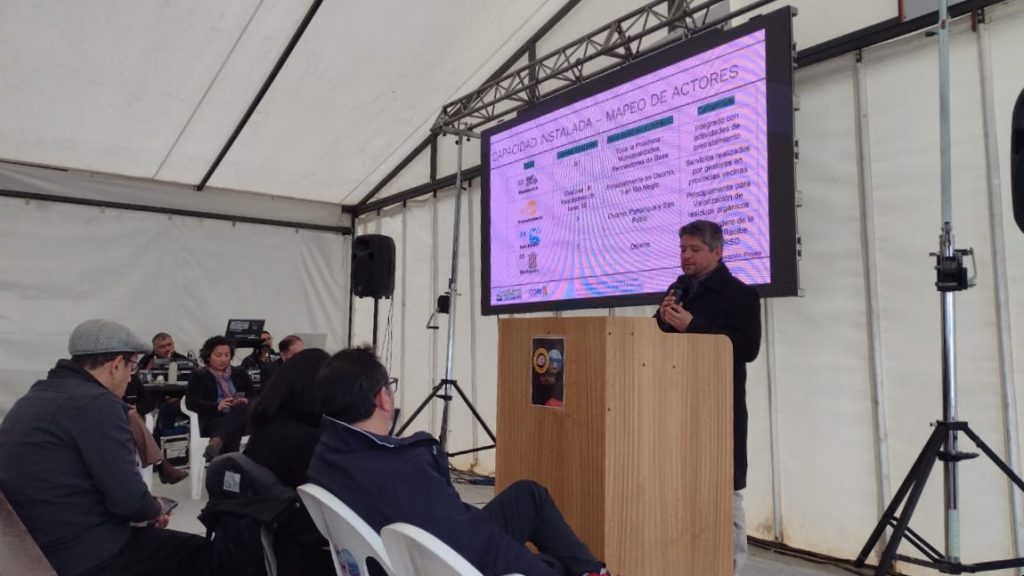
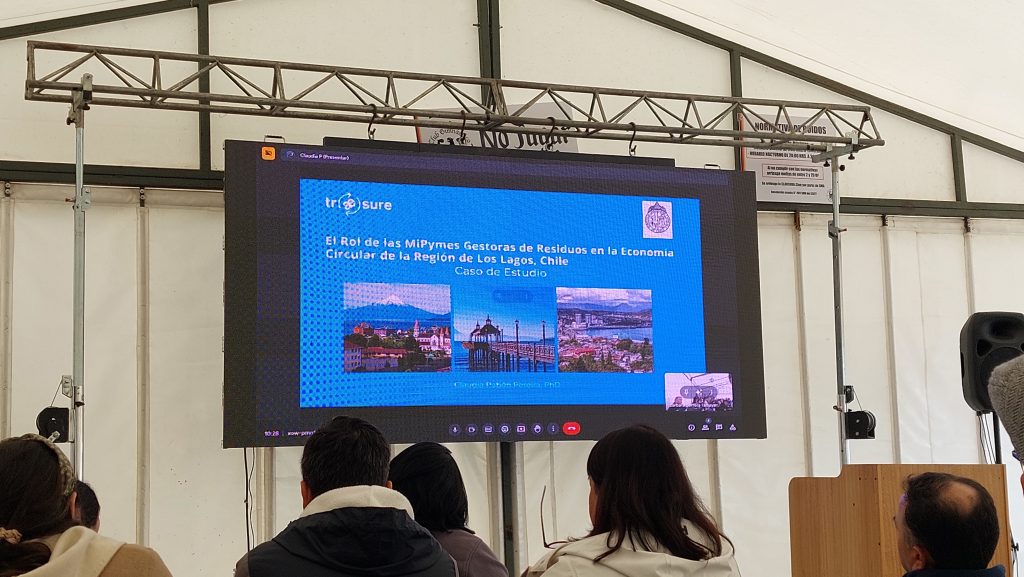
During the event, Juan Carvallo, territorial coordinator of the Eurochile Business Foundation, presented the project and the main results of the baseline study of the programme carried out by the Foundation in Osorno. In addition, the academic specialised in Circular Economy, Claudia Pabón, presented her research “The Role of MSME Waste Managers in the Circular Economy in the Los Lagos Region, Chile”, while Nelson Urra, from the collective system of Giro Management, shared his experiences in the management of packaging.

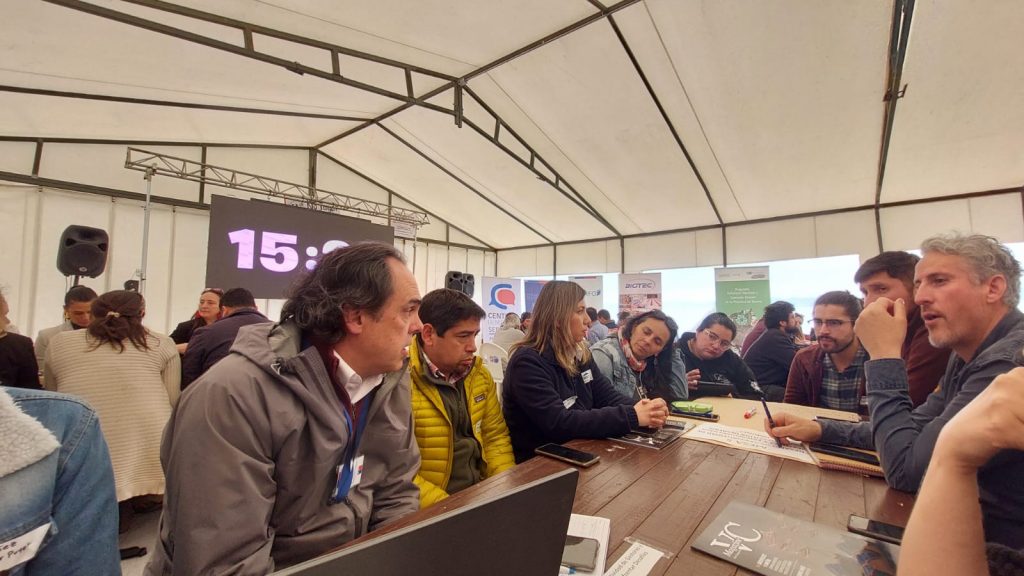
In addition, working groups focused on six key themes of the circular economy. Afterwards, reflections and conclusions from each round table were shared, making the day an exceptional space for meetings, networking and the start of meaningful conversations between the various participating actors.

Promoting Sustainability in Tourism: Eurochile Webinar highlights Circular Economy for SMEs in the Coquimbo Region

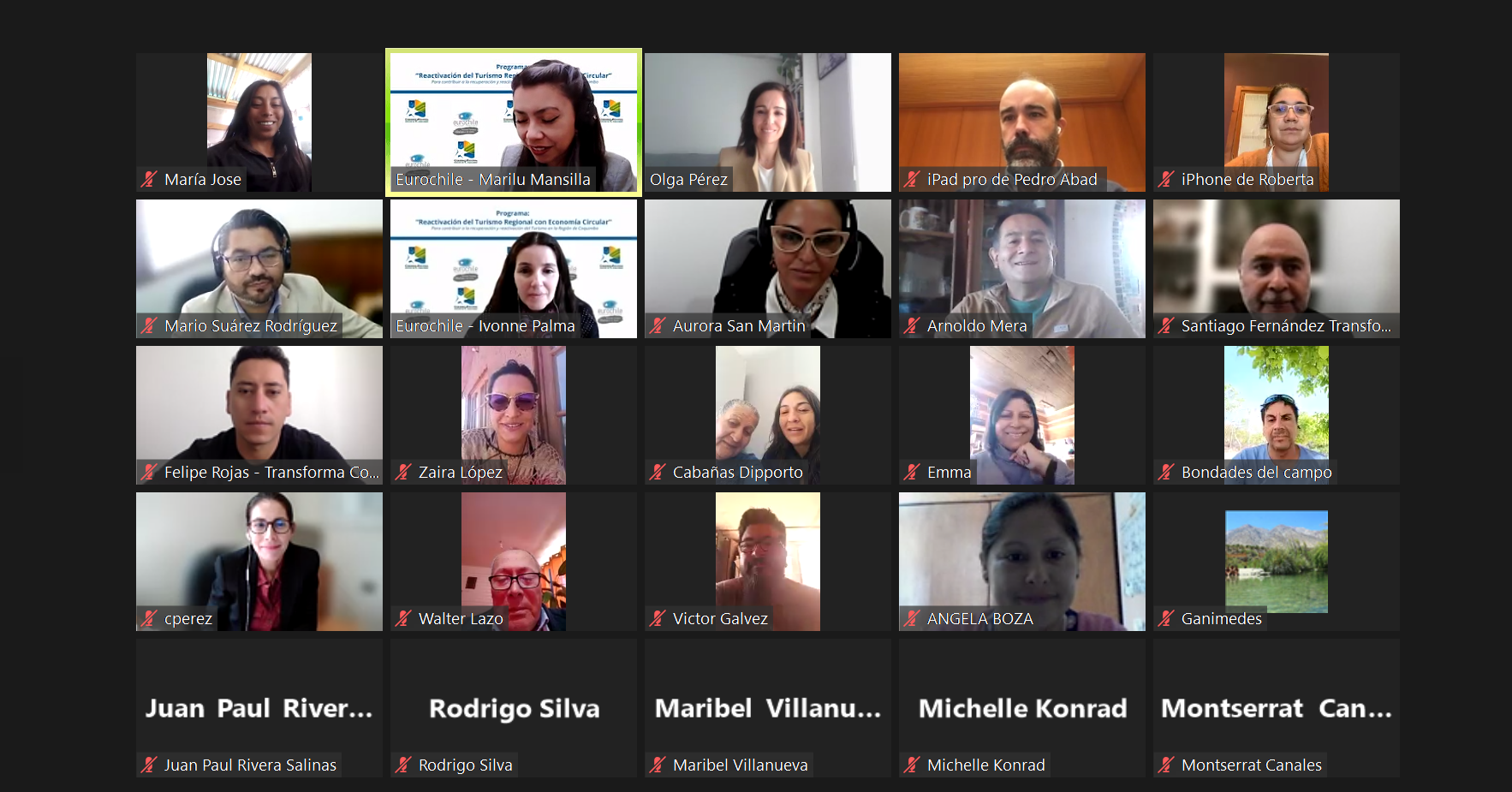
On Tuesday 7th November, the Eurochile Business Foundation held the webinar “Transition of Tourism SMEs towards a Circular Economy”, given by Olga Pérez Pastor, project manager of the State Company for the Management of Innovation and Tourism Technologies (SEGITTUR). This event is part of the training plan of the Programme “Reactivation of Regional Tourism with Circular Economy”, implemented by Eurochile Business Foundation, financed by the Innovation Fund for Competitiveness (FIC) of the Regional Government of Coquimbo and aimed to provide small and medium enterprises in the tourism sector with knowledge about the circular economy, show initiatives that are being carried out in Europe and highlight its benefits and opportunities.

During the day, emphasis was placed on the importance of good practices in circular economy within the tourism sector. Participants had the opportunity to learn about European success stories and to access a variety of roadmap manuals designed specifically for SMEs in the sector. The Spanish expert pointed out the importance of these manuals, stressing that the focus of these documents was to be simple and to include examples, case studies and a set of actions in order to facilitate information on what is being developed in the circular economy. In this context, he explained the manual designed for SMEs, which contains a lot of information on trends and alliances, and which also contains questions for companies to analyse the starting point in their sector, allowing them to rethink their business. He also commented that there is another document, a guide to good circular economy practices promoted by tourism destinations and companies, which contains a compilation of 30 good practices for the sector and which aims to serve as a reference for actors who are moving from the linear model to the circular model in tourism.

The event was attended by Marilú Mansilla, project manager of the Eurochile Business Foundation, who presented the work of the Foundation and the progress of the project, as well as Mario Suárez, head of the Development and Industries Division of the Regional Government of Coquimbo. In addition, Pedro Abad, commercial director of ARTAJO and Roberta Rolón, director of Agroturismo Sant Joan de Binissaida, who shared their experiences as European success stories in the implementation of the circular economy in the tourism sector.

Eurochile’s commitment to support SMEs in the tourism sector in the Coquimbo region on their path towards sustainability through the circular economy is reinforced by events such as this webinar. The promotion of sustainable and circular practices in tourism is crucial for the preservation of the environment and the economic development of the region.

To relive the webinar, we invite you to watch the following video:

Eurochile Leads International Seminar and Debuts at Provincial Circular Economy Fair in Osorno

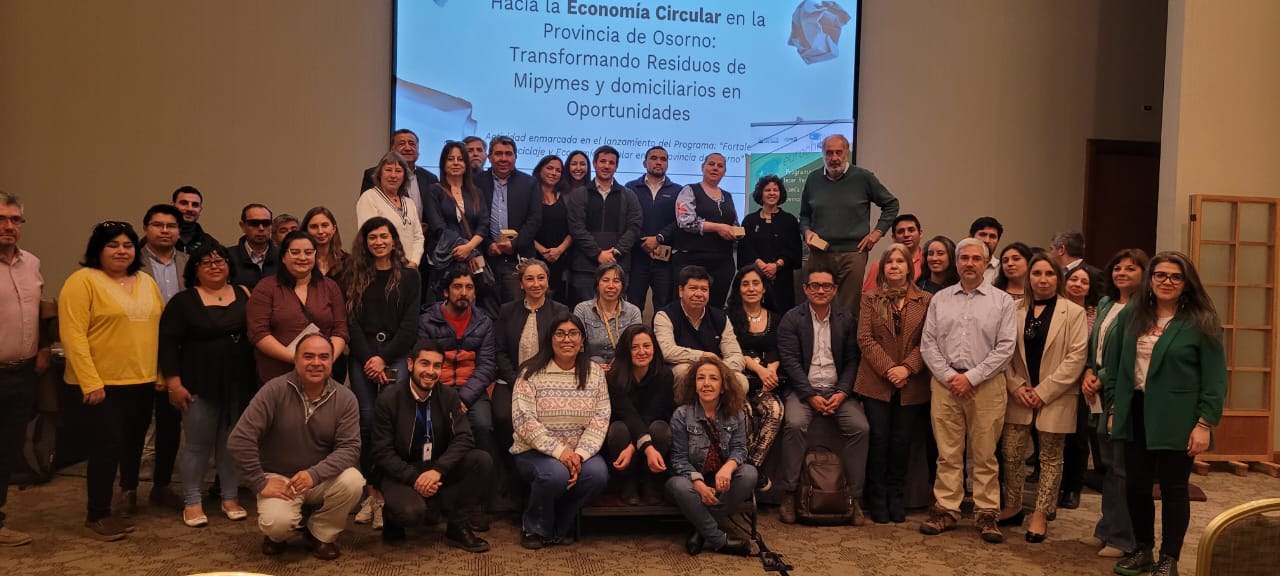
In the city of Osorno, the programme “Strengthening Recycling and Circular Economy” was launched at the Sonesta Hotel. This programme is financially supported by the Regional Government of Los Lagos through the National Fund for Regional Development (FNDR). The main objective of this project is to strengthen and improve the associated processes to reduce the negative environmental impact caused by the inadequate management of waste, both organic and inorganic, generated in household and industrial activities in the province.

The objective of the initiative, called International Seminar: “Towards the Circular Economy in the Province of Osorno: Transforming MSME and Household Waste into Opportunities“, is to present the current situation in the Province of Osorno regarding the implementation of the circular economy, identify the main gaps and opportunities for a conscious and circular waste management.

During the event, we counted with the participation of regional authorities and experts in the field of circular economy, among which stand out: Francisco Pino Cáceres, head of the Development and Industry Division, Regional Government of Los Lagos; Jorge Pasminio, executive secretary of the Association of Municipalities of the Province of Osorno, José Aravena, executive director of the Eurochile Business Foundation; Maud Breyne, head of projects of the Sustainability and Circular Economy Area, Eurochile; Cornelia Prenzlau, manager of the Espantapájaros restaurant and president of Corporación PLOC; María José Solari, founding partner of Verde Sur; Daniel Hofstadt, former president of Corporación para la Protección Ambiental del Lago Rupanco (CPA Rupanco); and Diego Troncoso, head of the Environmental Department of Manuka.

On the other hand, the Regional Governor of Los Lagos, Patricio Vallespin, highlighted this great opportunity that is being implemented in the commune, “We know that the future is a challenge, and we are aware of the complications that we face in the Province of Osorno today. That is why we must work to turn SMEs and household waste management into opportunities. Circular economy is the way to a sustainable future. Therefore, this event that Eurochile, which is the bridge to the European Union, is organising, will be a space for meeting, reflection, analysis and future challenges“, he explains.

In addition, SMEs from the area, representatives from both the public and private sectors, citizens, associations, corporations and actors from various communes in the surrounding region participated throughout the day. This provided an opportunity to establish connections and networks between these groups, which in turn could have a positive impact on other communes.

José Aravena, executive director of the Eurochile Business Foundation, stressed that, “it is essential that companies develop a medium and long-term vision with a broad perspective of what is happening, not only locally but also globally, in order to adapt to this transition“.

Circular Economy Fair

The International Seminar was held prior to the Provincial Circular Economy Fair in Osorno organised by the Association of Municipalities of the Province of Osorno on 17 and 18 October. The event sought to generate alliances and make visible the diverse experiences of companies, educational institutions and organisations, with the main focus on waste and recycling.

Various public and private institutions, as well as educational establishments, have set up exhibitions and stands promoting their products and projects, all focused on sustainability, environmental care and circular economy.

During this initiative, the Eurochile Business Foundation was present to present the project to be implemented in the region. In addition, several workshops were held for the community, with the participation of educational institutions, public and private entities, as well as waste managers and grassroots actors.

In that sense, Erucohile’s Sustainability and Circular Economy project manager, Maud Breyne, highlights that, “we had the opportunity to educate the community on how to identify the different types of plastic, providing them with tips and rules to distinguish between them. In the end, it is essential to simplify the design of products from their conception, so that they are more adaptable and ultimately easier for the community to recycle“.

Ultimately, these initiatives help to raise awareness among the inhabitants of the region about the importance of recycling and to familiarise them with concepts related to the circular economy. This contributes to promoting the implementation of sustainable practices in the Osorno region.

Eurochile Business Foundation prepares for the Ecomondo Business Mission 2023

The Eurochile Business Foundation is preparing to carry out its Business Mission 2023. This mission, which will be led by the Foundation’s Business Cooperation team, will consist of attending, together with a group of entrepreneurs specialised in sustainability and circular economy, the Ecomondo Fair, to be held in Rimini, Italy, from 7 to 10 November. During the event, they will have the opportunity to learn about new technologies and services related to environmental protection and sustainability.

Ecomondo is an international trade fair held in Italy, focusing on circular economy and sustainable resource management. Standing out as one of the most important events in Europe in the field of green economy and sustainability, its 26th edition is presented as an ecosystem of ecological transition. It is a space for meeting and dialogue between industries, relevant actors, opinion leaders, and local authorities. It is the ideal place to address all the key elements that define the European Union’s environmental policy development strategies.

The main objective of Ecomondo is to promote the circular economy and the sustainable management of natural resources and waste, through a wide range of sustainability-related topics. These themes cover waste management, energy efficiency, sustainable mobility, water management, air pollution, renewable energy, biodiversity, eco-innovation, among others. The fair features multiple stands of European companies and offers a variety of activities, including conferences, seminars, expert presentations and panel discussions on topics relevant to sustainability and the circular economy.

As for the companies that will participate in this Business Mission, they include Volta SpA, Asipla, the Systems Biotechnology Centre of the Andrés Bello University (UNAB), the National Association of the Recycling Industry (ANIR), Resiter, Remap SpA, Kalewün, Hidronor Chile S. A., Red Pyme Mujer, Nido Biotech, Ecología en Tu Barrio, Bellbast Chile, Comberplast, Ecobio and Inmobiliaria Vega Monumental S. A. In addition, the Mayor of the Municipality of Quemchi, Luis Macías and representatives of the Regional Government of Los Lagos will participate.

The Ecomondo Business Mission will allow us to see once again how new solutions and technologies are being developed in this important field. It is a unique opportunity to learn from experts, share knowledge and establish strategic connections with European companies engaged in the area. For Eurochile, this mission is a further demonstration of our ongoing commitment to the promotion of the circular economy and sustainable development“, highlights Nina Morales, Director of Institutional Affairs and Business Cooperation at Eurochile.

During the week, companies will have the opportunity to meet with European counterparts in previously selected one-to-one meetings, access conferences, seminars and workshops of interest and participate in technical visits to waste pre-treatment plants. In addition, the objective is that the companies, among the programmed activities, can tour the fair, learn about new trends and technologies and generate their own network of contacts for future projects.

Several participating companies are travelling to Ecomondo for the first time, for others it is their second time, as they were part of the mission that Eurochile organised in November 2022. For the latter companies, their interest in travelling again is to close agreements and alliances that they generated last year, but also to learn about the latest trends and strengthen the contacts generated.

Ultimately, these initiatives developed by Eurochile allow entrepreneurs to strengthen their knowledge on trends and new technologies that are being used in Europe in relation to sustainability and circular economy. Moreover, this mission adds to the trajectory that the Foundation has been following in terms of helping SMEs to adopt more circular practices.