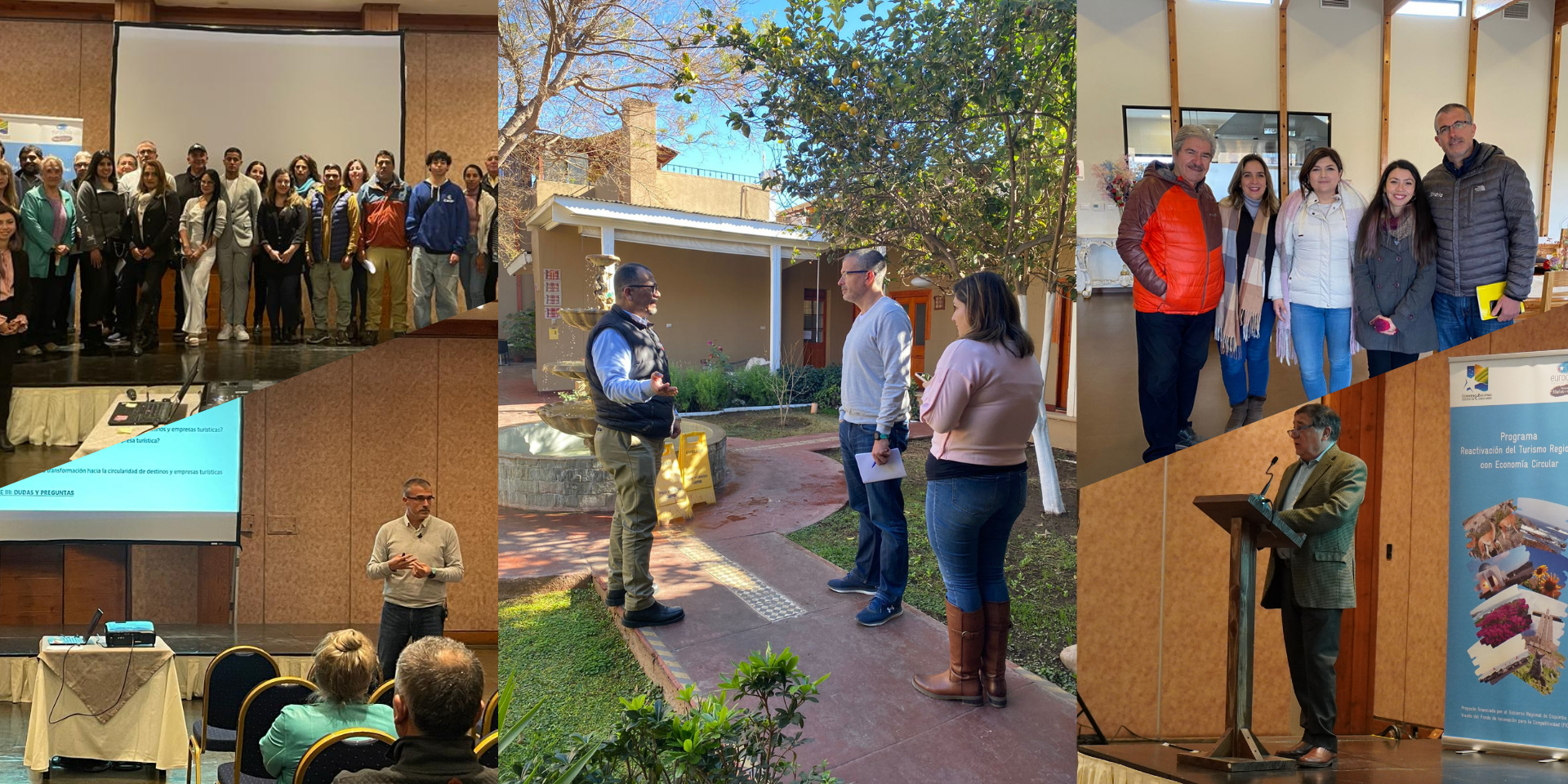
With the aim of fostering the development of micro, small and medium-sized tourism enterprises (MSMEs) in the Coquimbo Region, the Eurochile Business Foundation is implementing the "Reactivation of Regional Tourism with Circular Economy" programme. Financed by the Regional Government through the Innovation Fund for Competitiveness (IFC) and with a duration of 18 months, this programme seeks to contribute to the sustainable transformation of local tourism activity through the application of innovative tools.
Marilú Mansilla, project executive of Eurochile's Sustainability and Circular Economy Area, presented the progress of the programme in the Region, highlighting that, through the integration of the Circular Economy, new sustainable measures are being implemented in tourism companies.
"The Coquimbo Region has great potential for the development of sustainable tourism, especially in its ecosystemic environment. During the year 2023, we carried out various dissemination activities that have contributed to the formation of companies with knowledge in circular economy applied to the local tourism industry", she highlighted.
She also highlighted the progress of the initiative and the interest shown by the participants. She explained that they are seeking to initiate a process of transition towards circularity in a collaborative manner, with the aim of integrating the circular economy into tourism products and experiences that are already being marketed by companies. This is done with the aim of generating tourism products and services that have a lower environmental impact.
"The region already has a base of companies working in sustainable tourism that, without knowing it, were incorporating the circular economy. Thanks to the dissemination workshops, they have been able to acquire knowledge and value the work they are already doing", she emphasised.
Training and capacity building for 200 MSMEs in tourism
During 2023, the Eurochile Business Foundation carried out a survey of sustainable and circular tourism enterprises and their suppliers in the Coquimbo Region as part of the implementation of its programme. In addition, field meetings were held with tourism groups and workshops were held as part of a training plan aimed at 200 tourism MSMEs in the Region. These workshops were attended by European experts, who shared their experiences and knowledge on the application of the circular economy, specifically in tourism.
There is now ample scope for tourism to mitigate its negative externalities by adopting more energy, water and resource-efficient technologies and practices.
For this year, the programme includes training workshops on: "Strategies for the reactivation of sustainable tourism, digitalisation and green digital marketing", with the aim of building and promoting tourism products and experiences that integrate quality and sustainability, taking advantage of the cultural and natural resources of the territory. It also includes the design and implementation of a Dissemination and Communication Plan to reposition tourism in the Coquimbo Region, following a circular and sustainable logic.
During the first week of December 2023, the sustainability and circular economy team of the Eurochile Business Foundation, as part of the implementation of the Strengthening Recycling and Circular Economy programme of the Regional Government of Los Lagos, was present in the province of Osorno conducting workshops aimed at collectors and local residents where they had the opportunity to learn about the optimisation of resources through European experiences.
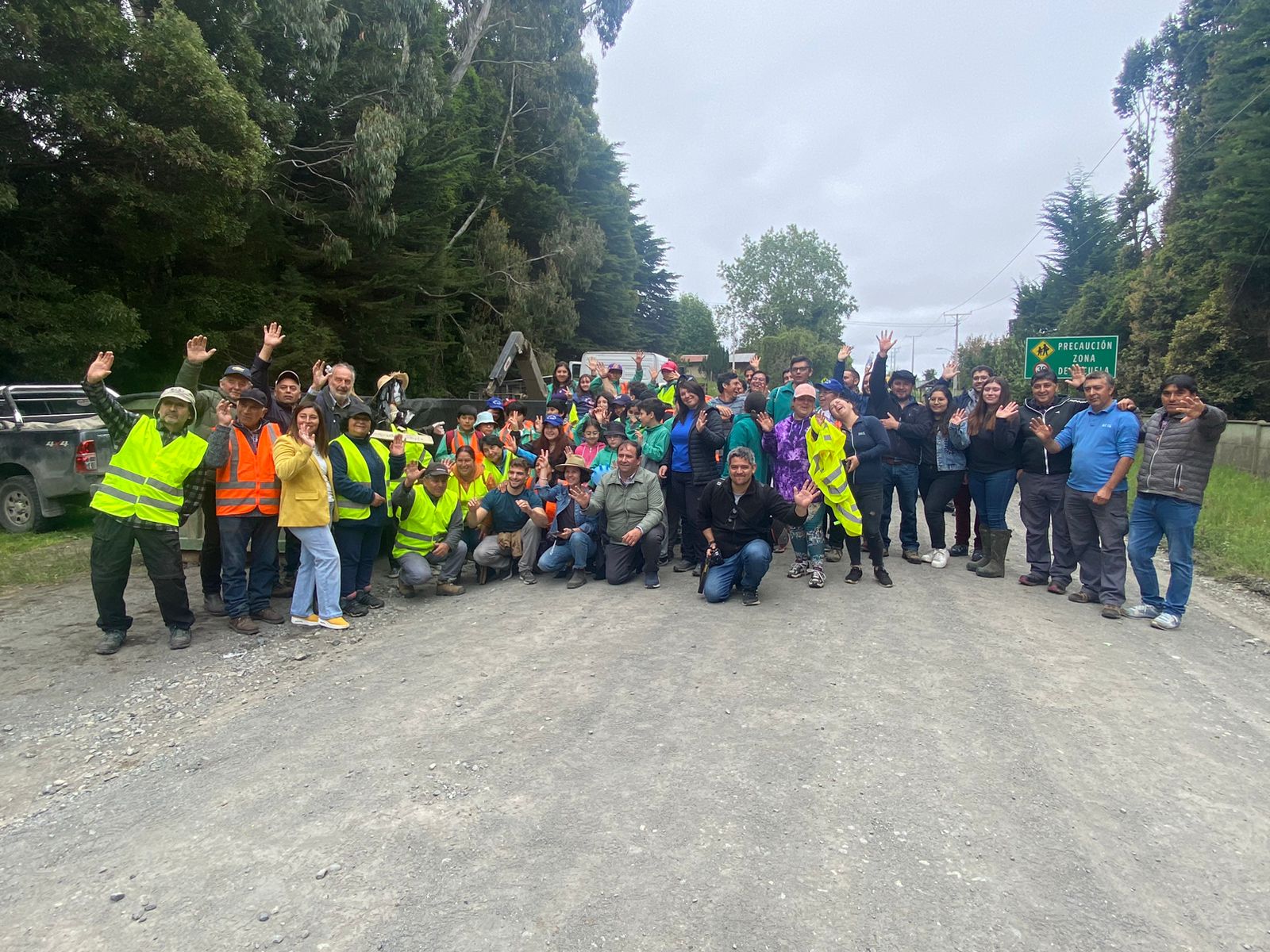
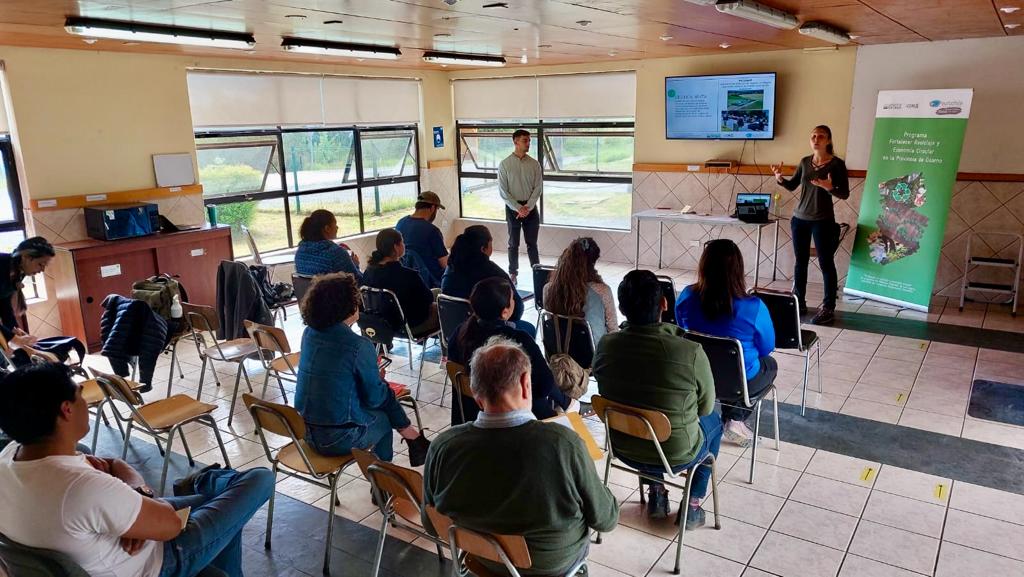
In this context, on 05 and 06 December in the communes of Puyehue and Lago Rupanco, various activities were carried out, including workshops such as "Co-creating synergies for a circular management of waste from businesses and households", given by the Spanish expert Ferran Climent. In addition, visits were made to waste collectors and a clean-up day on the Rupanco Lake road, in collaboration with the Islote Rupanco School, which is actively engaged in promoting environmental education.
Maud Breyne, project manager at the Eurochile Business Foundation, points out that, "Children play a key role in changing the mentality of their families and environment. This change is materialised through the creation of a clean point in the school, the implementation of activities such as lumbering and a nursery. Participation in clean-up days highlights the commitment, where the community, together with external support, play a crucial role in waste recovery, with the children being the protagonists in these initiatives".
In addition, the participation of the Spanish expert was fundamental in the workshops, as he was able to share his experience and European perspective on waste management, helping to gather information and highlight key issues. This knowledge will be used to develop local implementation plans to improve waste management capacity in each area, leaving an action plan for local benefit.
In relation to that, Breyne highlights the motivation on the part of the attendees to learn about these issues and the resources available in each of the areas. "Based on these elements, we used the community resources as a basis for the creation of the implementation plan that our expert is currently designing. This plan is inspired by European success stories, and the initial phase is currently underway".
In summary, both the collectors and the inhabitants of the province of Osorno show a remarkable willingness to go ahead with the project focusing on recycling and waste management. The aim is to provide them with support and develop an action plan that will raise the level of circularity in the region. This will enable the community to identify and adopt various processes that will lead them towards more sustainable practices.
On Wednesday 27 December, at the age of 98, Jacques Delors, former President of the European Commission and a key figure in the expansion of the European Union, passed away. During his ten years of leadership of the European Commission, he marked significant milestones such as the implementation of the Single Market, the creation of cohesion funds, the signing of the Schengen Treaty, the expansion to Spain and Portugal, the introduction of the Single Act which replaced the Treaty of Rome, the establishment of the Erasmus programmes, the formulation of the Common Agricultural Policy and the ratification of the Maastricht Treaty.
In 2015, the European Union recognised his legacy and valuable contribution by awarding him the title of honorary citizen of Europe, a distinction shared only with Jean Monnet and Helmut Kohl.
It is worth noting that on 12 December 1993, in an official ceremony, Jacques Delors and the President at the time, Patricio Aylwin, signed a joint commitment to cooperate and work for the benefit of small and medium-sized enterprises (SMEs). This act marked the beginning of the Eurochile Business Foundation, a pioneering initiative of collaboration between the European Commission and the State of Chile.
Opinion column written by Manuela Caruz, Director of International Networks of the Eurochile Business Foundation.
The Eurochile Business Foundation as a business bridge between Chile and Europe, through the EEN network and other multiple European networks, has consolidated the role of knowing first hand the challenges and strategies that are being managed in Europe and that can be replicated and transferred to SMEs and institutions in Chile.
Since 2008, the Eurochile Business Foundation has been part of the Enterprise Europe Network (EEN), a tool that supports business cooperation, aligned with Eurochile's mission to create, promote and consolidate economic, commercial and technological links between Chilean small and medium-sized enterprises (SMEs) and institutions, with those of the nations that make up the European Union - both public and private - as a facilitator in the process of internationalisation of SMEs.
Through the EEN network, it is possible to identify and create spaces for cooperation, as well as to foster and promote relations with both national and European companies. Today, the EEN network is not only limited to internationalisation; it also offers advisory services in export, international trade, intellectual property, training, among others, covering the whole spectrum of research, innovation and technological development. Companies benefit from a customised action plan through the elaboration of technology and/or commercial profiles. They are provided with exchange opportunities with European partners, and are followed up on any expressions of interest shown by other clients, in addition to networking events.
Today's economic environment is increasingly dynamic, digital and global, which is why SMEs are forced to perform in a highly competitive context, where success not only depends on high productivity and efficiency, but also entrepreneurs must have the skills, knowledge and connections to ensure the successful internationalisation of a business.
Businesses have found ways to make connections, reach out and foster relationships in order to create spaces for cooperation. Technologies have become a fundamental tool to facilitate connection, rapprochement, work and study. In the face of economic and social impacts, these technologies have been opportunities to improve strategies, management and work processes.
In this context, meetings, business rounds and virtual distance activities have brought Chilean and European companies closer together in a more direct way, opening up a series of opportunities for cooperation and internationalisation that were previously slower and more difficult.
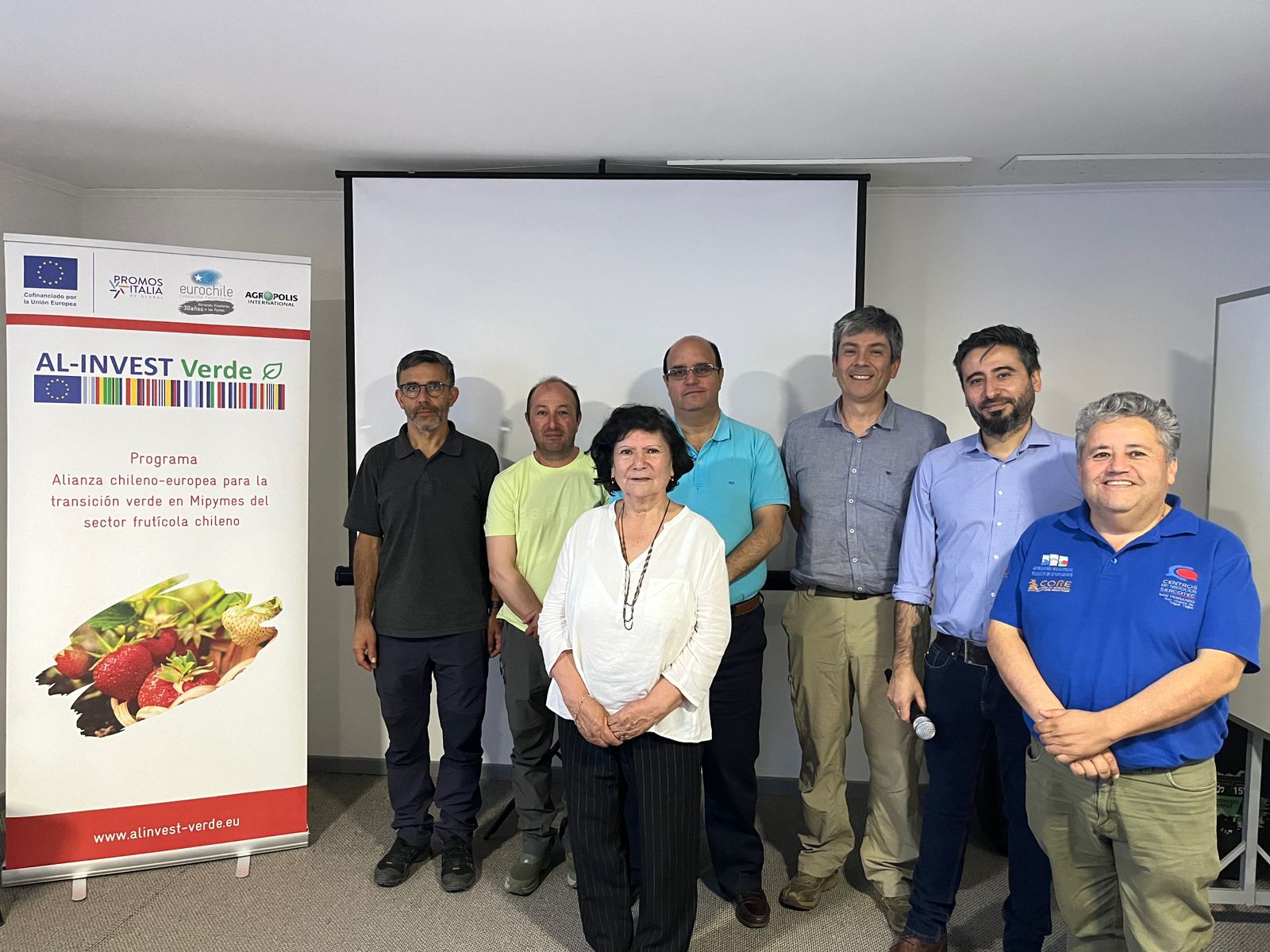
On 7 December, the Eurochile Business Foundation, as part of the AL-INVEST Verde Fruit programme, held the workshop "Detection of new businesses, improvements and circular solutions in fruit production" in the commune of San Fernando, O'Higgins region, where agricultural producers had the opportunity to explore new forms of business and implement circular practices on their land.
Rodrigo Silva, project manager of the Sustainability and Circular Economy area of the Eurochile Business Foundation, was in charge of delivering this activity. During the workshop, he addressed the key points so that participants could learn more about the circular measures they can incorporate in their productions, as well as the solutions they can obtain by adopting the circular economy.
Juanita Sánchez Barrera, a walnut and avocado grower, who travelled from Lolol exclusively to participate in the workshop, said: "I am very happy, as it represents a valuable help and contribution to implement in the field. This programme has been very useful for me, and I will apply many of the things I learned in today's workshop in my farm".
On the other hand, it is worth noting that, during the talk, several of the producers showed a greater interest in the topic and in the background of the circular economy. For them, this model is increasingly being incorporated into the Chilean agricultural sector. As Marcelo Águila, a worker in the fruit industry, points out, "these workshops provide additional tools to recycle, reduce costs and, obviously, to be in line with what foreign clients are asking for. As Rodrigo mentioned, they are waiting for us to adopt this kind of approach to consider us in future productions".
Also, Pablo Navarro, member of the San Berries of Chimbarongo Cooperative, adds: "We signed up to participate in these trainings, both online and in person, with the aim of acquiring new knowledge about the technology and machinery presented, both from France and Italy. These machines are in line with the renewal that is currently expected in the context of the circular economy, allowing us to develop a more sustainable and agro-ecological cultivation".
In short, producers have taken advantage of these instances implemented by Eurochile in the framework of the project aimed at the Chilean fruit sector. They have participated actively, showing interest in the subject and recognising the effectiveness of incorporating the circular economy in the agricultural sector. They have also understood the importance of adapting to consumer demands and market requirements, both nationally and internationally.
The first edition of the Agro Trade 2023 event, organised by the Sercotec Business Centre of San Fernando and San Vicente, was held on 12 December at the Piedra Río Events Centre in San Vicente de Tagua Tagua, O'Higgins region. This event, whose purpose was to generate an instance of connection, brought together relevant actors of the ecosystem, as well as industries in the agricultural and tourism sectors of the region.
Likewise, the participants of the activity had the opportunity to attend various talks led by experts in innovation and sustainability. The fair established spaces dedicated to the promotion and visibility of entrepreneurs who offer products and services outside the traditional supply chain.
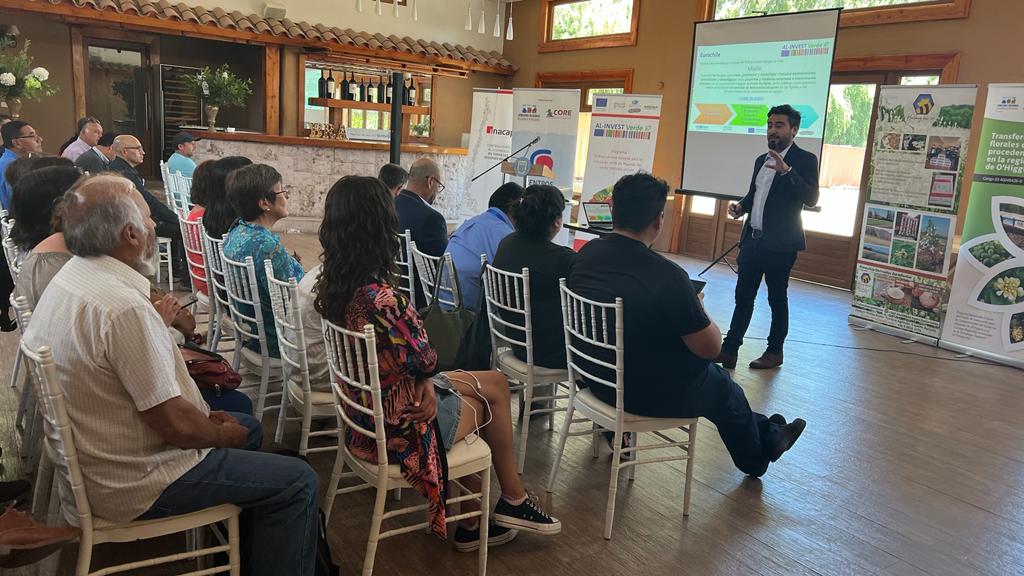
In this sense, Rodrigo Silva, project manager of the Sustainability and Circular Economy area of the Eurochile Business Foundation, was present at the event. He spoke about "Sustainable Agriculture and Circular Economy", where he also presented the functionalities of Eurochile and the AL-INVEST Verde Frutícola project, which is being implemented in three regions of the country, including the O'Higgins region. This initiative aims to help producers to obtain circular tools to apply on their land.
"It was a very enriching experience. I had the opportunity to present Eurochile to producers and professionals linked to the agricultural sector. In addition, I shared information about the circular economy, highlighting practices such as the incorporation of waste and rainwater harvesting, which are fundamental in circular and sustainable agriculture", says Rodrigo Silva Muñoz, project manager at Eurochile.
Silva Muñoz adds that in Chile, agriculture that implements sustainable and circular practices is being carried out. However, many producers, especially those not focused on exports, are unaware of these practices. Generally, producers who adopt circular measures are those who are export-oriented and motivated to comply with regulations, such as the Global Gap sustainable certification, for example.
All in all, the Agro Trade San Vicente 2023 was a significant event that brought together diverse actors to explore innovations and circular practices in various fields. Eurochile's participation strengthened the exchange of knowledge, contributing significantly to the implementation of new measures that promote sustainability and efficiency in Chilean agriculture.
RedEcoec is a business group whose purpose is to generate a significant impact on the three pillars of sustainability: Economy, Environment and Society. Its main focus is to boost the competitive advantage of companies through the strategic application of the principles of the Circular Economy and Industrial Ecology. This objective is achieved through the establishment of synergetic networks between companies, organisations and public entities, with the aim of minimising waste generation as much as possible.
It also carries out analyses and diagnoses of available resources, enabling it to propose innovative solutions through collaboration between different value chains and sectors. The goal is to transform individual weaknesses into collective strengths, thus promoting a more efficient use of environmental resources and giving rise to the creation of Circular Communities.
In this regard, we had the opportunity to interview Ferran Climent, Spanish expert in Circular Economy and co-founder of RedEcoec, who participated in the workshops held in Puyehue and Rupanco, Osorno, as part of the programme "Strengthening Recycling and Circular Economy in the Province of Osorno". This programme is financially supported by the Regional Government of Los Lagos through the National Fund for Regional Development (FNDR). Its main objective is to strengthen and improve the associated processes to reduce the negative environmental impact caused by the inadequate management of waste, both organic and inorganic, generated in household and industrial activities in the Province.
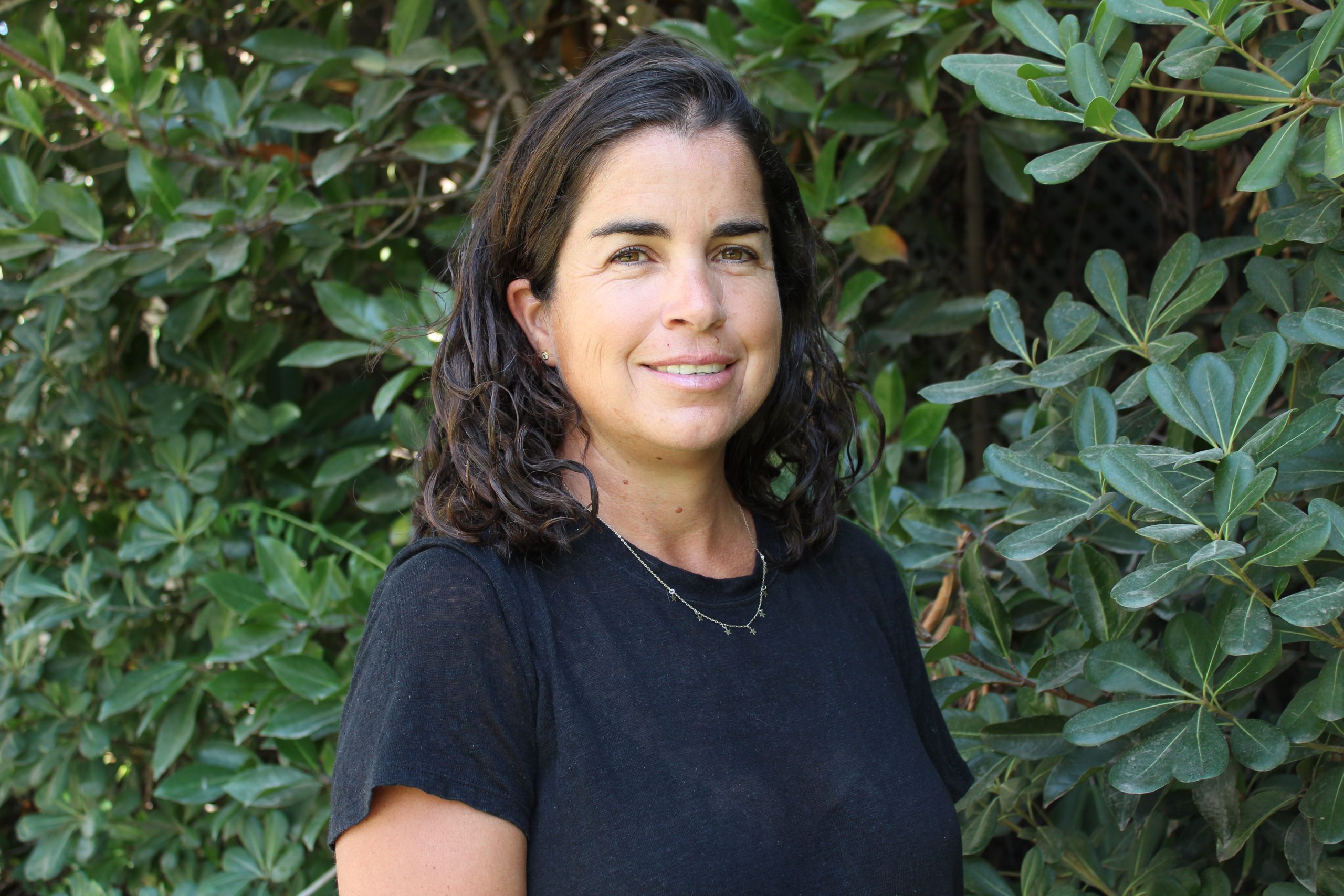
On the right, Ferran Climent, Spanish expert in Circular Economy and co-founder of RedEcoec.What are the current challenges in waste management?
The current challenges we face in the province of Osorno, specifically in the communes where we will carry out the project, Puyehue and Rupanco, are mainly focused on rural isolation and disconnection from the urban population. In order to effectively address the integrated management of the territory, it is essential to establish lines of collaboration with the most remote municipalities, companies and communities. We seek to ensure that management strategies are efficient in terms of both environmental and economic impact, carefully considering the costs associated with waste removal.
What are the waste reduction trends that can be adopted in everyday life?
In terms of citizen participation, there are a number of actions that can be addressed. One of the key problems is organic waste management, and individual composting is a prominent solution, especially for those who have their own land, as this could result in a 50% reduction of waste generated. On the other hand, when considering the category of mixed waste, which includes paper, cardboard, plastic and glass, plastic, in particular, stands out as the main problem and, at the same time, as one of the most easily solvable. This can be achieved by replacing single-use bottles with reusable options. In addition, it is important to note that glass and cardboard present simpler disposal alternatives, either through local recyclers or municipal waste management. The possibility of using and reusing glass or cardboard packaging, as observed in various practices throughout the project, emerges as a viable alternative to plastic consumption and its consequent environmental impact.
What innovative technologies are currently used to regulate both household and industrial waste management?
In relation to organic matter, one of the technologies that can be used is the one that was explained in objective 1 of this project during the workshop: the use of the TUMH compost calculator. Every farmer, producer or person with a composter can use this application to create quality compost from organic materials, both dry structurants and fresh organics. Step by step, using this application, they can see how the fertility of the compost they are going to use improves and how they can improve the properties of the soil in a simple and easy way, educating themselves in the process.
In terms of new technologies that we will address for the agri-food industry in the next workshop, we will present "Food waste for food back". In this workshop, we are transforming waste, especially from the fruit and vegetable sector, which has a fibre base. We are looking to replace low-quality plastic-derived packaging with this new plant fibre. This new packaging not only addresses the environmental problem, but also the economic problem associated with the purchase and generation of plastic packaging, allowing the reuse of a resource that previously ended up in compost or landfill. This adds value to the packaging of fruit and vegetables destined for consumers.
Another innovative technology proposal comes from Belgium, the company Ecovative, which uses organic matter to grow mushrooms. The edible part of these mushrooms is distributed in the agri-food sector, while the mycelium, the vegetative part, is used in various industries. This includes the packaging sector, where the shape of the object determines the adaptation of the packaging, thus eliminating the use of polypropylene. In addition, these mycelia are used in the cosmetics industry, the production of fibres for new fabrics from plant forms and in the creation of new bio-based materials by loading this organic part of the mycelium.
What are the government policies in Spain related to recycling and waste management?
In Spain, as in all member countries, in response to the European Green Pact, derived from the Economy for the Common Good movement in 2015, which promoted corporate social responsibility of companies, a circular economy is sought to be achieved through three main legislations at European level. At national level, in Spain, these directives have already been transposed, and in our territory, as is the case of the Valencian Community, we already have our own legislation at regional level. We are referring to the areas of waste and contaminated soils for a circular economy, where the aim is, on the one hand, to reduce prices that do not promote the circular economy and, on the other hand, to establish economic funds to encourage companies to take this step, through different articles and lines of financing.
In addition, a new law has been introduced, which did not exist before this new legislative package of the European Green Pact: the law on energy transition and climate change. This law adapts specific measures to each territory according to its climatic characteristics and associated risks, both for public administration and the private sector. It addresses issues such as energy transition to eliminate fossil fuels and promote the use of renewable energies, as well as protection against events such as floods and changes in crops due to temperature increases, among other actions.
Finally, the third most relevant law, approved in the Valencian Community and also in process in Chile, is the law on reinforced social and corporate responsibility. In Spain, specifically in the Valencian Community, to incentivise good business practices with recognition and prizes, between 30% and 40% more points are awarded in public tenders for the administration. This applies if companies carry out environmental and social actions, especially in the field of education. To obtain these benefits, companies must go beyond being merely economic by calculating their carbon footprint, implementing equality plans to promote gender equity and fulfilling other corporate social responsibility requirements.
What Spanish circular practices can be replicated and applied in Chile?
In terms of sustainable practices, we will address two different approaches. On the energy side, we would like to introduce the concept of a local energy community, where the municipality, citizens and businesses work together to establish a renewable energy cooperative. In the case of the Valencian Community, solar panels are the most efficient option due to solar radiation, although sources such as wind or tidal energy can also be considered. This approach involves the creation of a community among the owners of these infrastructures to facilitate the exchange of energy and promote sustainable consumption. This model decentralises energy consumption, reducing dependence on non-renewable sources such as coal, granting energy sovereignty and establishing fair prices based on the useful life of the energy, avoiding market volatility and allowing self-sufficiency for the population.
In the industrial sphere, in the Valencian Community and at the national level in Spain, entities for the management and modernisation of industrial areas are being implemented. In these associations, entrepreneurs collaborate to address energy, raw materials and infrastructure issues with a management entity that acts as a spokesperson for the entrepreneurs before the municipality. This public-private partnership aims to keep the companies, which generate economic wealth for the municipality, satisfied. In this context, industrial symbiosis practices are carried out as part of the management and modernisation of industrial areas. This involves exploring exchanges of waste that can be converted into raw material for other companies, as well as collectively managing common waste between producers to reduce costs and impacts. The possibility of joint purchases of the same raw material to optimise resources is also considered.
After your visit to the Province of Osorno, what challenges do companies face in the short and long term?
After the first few days of field visits, we have been able to draw some conclusions, although further visits are needed. We noted that it is crucial to strengthen collaboration between companies and foster greater mutual understanding in order to reap the benefits inherent in the circular economy, which is based on collaboration. Industrial symbiosis, which involves collaboration and getting to know each other, identifies opportunities to save money and reuse each other's actions. At the industrial level, especially in more tourist and commercial sectors, it is clear that companies need to come together and work together to manage waste properly, which in turn will contribute to cost reduction. Furthermore, this collaboration will provide a competitive advantage and a differentiator in the face of increasingly conscious consumers, as sustainable practices offer added value when making consumption decisions.
How can Chilean companies be motivated to continue implementing circular measures?
To motivate companies, the first step is to clearly show them the economic return they can achieve, not only in the short term, but also in the medium and long term. These actions, which involve changing the way they work, can offer a more sustainable business journey through new practices. Sustainability, as the word itself suggests, implies maintaining the same activity over a longer period of time. Applying circular economy approaches will enable companies to engage local suppliers without sourcing risk, foster stronger business relationships with local customers and facilitate loyalty. In addition, these practices can help to expand into international markets, differentiate and position themselves with a circular commitment. The Circular Economy should therefore be seen as a strategy, not as a sudden change, but as a transition that will bring long-term benefits.
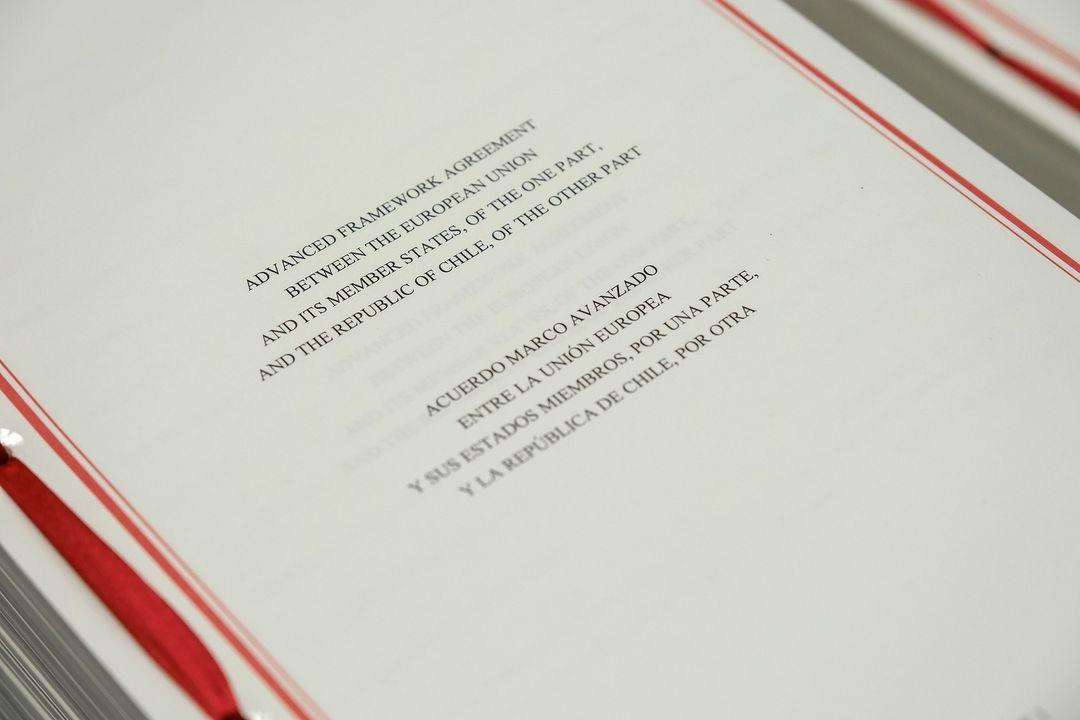
On Wednesday 13 December 2023, Chile took a significant step towards strengthening its ties with the European Union by signing the Advanced Framework Agreement (AFA), which modernises the current Association Agreement in force since 2003. This agreement, signed at an official ceremony in Brussels, marked a milestone in bilateral relations between the two parties and promises to strengthen cooperation in several areas.
The ESA strengthens cooperation in areas reflecting common values and principles, such as the promotion of democracy, human rights and fundamental freedoms, the rule of law and good governance, sustainable development, the environment, among others.
For Chile, the Minister of Foreign Affairs, Alberto van Klaveren, signed on behalf of Chile, while for the European Union, the Minister of Foreign Affairs, European Union and Cooperation of the Kingdom of Spain, José Manuel Albares, and the High Representative of the Union for Foreign Affairs and Security Policy and Vice-President of the European Commission, Josep Borrell, signed on behalf of the European Union.
This treaty represents a renewed commitment to international collaboration and sends a clear message about the importance of strengthening ties between regions in an interconnected and ever-changing world.
In terms of market access, the new agreement will expand the percentage of products covered by any tariff reduction by the European Union from 94.7% to 99.6%. It will also expand the recognition of geographical indications for Chilean agricultural products and will have chapters dedicated to Gender and Trade, Small and Medium Enterprises, Sustainable Food Systems, Digital Trade, Energy and Raw Materials.
"This agreement marks a crucial milestone in our international relations. At Eurochile we have been working for 30 years to support Small and Medium Enterprises, and this Advanced Framework Agreement not only consolidates links, but also opens up new opportunities for companies. This allows us to continue with our commitment to guide SMEs in their internationalisation processes, promoting technological and commercial opportunities, generating various business initiatives that connect Chilean companies with European counterparts and taking advantage of our experience and extensive network of contacts", highlights José Aravena, Executive Director of the Eurochile Business Foundation.
With this agreement, the relationship between Chile and the European Union is expected to reach new heights, generating mutual benefits in terms of trade, economic cooperation and sustainable development. The agreement enters into force once the parties complete the respective legislative and administrative procedures in the countries that make up the European Union and in the Chilean National Congress.
Hercal Diggers is a family business with 16 years of experience specialising in demolition, demolition and the execution of civil works projects, ranging from excavation and earthmoving to the final delivery of the work. Dedicated to implementing a sustainable management model by adopting the ISO 14001:2015 standard, a set of environmental management documents that regulates the aspects of Hercal's administration from the perspective of environmental responsibility.
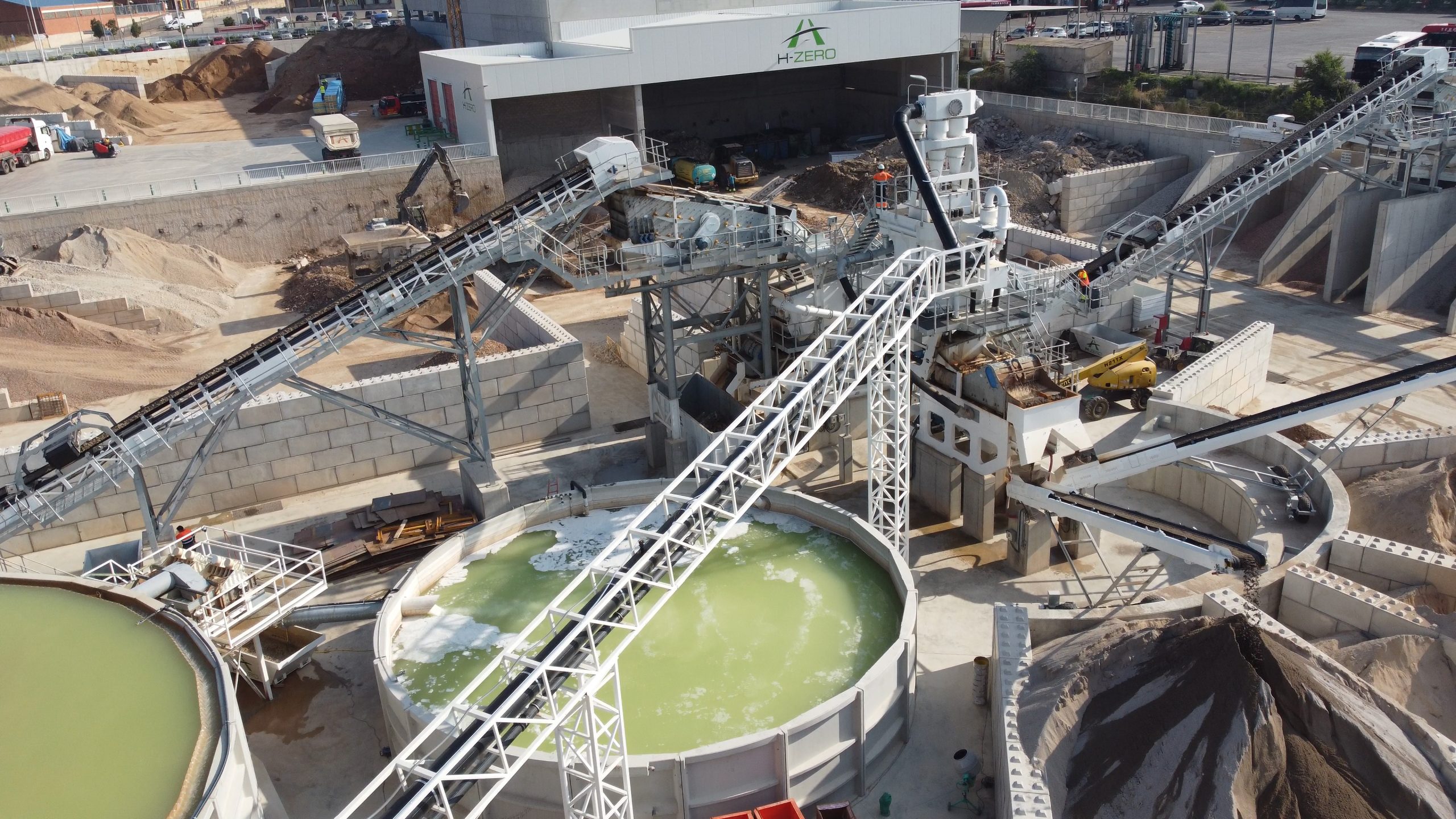
This comprehensive system is based on a process of continuous improvement, committed to environmental responsibility in order to reduce the impact of its operations on the environment as much as possible. It also has a plant called "H-Zero", the first in Spain dedicated to the recovery and washing of construction, excavation and demolition waste, with the aim of obtaining a recycled aggregate of excellent quality.
For Hercal, demolition is not the end, but the beginning of a new life cycle for materials. Beyond waste management, they transform each demolition into a resource bank, reusing waste for the manufacture of sustainable concrete. This approach not only minimises environmental impact, but also reduces the exploitation of natural resources, demonstrating that the circular economy and real sustainability are essential advances in the construction sector.
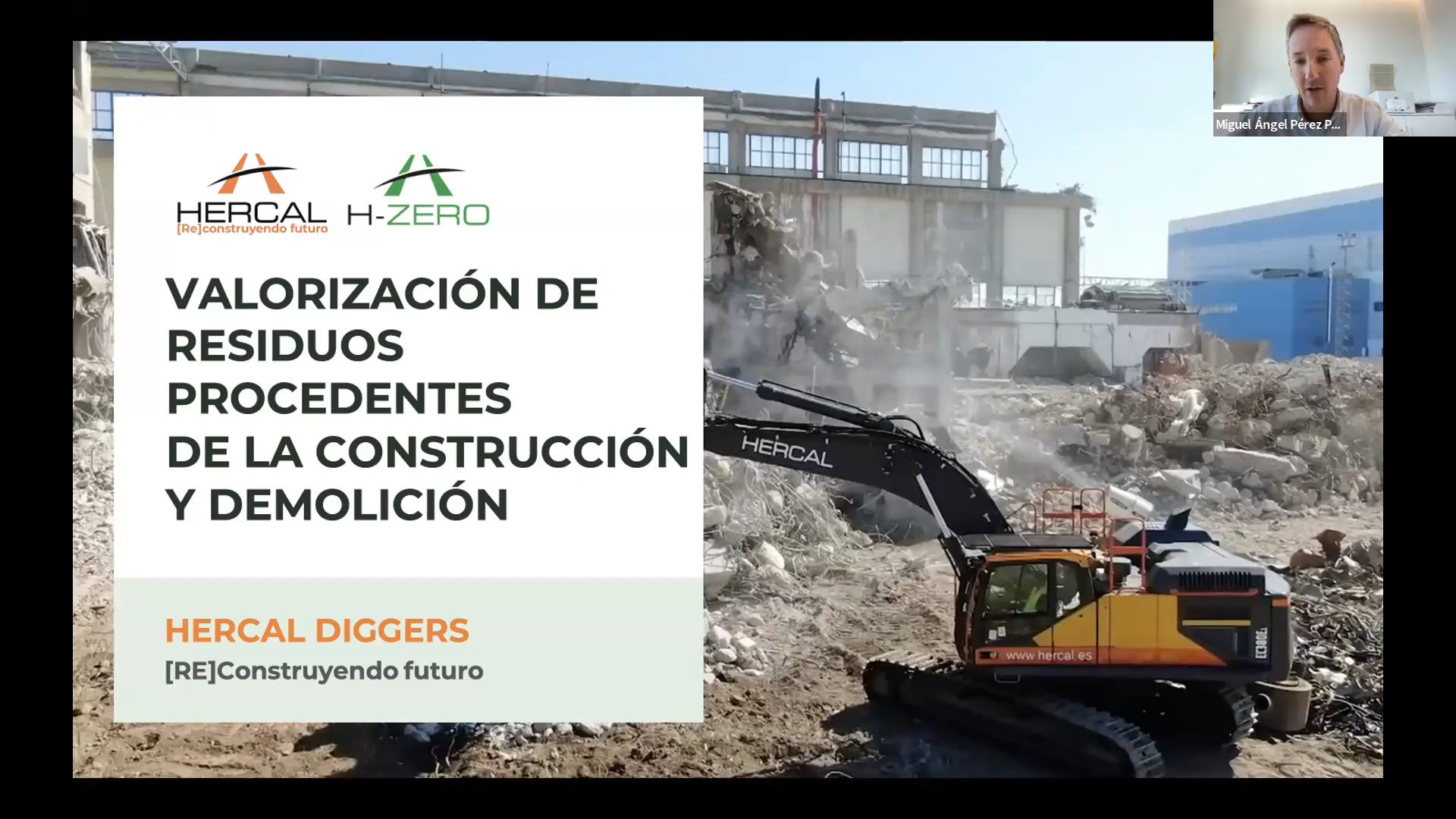
For this interview we had the opportunity to talk to Miguel Pérez Peñalva, manager of Hercal Diggers, who took part in the webinar "European experience in the recovery of waste from the construction sector" held as part of the AL-INVEST Verde Construction project on 8 November, and who spoke about the various circular systems that the company is implementing in relation to the recovery of waste generated by the construction sector, as well as the production of sustainable concrete through its innovative "H-Zero" plant.
Miguel Pérez Peñalva, manager of Hercal Diggers, in the webinar "European experience in the recovery of waste from the construction sector".
How did the need to implement circular systems in your company arise?
There are personal reasons that make us extremely sensitive to environmental care. As we watch landfills fill up with reusable materials, we realise that, as a society, we are not doing something right.
In addition, there are business reasons behind our environmental concerns. We like to analyse international practices, to examine technologies applied abroad. It was then that we identified technologies for the recovery of construction and demolition waste (CDW) that we could implement in Spain. Although in the short term this represents an investment and an additional burden, we are convinced that in the future it will become a competitive advantage.
How do they go about identifying which demolitions to carry out? What pre-demolition steps do they need to take?
We analyse demolition requests from both private and public clients. We evaluate those that best align with our values, giving priority to clients who appreciate respect for the environment and require technical and complex demolition, among other criteria.
Before starting any demolition, we carry out a detailed analysis of the project and the state of the installation to be demolished. Based on this assessment, we identify all the materials that can be recovered, such as glass, wood, false ceilings, cables, furniture and doors, before proceeding to mechanical demolition with heavy machinery.
Selective demolition marks the beginning of the process, where we carefully separate reusable materials (first phase). Subsequently, we start the mechanical demolition using the appropriate machinery according to the specific characteristics of each demolition.
How can companies be encouraged to become more sustainable and environmentally conscious? And what strategies should be used to help them identify long-term benefits and opportunities?
For companies to become more sustainable, it is essential that they first become more sustainable financially. Companies cannot be required to adopt sustainable practices at the expense of worsening their financial performance. At Hercal Diggers, we have taken an exceptional step, as the owners have decided to risk everything in order to leave a better world for future generations, but this is not and cannot be the norm.
On the other hand, the public administration has the capacity to effectively incentivise business sustainability. It can easily achieve this by awarding favourable scores in public tenders to companies that use recycled aggregates on their construction sites, use low-emission concrete, commit not to send rubble to landfills or use hybrid machinery.
In addition, there are other tools such as tax incentives, green public procurement criteria and the requirement for public projects to use sustainable materials. This would generate an increase in demand for sustainable products, giving many companies the opportunity to negotiate and invest in sustainability.
What has been the experience with eliminating the use of landfills for construction debris?
Unfortunately, Spain has not yet banned the disposal of construction debris in landfills, and in the short term, it does not seem that this ban will be implemented. In Northern Europe, on the other hand, the situation is different. Substantial fees are charged for depositing construction debris in landfills, amounting to €60-70 per tonne in some countries. These fees have a deterrent effect, providing an incentive for the rubble to go to Recovery Plants.
In Spain, the situation varies (with a fee of €3/tonne in Catalonia and €1.5/tonne in the rest of the country). This means that it is often cheaper to transport construction debris to landfill, despite paying a higher fee, than to take it to a recovery plant located a few kilometres further away from the site than the landfill.
In my view, only construction debris that cannot be recycled, i.e. that is too contaminated and cannot be recovered, should be sent to landfill.
What are the environmental benefits of scrubbing treatment compared to traditional construction waste management methods?
Washing construction debris results in high quality recycled aggregates, which can "replace" natural aggregates in various applications such as structural and non-structural concretes, precast, granular layers and mortars.
This process has a significant environmental benefit, as for every tonne of washed recycled aggregate produced, one tonne of rubble is prevented from ending up in landfill, while one tonne of natural quarried aggregate is prevented from being extracted.
How is the quality of the resulting material guaranteed after the washing process?
Through the washing process, we remove "impurities" such as wood, plastics, porex and some mortar. This procedure is carried out in a large washing chamber equipped with two augers, which allow the stones to collide with each other, freeing them from all impurities. As the washing chamber is filled with water, these impurities float on top and can be easily removed.
The main "advantage" of washing is the increased homogeneity of the final product, which is crucial for the use of washed recycled aggregates in more demanding applications. The washed aggregates we produce are CE Certified, which guarantees that the process has been carried out diligently.
How has the implementation of sustainable concrete been received both by today's society and by construction professionals?
The beginnings have not been easy. Firstly, recycled aggregate does not have a good reputation (there have been many irregularities in recent years, and people tend to call anything recycled aggregate). This perception generates mistrust among users.
Moreover, at present, we cannot compete in terms of price with conventional concrete. In Spain, our competitors are the quarries, which obtain the product by blasting and crushing the material. In contrast, we have made a considerable investment in land (industrial use), machinery and personnel necessary to carry out not only the crushing, but also the process of cleaning, washing and management of impurities.
Fortunately, more and more clients are becoming more aware of and sensitive to sustainability issues, and even value and demand that the works are sustainable and environmentally friendly. This is where sustainable concrete with washed recycled aggregate has great potential.
How are Spanish regulations on the use of sustainable concrete developed?
Spanish regulations on concrete with recycled aggregate lag significantly behind other European regulations. For example, the Structural Code of 2021 does not present any new developments in this aspect compared to EHE-08, the previous regulation dating back 13 years.
The current standard does not allow the use of mixed recycled aggregate (which includes ceramic material) or the use of recycled sands, even if they come from the recovery of concrete.
Fortunately, in 2024, Eurocode 2 will come into force, a European-wide concrete standard that includes Annex N, addressing the use of recycled aggregates in concrete with much more ambitious percentages than those allowed by current Spanish regulations. However, it is important to note that this annex will not be mandatory, as each country will have the option to adhere to it or to apply its own restrictions.
How to reduce carbon emissions in sustainable concrete production?
90% of the carbon emissions generated by concrete are due to cement. For this reason, efforts are currently focused on manufacturing low-emission cements. To do this, it is essential to reduce the percentage of clinker needed to manufacture cement, which is achieved by using secondary materials, such as recycled aggregates.
What is the contribution of technological innovation to the development of more sustainable building practices?
Technological innovation is key to developing more sustainable building practices. It is the first step that every company must take before implementing a new product or application.
In our case, prior to the investment in the H-ZERO Valorisation Plant and the acquisition of the washing machinery, we carried out an R&D project in collaboration with the Polytechnic University of Catalonia. From the rubble generated in our works, we managed to obtain washed recycled aggregates through manual processes, which were subjected to trials and tests, which was of great value to the collaboration between the university and the company.
If you want to see the presentation of Miguel Pérez Peñalva, manager of Hercal Diggers, we invite you to watch the following video:
https://youtu.be/hozu2q7JQvs
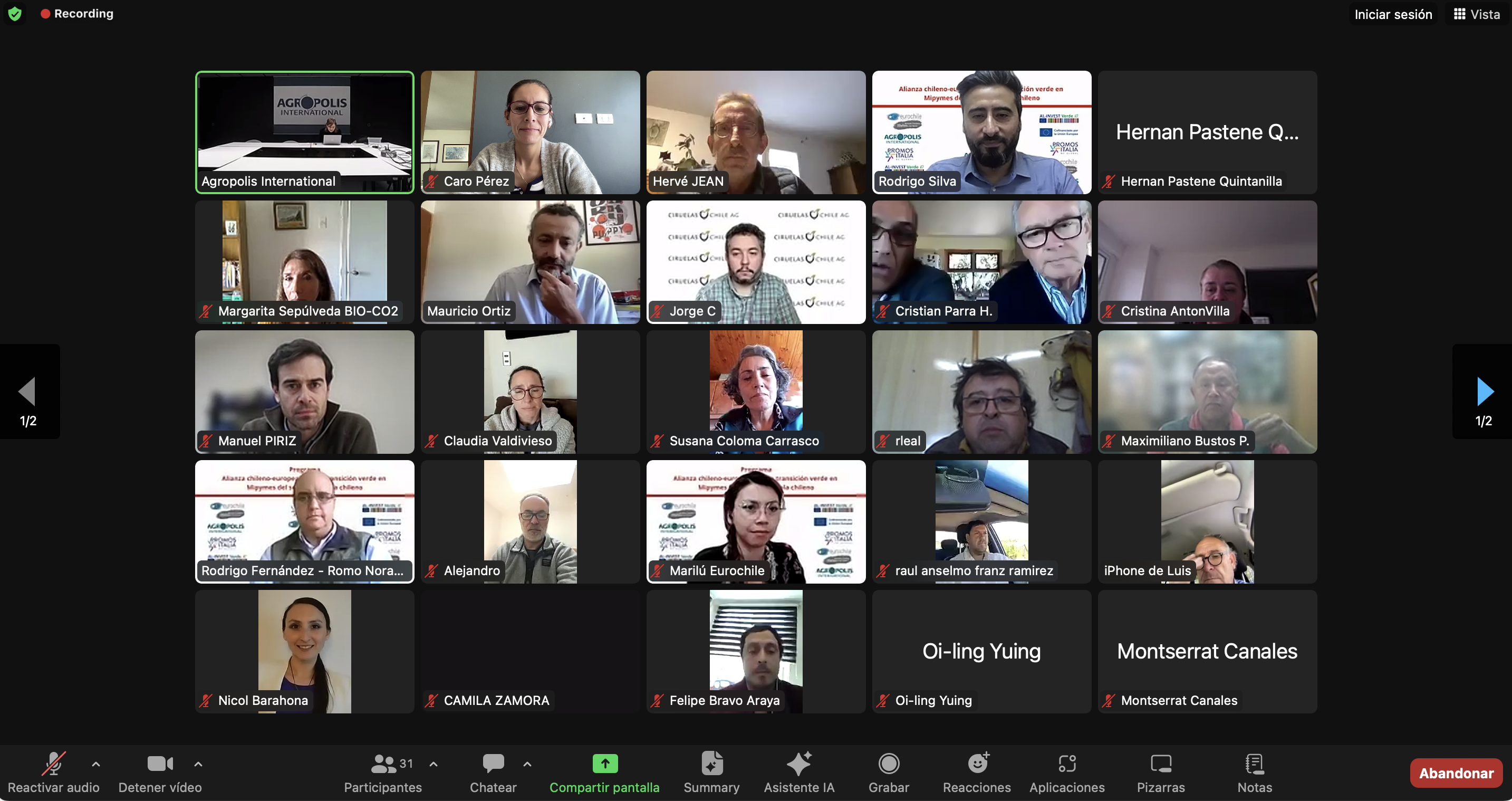
Last Thursday, November 30th, the Eurochile Business Foundation held the Online Seminar entitled "French Agri-Food Green Technologies for the Chilean Market". This event was given by Agropolis International from France in the framework of the AL-INVEST Verde Fruit Programme, aimed at the Chilean agricultural sector.
Rodrigo Silva, project manager of the Sustainability and Circular Economy area of Eurochile, presented the progress of the project. In addition, Sabrina Deforge, head of project engineering and innovation at Agropolis International in France, moderated the session.
Among the French companies participating were MAF RODA AGROBOTIC, specialised in the development and manufacture of turnkey lines for the electronic sorting and packaging of fresh fruit and vegetables; Agrosymbiose, a platform for climate-smart agriculture services to maximise the value of agricultural natural capital; and ABSOGER, dedicated to the manufacture of nitrogen generators and atmospheric equipment.
In the case of the Chilean companies, Agrofrutas Pastene, a fruit producer; Ciruelas Chile, plum producers; and the Centro de Estudios Avanzados en Fruticultura (CEAF), a scientific and technological centre located in the O'Higgins Region, whose main objective is to improve the competitiveness, productivity and sustainability of the regional and national agricultural industry, were present.
During the meeting, both French and Chilean companies presented their technological advances in the field. The French companies exhibited their circular processes and the incorporation of various technologies to optimise agricultural processes in a sustainable manner. On the other hand, the Chilean companies presented the different technological tools they are using in their fields.
In short, this opportunity allowed companies to share their knowledge and experience in the development of green technologies applied to agri-food production, generating synergies among the participants.