English

Innovation and tourism trends: Eurochile participates in FITUR 2024

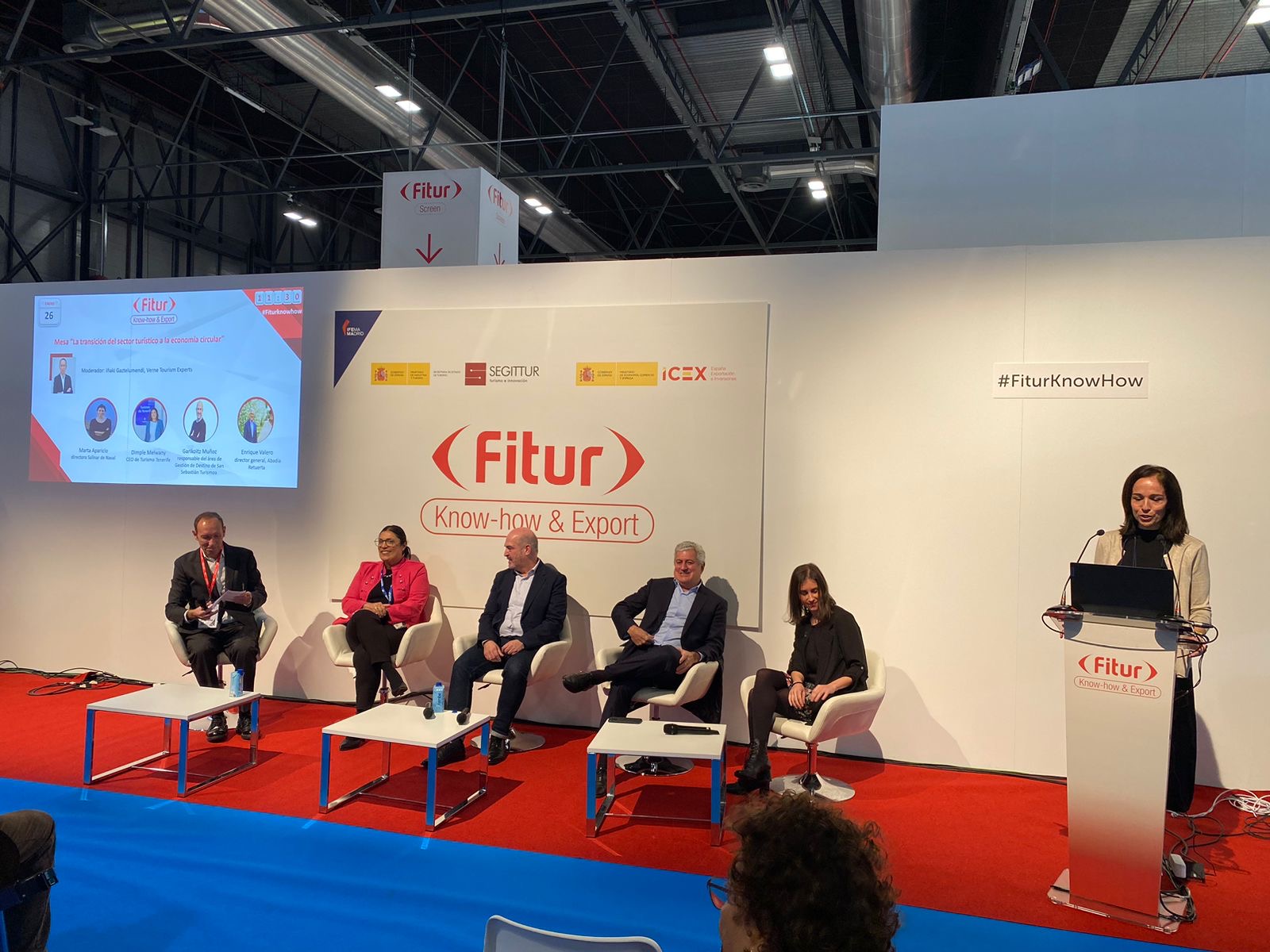
The International Tourism Trade Fair (FITUR) is one of the most prominent events in the global tourism industry, held annually in Madrid, Spain. With more than 69,000 square metres of exhibition space, it attracts a wide range of participants, including industry professionals, representatives of tourism destinations, hotels, travel agencies, airlines and tourism technology companies.

FITUR provides a space for professionals and experts to meet, share knowledge, establish business contacts and promote tourism destinations. It also provides opportunities for countries and regions to showcase their tourism offerings, promote their destinations and participate in networking activities.

The fair is made up of various sections and activities, including company exhibitions, destination presentations, seminars, conferences, workshops and networking events. These activities address a wide range of topics, such as sustainability, technology, adventure tourism, cultural tourism, gastronomic tourism, among others, reflecting emerging trends in the tourism industry.

On behalf of the Eurochile Business Foundation, Marilú Mansilla, in charge of projects in the area of Sustainability and Circular Economy, participated in this year’s edition of FITUR, highlighting the innovations and developing technologies that are being carried out in the tourism industry.

The 2024 edition of the fair lasted four days, from 24 to 28 January, with the inauguration presided over by the visit of King Felipe VI, who marked the start of the activities. Throughout the day, there were spaces to learn about the latest innovations and trends in tourism, with an emphasis on the importance of sustainability, the integration of Artificial Intelligence (AI) in the sector and the change of name of the World Tourism Organization (UNWTO) to “UN Tourism”, with the aim of advancing the UN Sustainable Development Goals. These were some of the key points discussed in each instance of the event.

The future work on tourism development was also highlighted, which should focus on sustainability, with a special emphasis on the incorporation of circular economy principles by tourism companies. In this sense, European public authorities are demanding greater circularity from these companies, in line with the goals and obligations of the European Green Pact. These obligations are mainly regulatory and restrictive, which is pushing companies to incorporate more sustainable practices.

Among the challenges and priority issues, the decarbonisation of the tourism sector and the integration of the circular economy are highlighted. In addition, the importance of ensuring the long-term sustainability of tourism destinations is underlined.

One of the innovations highlighted at FITUR was the integration of AI in the tourism sector, with the aim of simplifying the tasks of companies in the sector, such as organising data, interacting with users and creating unique experiences, among others.

In this sense, Marilú Mansilla adds that, “the incorporation of artificial intelligence in tourism is booming, especially through predictive software, customer service and various digital tools. These tools will facilitate the user experience when choosing between tourism services offered by different companies within the value chain”.

In conclusion, participation in events such as FITUR represents an invaluable opportunity for Eurochile to gain knowledge on the latest innovations in the European tourism sector, establish key connections with companies in the sector and explore ways to adapt these practices in Chile. This exchange of ideas and experiences is fundamental to foster the transition towards sustainability in SMEs in the sector, thus strengthening national tourism development.

Digital Trends at the Service of MSMEs in Tourism

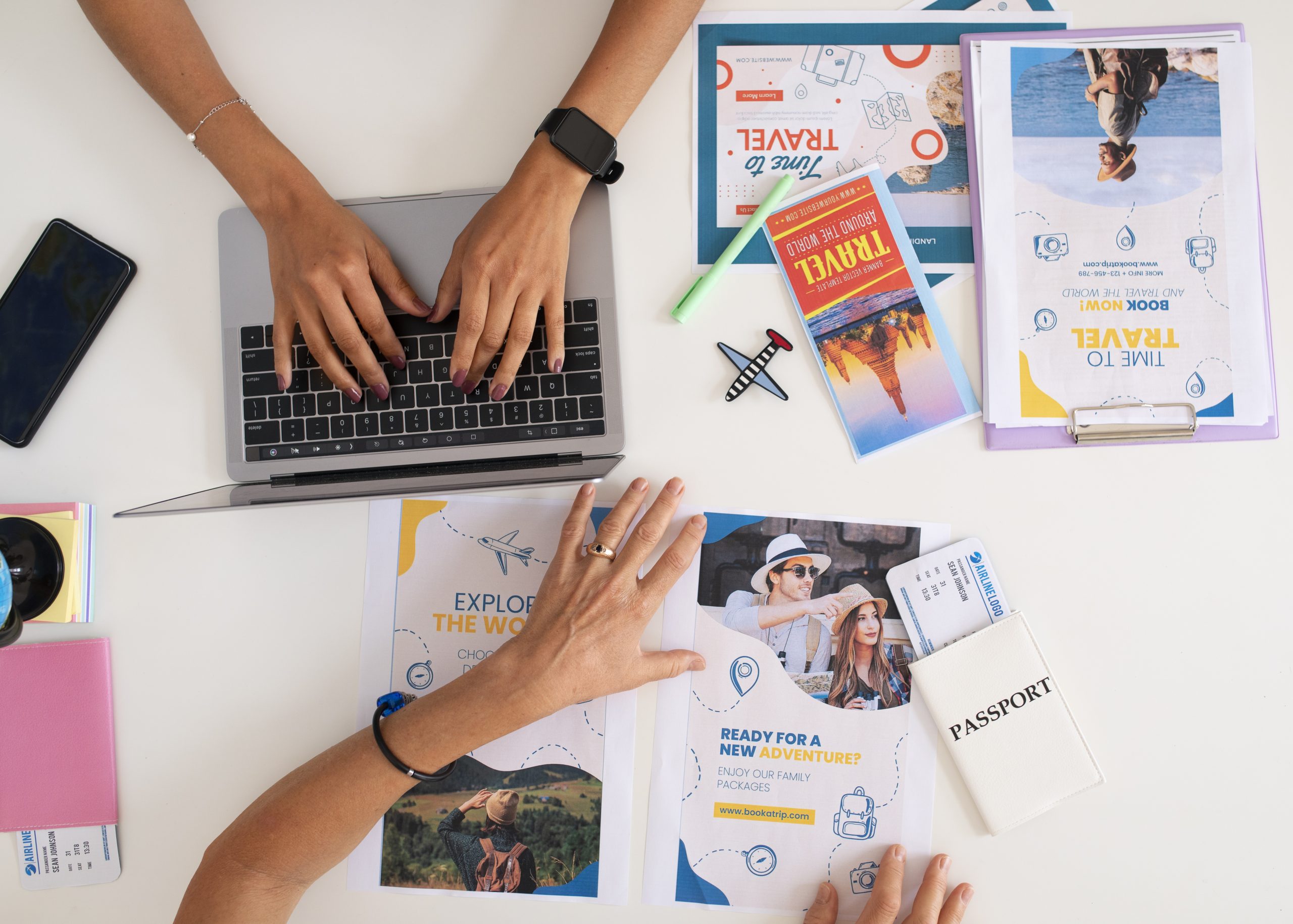
In the past, tourism businesses used to rely on paper brochures or leaflets to provide information about certain areas to tourists during their tours. However, with the advancement of technology, particularly during what is known as the “Digital Revolution”, these materials have become obsolete.

The digital revolution is a process that is based on the use of technologies and data economy through the development and design of interconnected platforms, powered by relevant actors in a specific sector.

In this sense, Spain stands out as one of the world’s leading references in terms of Sustainable Tourism, driven by the development of public-private partnerships and the use of artificial intelligence. This approach is in the midst of a transformation process. Spain has developed comprehensive data platforms powered by all tourism stakeholders, including the State, businesses, industries and tourists, which has generated a true Digital Revolution in the field of Circular Tourism.

This strategy has enabled Spain to position itself at the pinnacle of the Sustainable Tourism model worldwide, creating attractive new business models and providing effective tools to tackle climate change.

During the development and refinement phase of this new system, the Spaniards cultivated a spirit of trust between all parties involved. The aim was to create a quality and transparent information platform based on a collective data model. As a result, a tool was created that provided tourists with useful, relevant, modern, instant and personalised information. This led to the generation of new business models and higher quality and environmentally responsible tourists.

In particular, in Chile, MSMEs in the Coquimbo Region are moving forward in the transformation process in the face of the threat posed by climate change to their tourism destinations and products. This new model of digital revolution promises significant benefits for tourism stakeholders in the area by improving their business models and encouraging the arrival of a new tourist profile. The digital transformation will provide greater efficiency to existing business models thanks to the feedback it fosters with the various value chains. It will also open up destinations to the world, many of which are currently little known.

A notable example in Spain is the company Biotren, which, by being aware of the importance of contributing and sharing its data, managed to significantly improve the promotion and pricing of its rooms. In this way, the contribution and sharing of data in the system contributes to improved efficiency, customer satisfaction and business benefits.

Undoubtedly, this process of digital evolution presents numerous challenges, which are closely linked to the development of quality tourism education, the existence of technological barriers and the lack of trust between tourism stakeholders, as well as the governance of the system itself. Moreover, the dizzying technological advance, which is progressing at great speed and is complemented by the new tool of artificial intelligence, forces all stakeholders to get involved and not to be left behind in this important change.

European Good Practice Models applied to Tourism in the Coquimbo region

Good practices are a set of actions and activities that contribute to reducing the use and optimising the use of natural resources, thereby reducing the negative impact of everyday activities on the environment. There is full consensus in Europe on the importance of developing and implementing this instrument to address the adverse effects of climate change.

In this context, Global Tourism plays a key role in the process of adaptation and energy transition of products and services, due to its contribution to the economy and to the mobility of millions of tourists around the planet. Spain is a leader in the development of Sustainable Tourism, being a destination par excellence that has generated added value through the application of sustainability strategies in environmental, social, energy, water and waste management aspects.

Based on successful Spanish experiences and models, the Eurochile Business Foundation is promoting a process of sustainable transformation of the tourism activity in the Coquimbo region through the programme “Regional Tourism with Circular Economy”, financed by the Regional Government through the Innovation Fund for Competitiveness (FIC). This programme has a duration of 18 months and represents an important challenge in the transition towards an approach of adaptation and energy transition in the different tourist destinations and products offered in the region.

In the different modules of the programme, MSMEs have been encouraged to apply good practices in the tourism services and products they offer, based on successful experiences developed in Europe and taking as a reference the service offered by Spain. In this regard, important European experiences stand out that have adopted circular economy principles to promote Sustainable Tourism. Spanish Tourism Companies are committed to measuring the carbon footprint in the supply chain, science-based decarbonisation, boosting the use of renewable energies, promoting sustainable mobility and fostering digitalisation.

Successful experiences of good practices are highlighted in various areas of tourism, such as accommodation, excursions, restaurants, events, among others. In the accommodation sector, the Spanish chain Iberostar is an outstanding example of the incorporation of circularity measures. Thanks to a clear commitment to sustainability and circularity, and after carrying out a self-diagnosis of its initial situation, the Iberostar group developed its own sustainability policy, focused on five long-term commitments.

The Iberostar group is at the forefront of circularity at an international level, not only seeking to convert its hotels into circular establishments, but also to transform the destinations where they operate. Among the many commitments they are making as a hotel group are: the creation of a waste management department to implement reduction and disposal strategies with a focus on the circular economy, the development of an energy efficiency plan with annual targets for the reduction of greenhouse gases, the minimisation of the company’s environmental impact and the promotion of a responsible local sourcing and consumption model, as well as the use of sustainable materials in new constructions.

Another example of a commitment to circularity, in this case linked to catering, is the LebonPicnic initiative in France. It is a one-stop, click-and-collect service that allows cycle tourists to find and buy locally produced picnics while exploring rural France. An online marketplace connects users with a network of local artisan food producers, including butchers, charcutiers, bakers, confectioners, grocers, caterers and restaurants, from whom they can place orders for next-day pick-up.

In this way, the traveller is offered a picnic option that is 100% artisanal and uses fresh, seasonal and local products whenever possible. In addition, LebonPicnic promotes the use of recyclable or biodegradable containers and packaging, and thanks to its on-demand production system, avoids food waste.

In the field of waste revaluation, the case of DeleiteWear is a great example. DeleiteWear’s proposal consists of reusing textile waste from accommodation and restaurants to transform them into uniforms and merchandising with social and environmental value. The garments designed by DeleiteWear often include an embroidered message to highlight the positive impact they generate, such as “I am a sheet with a second chance and I have saved 2500L of water”. In addition, DeleiteWear garments are made locally in social insertion workshops in Spain.

On the other hand, in terms of sustainable travel and tourism experiences, the Intrepid Travel agency is a benchmark. Many of its trips incorporate circularity principles that can serve as a model to follow.

Ultimately, experts indicate that the adoption of measures incorporating good practices will depend on the reality and context of each tourism enterprise. However, the availability of options, solutions and adaptation mechanisms is diverse, so the opportunity to initiate the process of change will depend on the willingness of each entrepreneur and tourism destination. The path towards sustainability in tourism is already mapped out, and it is essential to face the new challenges and challenges.

Circular Tourist Products in the Coquimbo Region

The circular economy model is presented as a tool for integrating sustainability into production processes. The Ellen MacArthur Foundation defines circularity as a framework of systemic solutions that addresses global challenges, such as the elimination of waste and pollution, the circulation of products and materials, and the regeneration of nature to address climate change, biodiversity loss and pollution.

For this reason, the circular model proposes to use resources in a way that maximises their value for as long as possible, while eliminating waste from product design and incorporating measures for the regeneration of nature.

The tourism sector and its value chain are not oblivious to the current global context, and are at odds with the predominant linear model of development. Therefore, the integration of circular economy principles in tourism can contribute to transforming the sector, helping to reduce its negative impacts on the environment and acting as a driver of change to promote more efficient resource management in tourism destinations.

However, for a tourism product to be considered circular, it must fulfil certain characteristics. It is essential that it has a clear vision and strategy oriented towards circularity and sustainability, integrating these principles from the design phase of tourism products or services. In addition, it is important to collaborate with local suppliers and actors to promote responsible consumption.

The use of circular economy tools can help promote the use of renewable and reusable resources in the design and delivery of tourism services. Examples include the use of sustainable transport or renewable energy sources, as well as incorporating reusable packaging during excursions, such as replacing individual plastic bottles with reusable bottles, or replacing plastic tableware with reusable plates and cutlery.

Other key features are related to reducing CO2 emissions along the value chain of tourism services, as well as boosting local development. It is also crucial to develop a communication strategy to inform tourists and suppliers about circularity measures, which is essential to make the sustainability actions of the tourism company known to all its stakeholders. In addition, it is important to provide ongoing support or participation in environmental programmes that contribute to the regeneration of the destination’s natural resources.

To make a real impact, the tourism industry must understand that circularity in products and services is part of a systemic thinking, integrating into a wider, interconnected value chain or production system that includes other sectors such as agri-food, transport and energy.

Actors involved in the creation and development of circular tourism products should concentrate their efforts on areas that can generate the greatest impact in advancing the transition to a circular economy. These priority areas include energy, water, sustainable transport, responsible consumption, waste management and construction.

In this context, during the implementation of the programme “Transfer and Reactivation of Regional Tourism with Circular Economy”, carried out by the Eurochile Business Foundation and financed by the Regional Government of Coquimbo through the Innovation Fund for Competitiveness (FIC), proposals for tourism products based on the circular economy model were identified in each of the provinces of the IV region.

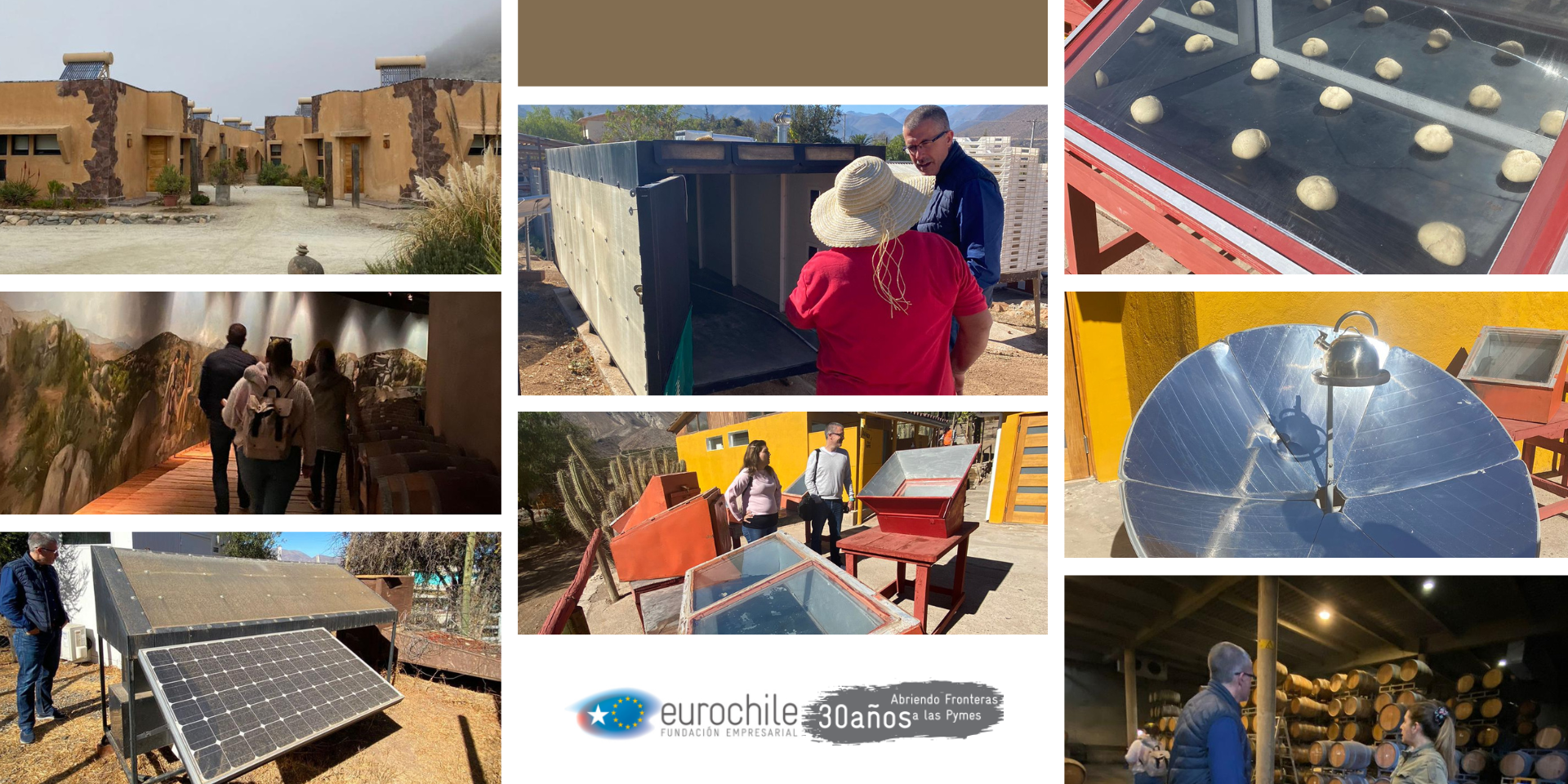
In the province of Elqui, the circular tourist product “Discover the Elqui and its charms” stands out, offering the opportunity to enjoy the charms of the Elqui Valley. The tour begins with a visit to the colonial city of La Serena, followed by a stop in the port city of Coquimbo and the charms of Vicuña, culminating with a night under the stars. This tourist product has the collaboration of the companies Hotel Diego de Almagro and Hotel Terral. A highlight of this component is the incorporation of sustainable practices, such as the use of solar cookers in the Elqui Valley and a visit to the Pisquera Aba attraction.

Likewise, in the province of Limarí, the circular tourism product “Fray Jorge Park Excursion” is identified, which offers a visit to the National Park, which features a Valdivian-type forest in a coastal desert area. This park has been declared a World Biosphere Reserve by UNESCO and is the second Starlight Reserve in South America due to its beautiful and pristine skies. The tour includes a tasting of local gastronomy in the seaside resort of Tongoy. This tourist product stands out for the environmental care practices carried out by CONAF, which include the protection of native flora and fauna.

Finally, the circular tourism product proposal in the province of Choapa, called “Lands of Witches and Condors”, stands out as one of the most unique territories in the region due to its ancestral traditions and natural mountain environment, complemented by the rich gastronomy of the city of Salamanca. Participating companies include Delicias El Tebal, Hotel El Estero and Cervecería Artesanal Brujas-Mallucun Vertical. This tourism product is distinguished by its focus on sustainable practices, such as the use of renewable energy, sustainable organic waste management and the reuse of materials such as plastic and glass.

Entrepreneurs prepare for Eurochile Key Energy 2024 Business Mission

Key Energy is Europe’s leading event dedicated to technologies, services and integrated solutions for energy efficiency and renewable energy. It is the focal point for highlighting accelerating energy and climate policies and emerging opportunities in the international market. Its second edition will take place from 28 February to 1 March 2024 in Rimini, Italy.

This year, more international brands are expected to participate, demonstrating the ambition to expand and involve more countries in the fair. This reflects a strong and potential demand for innovative technologies and solutions for the energy transition, with the aim of strengthening its international focus.

The Eurochile Business Foundation, through its Business Cooperation and Institutional Affairs area, will be present at Key Energy 2024 with the “Key Energy 2024 Business Mission”, which will include the participation of entrepreneurs from the sector. During the event, attendees will have the opportunity to participate in various activities, explore business and networking opportunities, which are scheduled in the agenda of the attendees.

The companies participating in the Business Mission include Circular Construction, Gestrash Simbiosis Colaborativa, Mega Electric, DVP S.A., Energy Asset and Tesla Energy.

Manuela Caruz, Eurochile’s Director of International Networks, points out that, “participating in this fair is the perfect opportunity to learn first-hand about the latest technologies, trends and business opportunities in the energy sector. In addition, our Business Missions offer an invaluable space to establish strategic contacts and collaborations that will boost the growth of their companies“.

On the other hand, this year will see the addition of a new exhibition area called “Key Storage Expo”, dedicated exclusively to residential and industrial static energy storage. This sector is experiencing significant growth throughout Europe and will join the six areas already present at the first edition: Solar, Wind, Hydrogen, Energy Efficiency, Electric Mobility and Sustainable City.

The fair will be divided into 14 pavilions within a new exhibition route that encourages visits and increases business opportunities, Key Energy develops the 6 thematic and product pillars, strengthening them, dedicating defined and connected spaces to them.

The Business Mission organised by Eurochile to the second edition of the Key Energy fair promises to be a unique opportunity for those actors in the energy sector who wish to stay at the forefront. This initiative, in line with the Foundation’s mission, provides an experience to learn about the latest technologies, establish strategic connections and explore new business opportunities with leading European companies in the sector.

European Green Pact and the Challenge of Tourism Activity

Global warming has brought the planet to a worrying state of climate emergency. In response to this, in 2020, the leaders of the European continent adopted the “European Green Pact” as a strategy to reduce net greenhouse gas emissions by at least 55%. This measure is part of actions to halt and address the accelerating process of climate change.

This binding initiative encompasses a set of policies aimed at putting the European Union (EU) on the path towards a green transition. The aim is to achieve climate neutrality by 2050, addressing various areas such as climate, environment, energy, transport, industry, agriculture and sustainable finance, all of which are closely interconnected.

Aware of the current state of the planet, the European Union is guiding industry towards a process of transition to climate neutrality, based on the principles of sustainability, circularity and environmental protection.

In this context, the tourism industry stands as a key productive sector in the ecological transition, as it currently contributes significantly to the world’s Gross Domestic Product (GDP), but at the same time impacts on the conservation of cultural heritage, the environment, the labour market and infrastructure.

In this regard, the World Tourism Organisation (UNWTO) is committed to promoting progress towards low-emission tourism as part of the strategies to be implemented. The path is long but indispensable, given that tourism activity generates negative externalities, such as carbon footprint emissions, waste generation and high energy consumption.

To achieve this, it is essential that both tour operators and MSMEs permanently and systematically adopt various sustainable strategies, such as encouraging recycling, promoting reuse, boosting local markets and adopting clean energy, among other measures. These actions are closely linked to an environmental education approach and the implementation of local regulations oriented towards green and circular practices.

Ultimately, tourism plays a crucial role in the process of ecological transition and faces a major opportunity and challenge of transformation in the face of the threat posed by the potential loss of its most precious treasures: natural and cultural heritage. For this reason, both the European Green Pact and Sustainable Tourism are setting the global direction in the face of climate emergency and risk.

Join the Network of Opportunities: Eurochile invites you to take part in the activities of the Enterprise Europe Network

The Enterprise Europe Network (EEN) is an initiative of the European Commission whose main objective is to help companies, especially SMEs, to innovate and compete internationally. It offers a wide range of advisory and support services in areas such as internationalisation, innovation, research and development (R&D), business cooperation and European regulation.

For this reason, in the framework of the EEN, various activities will take place, including fairs and events.

Over the last decade, SICUR has established itself as one of the main professional meeting points in the field of Security throughout Europe. This event, which is held every two years, brings together players from both the public and private sectors, including SMEs, startups, corporations and research centres. Its main objective is to showcase and discover the latest technological advances in areas such as security, cybersecurity, fire and emergency prevention, as well as workplace safety.

In this context, the International Brokerage Event SICUR 2024 will take place, an activity designed to promote collaboration in the field of security, with a specific focus on the “Civil Security for Society” programme. This fair will be held in hybrid form at IFEMA-MADRID (Spain) from 27 February to 1 March 2024.

Register at the following link: https://sicur2024.b2match.io/page-2681 

Interested in learning about the latest trends in technology? Want to discover the potential of robots and drones in terms of performance, safety and working environment?

R-24 is an event that offers the opportunity to explore the latest innovations in robotics, automation and drones, with applications in a variety of industries, such as manufacturing, construction, agriculture, healthcare and energy.

The fair will take place at the Congress Centre in Odense, Denmark, from 13 to 15 March 2024. This event is face-to-face and free of charge. Register now at the following link: https://roboticsevent.eu/en/

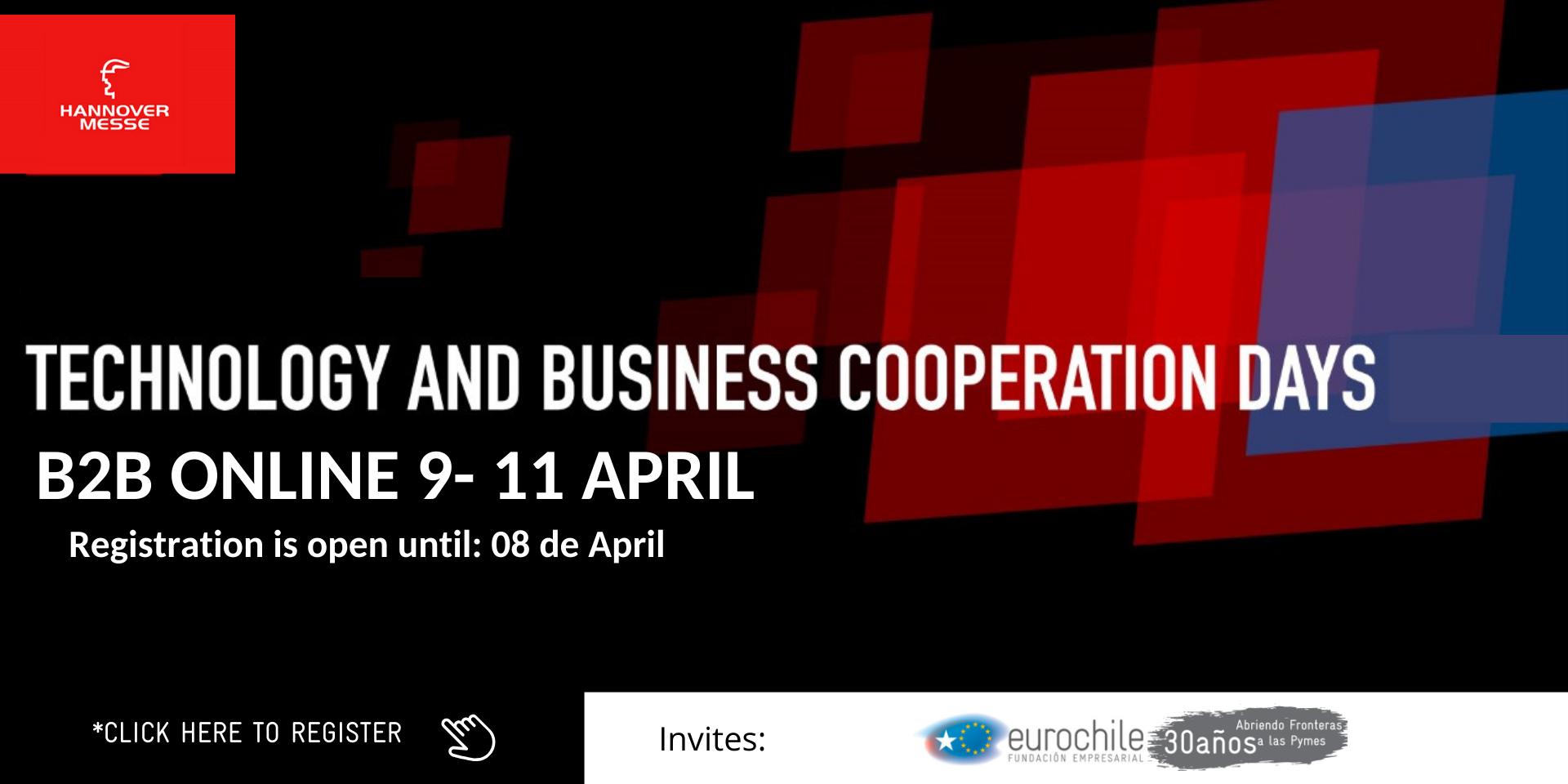
The 2024 Technology and Business Cooperation Days facilitate international collaboration between companies and organisations in areas such as Industry 4.0, energy efficiency, sustainable mobility and measurement tools.

This event will take place from 9-11 April in Hannover, Germany, offering both face-to-face and online meetings to suit the needs and constraints of participants. Registration for this hybrid conference is free of charge and is available until 8 April 2024: https://technology-business-cooperation-days-2024.b2match.io/ 
Don’t miss the opportunity to innovate! Gain new perspectives and competitive advantages through research and development (R&D) and technological and business cooperation.

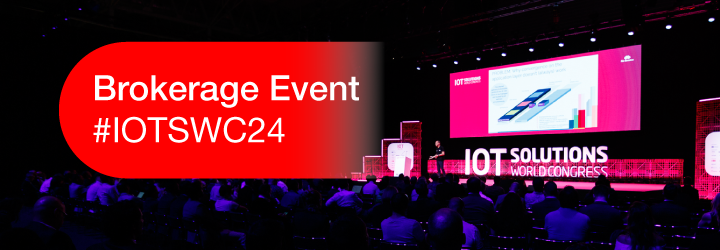
The IoT Solutions World Congress Brokerage Event is an event focused on Internet of Things (IoT) technologies applied to various industries such as manufacturing, healthcare, energy and transport. This event is organised by the Agency for the Competitiveness of Enterprise (ACCIÓ).

The event will be held in Barcelona, Spain, in a hybrid format, with face-to-face sessions from 21-23 May and online sessions from 28-30 May 2024. It will offer the opportunity to network with technology providers and adopters of IoT solutions, both face-to-face and online. Participation is free of charge and registration is available until 14 May: https://iot2024-accio.b2match.io/page-831.
The Forum InCyber, organised since 2007 in Lille, France, is Europe’s leading cybersecurity event, bringing together more than 500 exhibitors and a wide range of experts and senior representatives of the security community. For its 2024 edition, the theme will be Ready for AI?

The event brings together companies, both buyers and suppliers, from various European countries. This is a unique opportunity to generate new business contacts and provide a forum to foster reflection and exchange within the European cybersecurity ecosystem. This year’s event will be run in a hybrid mode, offering face-to-face meetings at the event from 26-28 March, and online sessions from 8-10 April.

Attendance at this event is free of charge, however, registration is required to participate: https://international-cybersecurity-forum-2024.b2match.io/

In short, these events offer opportunities for international collaboration, the exploration of new technologies and the search for business and research partners in various industrial sectors.

If you have any questions or need more information, please do not hesitate to contact Manuela Caruz, Director of International Networks of the Eurochile Business Foundation at mcaruz@eurochile.cl.
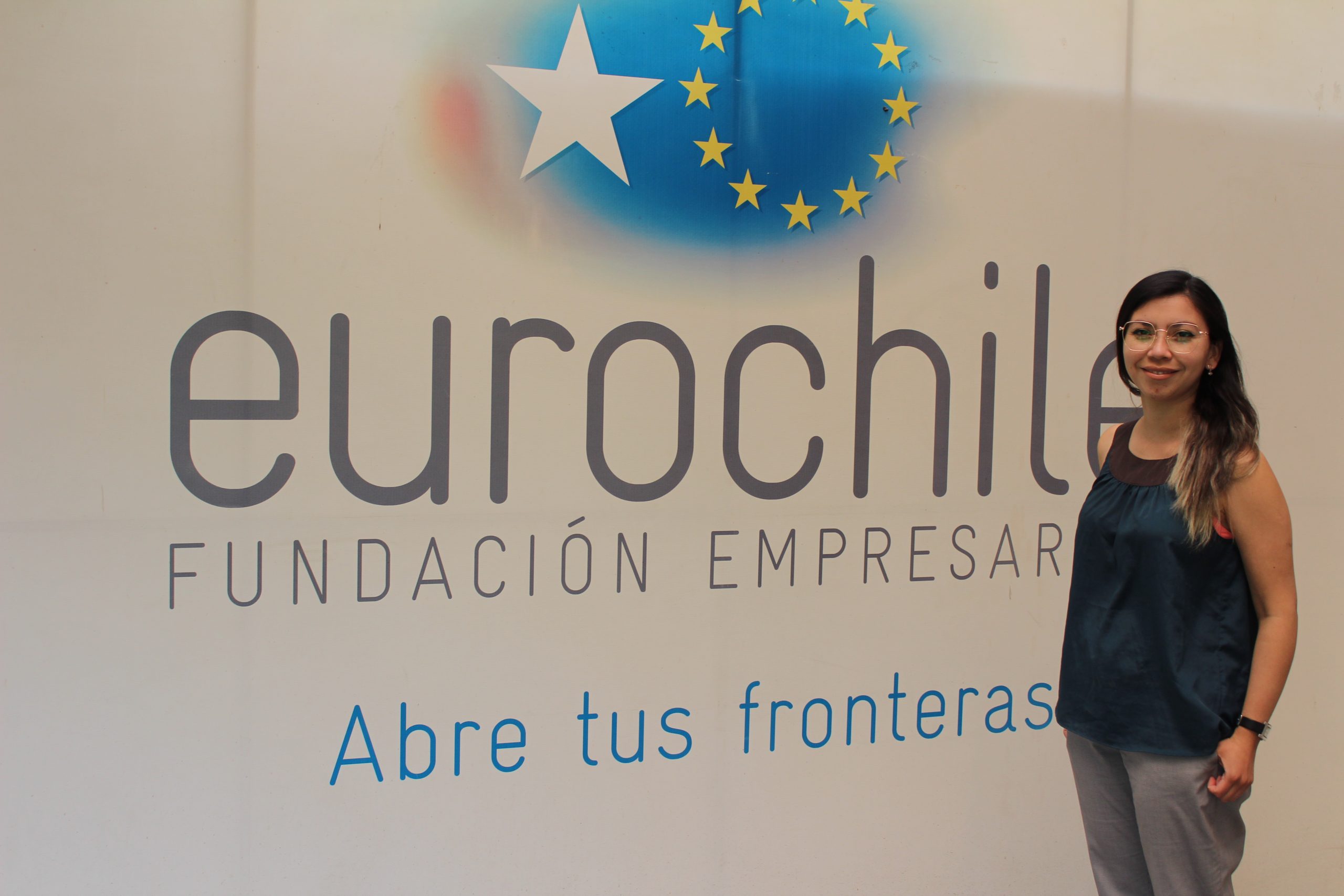
Opinion Column: “Incorporating elements of the Circular Economy into tourism activity is fundamental for tackling climate change”

Opinion column written by Marilú Mansilla, project executive of the Sustainability and Circular Economy Area of Eurochile Business Foundation.

Sustainable tourism is tourism in which all actors in the tourism industry incorporate the use of sustainability criteria, taking care of tourist destinations with a special focus on the protection of the environment and natural resources.

The Coquimbo Region has many natural attractions that are currently under threat due to climate change, drought problems, increased risk to endangered species, and in short, the nature tourism product is under constant threat.

This not only puts at risk the attractiveness of these places, but also the tourism industry, 75% of which is made up of MSMEs, which, according to data from the Undersecretariat of Tourism, will have more difficulty in diversifying and adapting their businesses to climate change.

The Circular economy is the way in which tourism SMEs can adapt to climate change and contribute to the development of sustainable tourism. It is the mechanism by which businesses can contribute and adapt.

Consequently, tourism today has a major challenge… to implement transition initiatives towards a circular economy model. Incorporating elements of the Circular Economy into tourism activity is essential to tackle climate change.  During the implementation of the Regional Tourism Reactivation Programme with Circular Economy that is being implemented in the Coquimbo Region, financed by the Regional Government through the Innovation Fund for Competitiveness (FIC), we have made a survey of tourism MSMEs in the region and learned about experiences in the development of their products and services, and at the same time we are working on a training plan that was implemented last year and will return in March of this year, to form a critical mass among tourism companies around these issues.

This phenomenon has affected tourism businesses, especially those providing accommodation and restaurant services where a lot of water is used. But, on the other hand, it presents a great advance in the incorporation of circular economy elements that they were not aware of. The Coquimbo Region generates the largest amount of non-conventional renewable energy. It has wind farms and solar fields in the commune of Canela. At the individual level, tourism MSMEs have been adapting to the process of climate change. They have been incorporating elements to take care of water resources and the reasonable use of energy sources. In the village of Villaseca, near the commune of Vicuña, solar cookers are used. The preparation of food in a restaurant does not generate negative externalities such as the use of gas or other elements.

We have detected a strong commitment of entrepreneurs at rural level to protect and care for the environment.  This is highly valued by them.

They have generated small initiatives that we have sampled. Using flora from the same region to beautify the surroundings and landscaping of their hotels and tourist centres. These differentiating elements allow them to provide greater added value to the services they offer to tourists. The companies have incorporated elements of the circular economy by using solar panels, recycling water and waste.

An interesting element that we have noticed is that the companies do not generate compost, but use the organic matter as animal feed. There is a group of companies in the coastal area that have installed signs in their housing developments where they ask tourists to leave their towels on the ground to be able to wash and if they do not, it will be understood that they are clean, which encourages them to wash less. They have also implemented more basic, but equally valuable elements such as the implementation of LED lights to reduce energy consumption.

The companies did not have incorporated that the elements they were implementing were circular economy, but we have seen that they have taken advantage of the incentives and subsidies from the State, through the installation of panels, thermopanels, solar dehydrator, accessing benefits and incorporating these elements of circular economy.

We have detected an interesting development. In the execution of workshops through experts we have disseminated the benefits of incorporating elements of circular economy to the tourism business and the contribution that this means for the care of the environment. Despite the heavy investment required at the beginning. In the short term, important positive externalities are obtained in the business such as: energy savings, reduction of waste, which implies a reduction of greenhouse gases that contribute to climate change, and recycling, which not only reflect an environmental contribution, but are also reflected in the reduction of business costs. We are currently in the process of designing a guide to implement tourism experiences, based on the principles and elements of the circular economy for the development of tourism products and services that will allow the tourism MSMEs of the Coquimbo Region to move towards a circular economy model together with all the natural benefits it offers.

Fieragricola 2024 Business Mission: Hazelnut entrepreneurs get ready to discover new European technologies

Fieragricola is a leading international trade fair specialising in the agricultural sector and technologies. Its name derives from the combination of the Italian words “Fiera” (fair) and “Agricola” (agriculture), which highlights its main focus. The fair will be held in Verona, Italy, from 31 January to 03 February, giving producers from all over the world the opportunity to learn about new trends and technologies in the sector.

For this year’s edition, the fair will focus on key topics such as precision agriculture, robotics, digital solutions and renewable energies. Special attention will be paid to innovations in areas such as irrigation technology, robotics, big data, artificial intelligence and sensor technology. In addition, essential agricultural machinery and equipment, such as tractors, harvesters, and other devices for soil cultivation and plant care, will be on display.

The Eurochile Business Foundation will organise a Business Mission to Verona. This initiative will allow entrepreneurs from the hazelnut sector, who are participants in the AL-INVEST Verde Frutícola project, to have the opportunity to participate in Fieragricola 2024. The mission will be led by Rodrigo Silva, project manager of Eurochile’s Sustainability and Circular Economy Area, who highlights the importance of this experience:

 “Participating in this event not only means being aware of the latest trends, but also having access to the most advanced technologies in the sector. This is not only a window to what’s new, it is an opportunity to bring the best practices in circularity and sustainability to Chile“.

Upon arrival on the first day, the companies will have a coordination meeting at the hotel and will review, together with the project manager, the work agenda, which includes the opportunity to meet with European counterparts, visit stands previously selected by the Fieragricola Team, participate in talks, workshops and seminars. They will also have time to tour the fair to identify trends and innovations.

Participating companies include Agrícola Exportadora e Importadora la Poza, Inversiones agrícolas Jeleila, Osvaldo Rodolfo Mohr Amithauer, Maritza Flor Verdugo Riquelme, Agrícola Línea Real, Agrícola y Ganadera OM, Cristian Alonso Valdivieso Sotomayor and Claudia Francisca Valdivieso Montesinos.

In short, Fieragricola is an important platform that promotes exchange between professionals from various branches of the agricultural sector, who will have the opportunity to interact directly with exhibitors and experts in the area, allowing them to participate in various activities and talks, as well as generate networking, among other opportunities.

Sustainable Tourism: Tourism MSMEs practice sustainable measures in the face of the water crisis in the Coquimbo Region

The programme “Reactivation of Regional Tourism with Circular Economy”, promoted by the Eurochile Business Foundation and financed by the Regional Government through the Innovation Fund for Competitiveness (FIC) and aimed at micro, small and medium-sized tourism enterprises (MSMEs) in the Coquimbo Region, is progressing with the implementation of good sustainable practices.

Marilú Mansilla, head of projects in the area of Sustainability and Circular Economy at Eurochile, explained that the tourism sector has not been unaffected by the drought process affecting the municipalities that make up the IV Region, which has led to a process of transformation towards the development of sustainable tourism products and services.

For several years the region has been facing a water shortage crisis that hinders all productive industries and its citizens, during the year 2023 there was no rainfall, which increased this crisis. Currently, the situation is critical, according to data provided by the Centre for Advanced Studies in Arid Zones (CEAZA) there is only 10% of water stored throughout the region“.

During the development of the training workshops within the framework of the programme, the professional indicated that guidance has been provided to the beneficiaries on the management of the water crisis in the context of sustainable tourism. Among the measures recommended are water saving through the use of double tank toilets, raising awareness among tourists about water consumption, the use of grey water for irrigation, the extension of the use of sheets, as well as the optimisation and maintenance of swimming pools, among other practices.

SUSTAINABLE TOURISM DEVELOPMENT

The programme aimed at training 200 MSMEs has enabled feedback on the sustainable processes being developed in the Coquimbo Region.

In that sense, the Eurochile project executive highlighted that most companies have implemented actions to safeguard water use. “Although most of them were not aware that this was part of a circular economy approach, they were doing it to reduce their costs and, at the same time, to address the decrease in water use due to the regional crisis. Thanks to the project, we were able to identify companies in the region that already practice sustainable measures“.

He also highlighted the good practices implemented by the hotel “Terra Diaguitas”, located in the city centre of La Serena. This establishment not only raises awareness among its guests about the responsible use of water, but also provides information material, promotes the reuse of towels and encourages the prolonged use of sheets.

On the other hand, in the commune of Salamanca, two examples of sustainable tourism were highlighted: the restaurant “Delicias de El Tebal” and the cabins “Pircas de Arboleda”. These exemplary places use grey water for irrigation, showing a commitment to environmental practices.

Additionally, the Elqui Valley stands out as a success story, especially with the “Cavas del Valle”, a fully organic winery. This winery has designed its wine production processes with the aim of minimising water and energy use, demonstrating a sustainable approach throughout its operation.

Finally, the professional highlights the benefits of implementing good practices, which are reflected in the accounting results of a tourism business. On the economic side, sustainable methods contribute to reducing electricity and water consumption, which translates into lower costs. In addition, they facilitate more efficient management processes, also reducing the burden on human capital.

It is important to consider that the profile of the tourist is changing, showing a preference for companies that adopt sustainable practices, which contributes to improving business. In this sense, we have emphasised these points during the project trainings, keeping the entrepreneurs informed about the benefits derived from various sustainable practices,” she said.