English

Eurochile holds a successful Circular Economy Conference to analyse progress and trends in Chile and Europe

As in Madrid at the end of last year, within the framework of COP25, the Eurochile Business Foundation gathered this week the main experts from Chile and Europe to analyse the advances that are being made in the circular economy, a global trend that today it appears as one of the main responses to the social and economic crisis caused by the Covid-19 pandemic and the climate crisis.

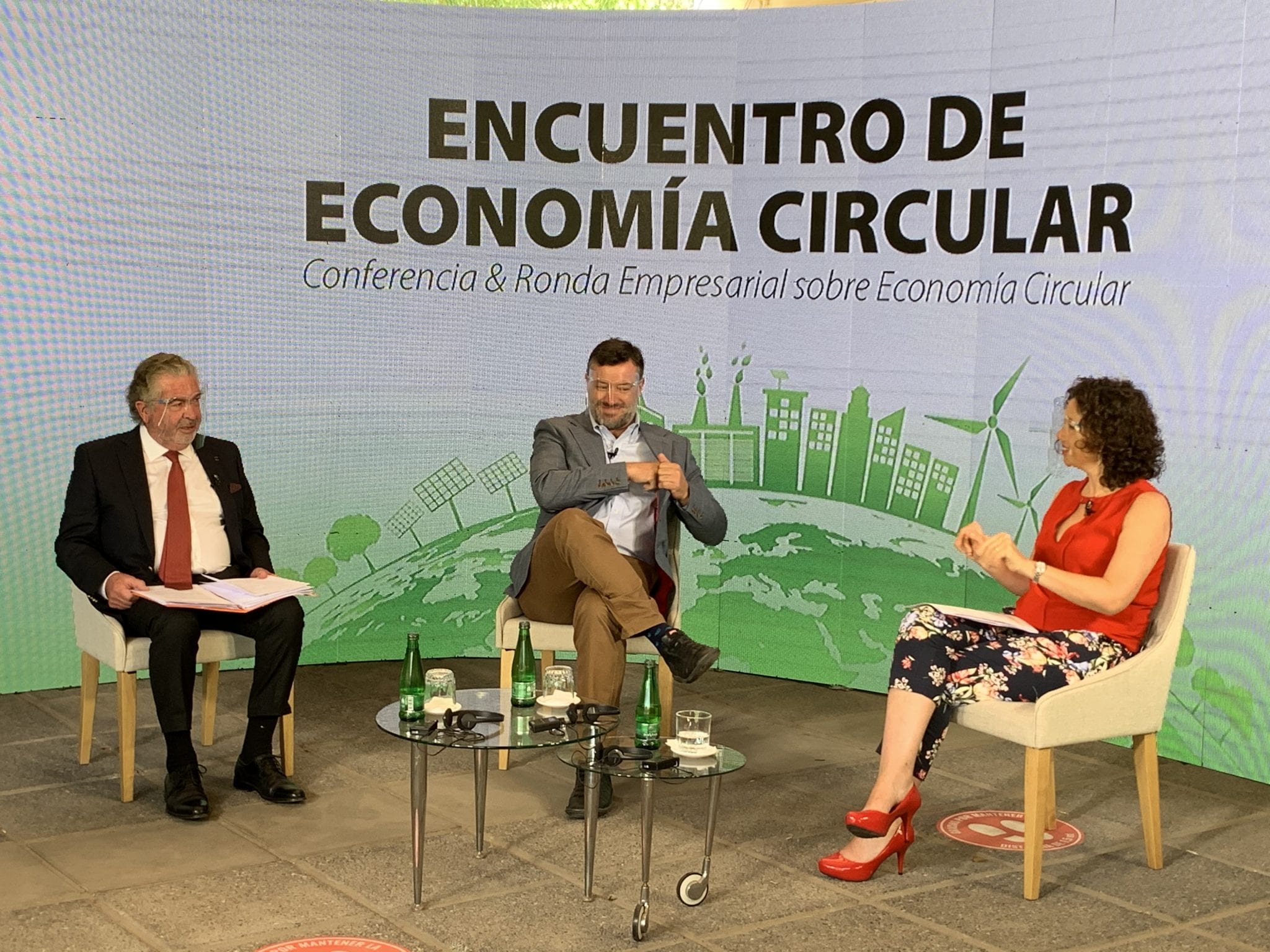
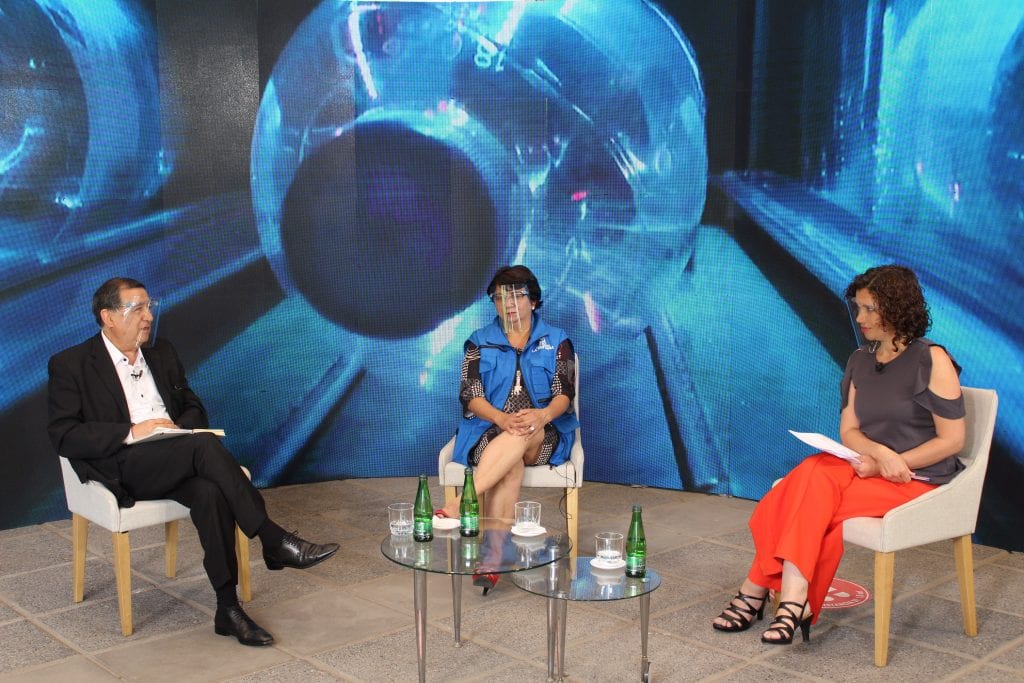
This time in a virtual way and through dynamic digital platforms that brought together exhibitors from all over the world, the “Circular Economy Conference” held between December 9 and 11, brought together authorities from Chile and the European Commission, experts from organizations such as the Ellen MacArthur Foundation, Circular Change, Dr2 New Economy, FiBL, SEGITTUR, the academy and representatives of companies that lead the implementation of this trend at a global and national level.

“This diverse, prestigious and important participation is a very good indication that we will approach the circular economy in all its complexity and diversity, in a complete, comprehensive and professionally serious way. This is a good example of integration, collaboration and solidarity”, highlighted the president of Eurochile, Vicente Caruz, in his opening speech on behalf of the Foundation.

With an audience of almost 300 virtual assistants from countries such as Belgium, Spain, Finland, the United Kingdom, Slovenia, Portugal and almost all of South America and Mexico, Vicente Caruz stressed that in the face of the confinement of millions of people in the world and the social and economic crisis that it entails, today the debate on new forms of social organisation, living together, new ways of inhabiting the world and dealing with its balances has accelerated.

“The circular economy – affirmed the president of Eurochile – has a fundamental place in this discussion, especially due to the urgent need to get out of the crisis with a sustainable adaptation. The circular economy implies that companies, with creativity, innovation and intensive use of technology, redesign and adapt their production and service processes to reduce the use of virgin raw materials that are increasingly scarce every day. In the world and in Chile this process has also begun, but it is necessary to accelerate it”.

A vision that was reinforced by Kestutis Sadauskas, director of the Green Growth and Circular Economy of the Directorate- General for Environment of the European Commission, with whom “we have a long and fruitful relationship, they have been leaders in introducing the subject of the circular economy in Chile”, Caruz recalled.

Sadauskas started by highlighting the importance of the discussion generated in the conference, “similar to the one we have in all of Europe, it is very good to see that we are on the same line and that we are thinking the same on the other side of the world, and that we can connect despite to the problems we are currently facing”.

The Covid pandemic, he said, exposed the fragility of our current economic model and has affected key supply chains. The transition to the circular economy is a safe bet to decrease dependence on external inputs and make better use of national resources, this in a scenario with multiple interconnected challenges, such as the climate crisis, pollution and the loss of biodiversity.

In this context, he affirmed, the need for an economic recovery and the transition to a circular economy go hand in hand. “There can be no economic recovery and stability if we don’t leave the linear economy model. In Europe, we have adopted the Green Deal as our growth strategy, which will also be the key to achieving a green recovery after the crisis. The Green Deal has made sustainable growth a political priority“, he said.
Global Alliance for Circular Economy

And one of Europe’s goals in this matter, he added, is to also support the global transition. “The European Commission is launching an initiative for a global alliance for the circular economy, to identify some gaps and work in partnership with other countries. Chile was part of one of the first outreach programs of this alliance, and we appreciate that very much because countries with a similar outlook will benefit from this”.

With regard to this, Kestutis Sadauskas highlighted the country’s support for the European effort to promote the circular approach, recalling that “Chile was the first country to receive a European mission in circular economy in April 2016. Since then our efforts in this matter have increased (…) We believe that together we can advance in this regard; and by investing now in the circular economy we can prepare the path to accelerate the transition to gain new markets, because we know that in this particular case those who advance first will be those who will have the advantage”.

Among the main speakers of the opening day was also the president of BancoEstado, Sebastián Sichel, who pointed out that today, as a society, we are experiencing four joint changes that are changing society: the aging of the population, a society that aspires to participate more in decision-making, a technological change that includes greater access to information and technologies, and a climate change that -among other impacts- is affecting the way of producing.

“The circular economy,” Sichel said, “makes it possible for the fourth industrial revolution, which involves these four changes, to become more viable for a developing economy like Chile’s. First, because Chile is an exporter of natural resources, and therefore the availability of these in the future will be a determining factor in the country’s economic success or failure. Second, because most of the productive activity occurs in the regions, and therefore an important part of it will be determined by the sustainability of the business at the local level. And third, because almost 70% of employment in our country is created by micro and small companies and the way they produce will be a determining factor in their future success”.

For this reason, he stated, the circular economy is not only an ecological concept, but is related to the strategies adopted by the country to face this wave of changes. And in this, the role of financial institutions, even more so if it is public like BancoEstado, is to set aside neutrality and choose to provide financial support to those companies in which the sustainability of the business is not seen only by cash flows, but also because of how it contributes to this logic of facing these new challenges in a better way. “That non-neutrality is the concept behind the struggle for circularity,” he said.

“Our challenge as a public bank is to put the incentives to steer the curve towards circularity, and because we effectively believe that it is competitive, that it is an economic reflection and not just a political one. Those companies whose environmental traceability in the medium term is more successful will be more competitive,” said Sichel.

Meetings and workshops

The first two days of the “Circular Economy Conference” organised by Eurochile were focused on analysing the circular economy as a tool to mitigate climate change and its contribution to the economy, society and the environment, as well as discussing its potential in the different productive sectors of the country and in evaluating the tools, technologies and programs that make their adoption by companies viable.

Three workshops were also held to analyse practical aspects of the circular economy: introduction to eco-design, the importance which is fundamental for the implementation of this trend since 80% of the environmental impacts of a product are defined in the design stage; generation of networks for the circular economy, having as focus that the circular economy is collaborative or not; and new business models and circular strategies in tourism, a path that may be key for one of the sectors hardest hit by the Covid-19 crisis.

Today, there will be a Brokerage Event with more than 170 registered from countries such as Uruguay, United Kingdom, Portugal, Spain, Chile, Peru, Mexico, Italy, Argentina, Finland, France and Germany, among others.
Eurochile concludes successful participation in FIEXPO Latin America 2020 together with business tourism entrepreneurs from Antofagasta

At the end of November, the FIEXPO Latin America 2020, the most important meeting tourism fair in the region, and headquarters of the Political Forum on Meetings Tourism, considered this year as a key instance to exchange diagnoses and proposals that help the recovery of Latin American destinations. And it is also the main point of exchange for MICE Tourism players (Meetings, Incentives, Conventions and Exhibitions), since it gathers main leaders and suppliers of this industry.

For this reason, and within the framework of the project, which is being developed jointly with Corfo Antofagasta and GEDES to make that city an attractive destination for convention tourism, Eurochile participated in this virtual fair together with a group of tourism entrepreneurs from the region. The purpose of participating in the fair was to link with international markets and establishing commercial ties for the promotion, marketing and sale of the destination.

“The objective of this fair was to establish contact with potential clients, suppliers or partners, and also to learn about similar cases, good practices from similar companies. In this way, the learning obtained and the contacts will help to improve the offer of tourist products and services of the companies participating in the Node. In addition, participation in the fair required preparing promotional material and organising a common message that aligns with the companies of the node in order to work collaboratively”, explains Francisco Meneses, director of Strategic Development at Eurochile.

During the fair, the group took advantage of spreading the attractions of Antofagasta, as well as its capabilities for business tourism and the offer of the entrepreneurs that make up the Node, with the intention of raising a portfolio of potential clients.

“It was an excellent opportunity to connect with professional associations and professional conference organizers from all over Latin America in an simple way, without losing the presence and work we had been doing at FIEXPO in previous years,” says Alicia Reyes, manager of the Convention Bureau. Antofagasta.


“I was very satisfied,” she adds, “especially knowing that there is a lot of interest from the hosted buyers in holding congresses and incentive trips in new and different places than the traditional ones, which represents a great opportunity for the Antofagasta Region”.

Advantages of the virtual experience

Due to the pandemic this year the FIEXPO was held virtually, this also had some advantages, says Francisco Meneses. Among them, having a greater number of participants at a lower cost and taking advantage of all the instances to meet companies from all over the continent, adapting to the schedule of each participant.

To this is added, says the director of Strategic Development of Eurochile, that the organisation was very good, the virtual stands simulated very well the experience of visiting a fair and where each participant had access to communication tools, views of virtual brochures, agendas, etc.

“As the executing entity of the project, we established a system of meetings that ensured that in each block of hours there were at least one entrepreneur and one professional from Eurochile. However, there is no doubt that face-to-face fairs allow interaction to which tourism entrepreneurs are more accustomed, where networks of trust and direct exchange are established that cannot be achieved in a virtual way ”, he says.

Despite this, Alicia Reyes points out that the FIEXPO was an opportunity to make Antofagasta known as a destination, both to professional associations and conference organisers from other latitudes that probably only refer to Santiago as the main city. “In our participation in FIEXPO we did not only show the attributes for holding congresses and conferences, but also all the tourist attractions of our region, which in turn is a powerful link to promote tourism in the area”, she says.

After the good results obtained, says Francisco Meneses, it is now time to continue advancing in the collaborative business model with a view to complementing each other, and being able to offer integrated services. “The virtual experience, in addition to the value of the fair itself, was a sample of the new world of digital work. In the specific case of Tourism, which has been very hit by Covid-19, the interaction was already and will be even more internet-based, with increasingly digitised and demanding customers, ”he points out.

In this sense, the participation of the entrepreneurs of the Node in FIEXPO revealed the need and the opportunities involved in being able to show themselves as an articulated set of suppliers, capable of providing quality services to those who organise or participate in a business meeting. “Along with the training plan, it is now time to develop the marketing plan for the Node, including the generation of promotional material. FIEXPO’s experience will be very useful in these areas, based on what it has learned regarding potential clients, international competition, eventual partners and other organisations in the MICE tourism sector ”, he concludes.

Eurochile will hold a virtual meeting between Chile and Europe to promote the implementation of the circular economy in the country

In December 2019, within the framework of the COP25 Climate Change Summit that took place in Madrid -co-chaired by Chile and Spain-, Eurochile Business Foundation organised in conjunction with the European Union a Side Event in the Blue Zone of COP25 on the role of the circular economy and nature-based solutions to tackle climate change. It was a high-level meeting, where one of the main speakers was the Vice President of the European Commission (EC) for the European Green Deal, Frans Timmermans, who a few hours before had officially launched the new Green Deal of that continent.

Today, Eurochile once again organises a high-level event between Chile and Europe to address the implementation of the circular economy in a new scenario, marked by the global economic crisis generated by the Covid-19 pandemic and the installation of the debate on implementation of a new model of global development, where this trend appears – again – as one of its main focus.

The encounter, this time, will be through a virtual platform, and will take place between December 9 and 11 jointly with the Enterprise Europe Network of the European Commission and Corfo, in order to deepen the work that Eurochile has carried out in this matter in recent years.

“We have been working for years on the issue of the circular economy, very closely with the Directorate General for Environment of the European Commission, to promote this trend in the country and help companies jump on the bandwagon of the circular economy, because we believe that it is the future development model of the countries, not only of Chile. And on this issue the leadership of Europe is very clear. We want to transfer this knowledge to our companies and help the country move in this direction”, explains José Aravena, executive director of Eurochile.

To this is added, he adds, that “this year we are working with the Ministry of the Environment in the construction of a Roadmap for the Circular Economy, which will set the course of the country in this matter between now and 2040. We have been in charge of this work from the technical secretariat, and it is certainly one of the topics that we are going to address in this webinar and in the brokerage event”.

The event

Present at the meeting will be the Chilean Minister of the Environment, Carolina Schmidt; Sebastián Sichel, President of Banco Estado, Jocelyn Blèriot, Executive Leader of International Institutions and Governments, Ellen MacArthur Foundation as well as other experts and representatives of organisations and companies related to the circular economy, such as European Circular Economy, SEGITTUR (Spain), FiBL (Brussels), Enel, Acera and CChC, among others.

The objective is to position the circular economy as a new productive form for sustainable growth, both for the productive sectors of Chile and Europe; exchange experiences of good practices and transfer knowledge in this matter, and analyse business and financing models for the circular economy in small and medium-sized companies, among others.

For this, presentations and conversation panels will be held with Chilean and European experts, success stories will be presented, there will be instances of thematic workshops, and a brokerage event will be held with the support of the Enterprise Europe Network (EEN).

The event, explains José Aravena, will be organised into four main panels, each of which will address a specific topic. The first will discuss to the major issues in Europe -the Green Deal-, in Chile -the road map- and other issues, to disseminate and deepen the macro policy that guide the implementation of this trend.

The second panel will address the sectoral challenges, where it will seek to “land” the circular economy issues to economic sectors such as agriculture, tourism, construction, and renewable energies, also analysing the benefits that its implementation implies for companies.

A third panel will have a practical focus on financial and technological instruments and tools that can help the concrete implementation of the circular economy, and the final panel will point to projections for the future, expected results and the role that the different actors will play in this new scenery.


TO REGISTER FOR THE EVENT: https://economiacircular.eurochile.cl/


MORE INFORMATION ABOUT THE EVENT: economiacircular@eurochile.cl

José Aravena, executive director of Eurochile: “Our role is to show the benefits that the circular economy has for the well-being of the country”

One of the main missions of Eurochile Business Foundation is the permanent search to increase cooperation with Europe, which implies constantly observing the new issues that are developed in that continent and that, either will arrive in Chile in the near future, or it is necessary that the country pay attention to them for eventual improvements in their development and future competitiveness.

It was within this framework, says the executive director of Eurochile, José Aravena, which the incorporation of the circular economy in the Foundation’s work emerged. “Since the beginning of this decade we have been talking about this issue, mainly due to our relationship with the Directorate General of Enterprise and Industry of the European Commission, which at that time was headed by Daniel Calleja. They were already entering the circular economy, it was already developing strongly, and we knew that it was an issue that we were necessarily going to have to bring it up in Chile, ”he recalls.

And although there was work started in this matter, when it was more fully addressed was in 2016, the year in which the first circular economy mission with European companies was carried out to Chile. From there, more formal actions were initiated, first through business cooperation between national companies and representatives of the Old Continent.

“Later we realized,” says José Aravena, “that this was a much deeper movement, where there were many more actors, and therefore we had to start spreading it in Chile in order not only to interest companies, but also institutions, others actors. Then came the whole issue of the COP, which also involved a particular work on this, but I would say that from 2016 we integrated it clearly within our lines of action, and as of 2019 it becomes a specific work area of the foundation”.

A milestone inEurochile`s work was having been selected to prepare the Circular Economy Roadmap in Chile. How has this process developed, how has it progressed since March, what have been the main milestones?

It has been a very positive collaborative and participatory work – about 150 actors have participated in the entire process, with many meetings – where we all contribute in the preparation of the workshops, analysis of the results and preparation of the Road Map document … It has been a journey, sometimes not so linear because many times it was necessary to give more thought to certain issues, but establishing the vision has been an important milestone. One can then discuss how it is going to be implemented, but the first thing was to co-build that vision, to agree on what circular economy means, or a circular Chile, because not everyone sees it in the same way. That has been a very important milestone. Obviously the development of the work tables, and all the inputs that they delivered, are a milestone in the project. As it is now, having sent the first draft of the Roadmap to the Strategic Committee.

An important part of Eurochile’s work in this process has been to advance in consensus, in building a common vision. Has it been complex, how did the work develop?

There are several stages, but we have opted for an initial methodology to develop the vision and raise the different initiatives or actions that should enter the roadmap, and then prioritize and work on them. This methodology has been adapted to the needs of the project and the theme, always thinking that it is at the line of the project, not the other way around. In this process, many inputs and many ideas were generated that we later had to download, understand, make sense of and organise. And in terms of consensus, the methodology advances from the first stages of divergence, where everything is accepted and nothing is prioritized, all ideas are welcome, and then progress is made by filtering, consolidating ideas, until a final proposal is reached. Each of these stages serves to reach a final result where all the actors have been able to submit their ideas, and then participate in adjusting the result.

An advantage of this co-construction is that the roadmap is grounded to a national reality; it is not simply applying models from other countries. In this process, what is the vision that was agreed on regarding the circular economy in Chile?

An important point that was highlighted is that the circular economy, first, is not an end in itself but a means to achieve a greater goal, which would be the sustainable development of the country, to be able to comply with the SDGs, with the Paris Agreement. In this sense, it must be remembered that what this roadmap should seek, in addition to supporting economic development and the regeneration of environmental capital, is to also focus on people and their well-being, on improving the quality of life of all who live in Chile.

11 thematic tables were set up with 150 actors, what are the main conclusions of this work in terms of collaboration, consensus, reaching agreements… What is the main thing that is extracted of this work, which took up much of the time?

I don’t know if one can call it results, because in reality what came out of there were inputs for the strategic committee, which we work on. Similar initiatives, ideas and actions came out from the 11 thematic tables, so in general – although we saw 11 groups moving independently – in the end we saw that all of them move more or less in the same direction. That’s interesting, because the actors have a pretty similar idea of ​​how to get to a circular Chile.

In these inputs there are regulatory issues, the importance of creating culture in citizenship, incorporating innovation, etc. How is this materialised in the document that is going to be proposed, in terms of goals and actions?

We can say that in the roadmap there are three main sections or results: the vision, the goals, and the strategy (made up of the initiatives). Obviously, these three sections have to talk with each other, so everything that is reflected in the vision has to be reflected in the goals that we set ourselves, and also in the initiatives. Within the vision, the regulatory aspect is not necessarily addressed, but it is known that in order to achieve the goals there is a whole list of regulations that must be established in order to achieve it. So, the three parts are articulated with each other to put together a complete strategy.

What is the vision of Eurochile, which has led this work of dialogue and co-construction, regarding how this document should be implemented in the future?

Its implementation will depend on the will of the different actors involved, both public and private. And one of our roles is to try to show the benefits that this development model has for the well-being of the country as a whole. Therefore, it is important that all actors take these commitments as their own and carry them forward. That in practice will depend on the political-institutional environment in which this work takes place, and how both national governments and local governments take on this issue. Sometimes it is possible that the communes or regions take up these issues, and we see it in other parts of the world. In the United States it is very clear, for example, where California is much ahead of the rest of the country. But the fundamental thing is the conviction of society as a whole, without that it is difficult to advance. There may be specific cases, companies or communes that stand out, but at the country level it will not be enough. But I am optimistic about it, I do not see in Chile that there are sectors that oppose this change for their own interests, and we are a very open economy, so we need to adapt to what is happening in the rest of the world, and that is going to be seen in the commercial relationship with the European Union in the future, for example.

How could this impact the development of the country?

Clearly it is not going to be fast, it requires a great effort to convince, disseminate and demonstrate the benefits of this new development model. It is a long process, but I believe that Chile has favorable elements to advance in these matters. Regarding its impact on development, it is complex, because the first thing is how we measure this. How we measure well-being and that is something that in the world is not resolved. If it continues to be measured in terms of GDP growth, I do not think it captures all the benefits of a circular development model. So, efforts must be made to try to measure it better and show its benefits in a more practical way. One can talk a lot about this, but if it is not shown in numbers it is difficult to convince.

In the implementation of the roadmap, companies and citizens will play an important role. How is it possible to maintain the drive that was generated in the work of the roadmap with these actors, post implementation? What role will Eurochile play in this?

We have a limited role, from the business point of view what interests us particularly are SMEs, which is a sector that will have more cost adjustments towards a circular transition because in a first stage it has higher costs than the benefits, which will be given over time. So financing this transition to circularity is a big effort. We are going to work hard trying to help SMEs, and to gather resources so that they can adapt; resources that governments and banks should make available to this process. So, first of all we see a very important role of Eurochile in the adaptation of SMEs, because multinationals bring this from their headquarters. The second thing is that we want to continue spreading the advances of the circular economy, particularly in Europe, because this is a process where know-how, experience, even scientific research on the matter is accumulating, and that has to help the process in Chile to be done more quickly. We have been doing that and we will continue to do so in the coming years.

Today the scenario is favorable for the circular economy, because it has positioned itself as a powerful and viable tool for a different post-Covid-19 economic development. How do you position this opportunity?

Yes, it is difficult to find contrary opinions, in Chile at least. But what is missing now is to put the action where the words are put, and that is more difficult. For example, everyone talks about the importance of recycling, but how many people recycle – and do it well – in Chile, a very low percentage. In companies, everyone talks about the need to be more efficient in the use of raw materials, and to return them to the process, but how many have managed to do that. So, the great challenge is to take advantage of this good will to the circular economy, but that has to be truly transformed into actions. And that is not going to be achieved from one day to the next, and conviction has to come on the one hand, but also regulation, because the speach also has to be accompanied by incentives and punishments. In addition to convincing, it is necessary to have tools so that people do what they have to do, in this case companies and consumers.

The European Green Deal could play a relevant role in this, because it is also going include demands on imports to that continent that allow compliance with the deal’s commitments. How could that help speed up this whole process?

Undoubtedly, the entire export industry to Europe, where we have fruits, wines, and other raw materials, will face restrictions associated with circularity sooner rather than later, because Europeans have not only already said it, but have written it in the Green Deal document. The restrictions that are going to be placed on European companies in this matter will also be applied to companies that export to the European market. So, Chilean companies should be looking from now on where these regulations go to adapt with time. There is also a role for us there, Eurochile has privileged information about what is happening in that continent, and undoubtedly in the dissemination activities of the advantages of the circular economy we will also emphasize the threats that this could mean for exports Chilean, and the need to adapt in these matters. And if the rest of the world begins to raise their standards as well and incorporate these elements – which one would hope they would – this will end up having positive consequences.

Eurochile has a historic role as a bridge with Europe. How will SMEs be helped in this process, in technology and knowledge transfer?

One of the issues on which we are going to deepen our work is in the agri-food sector, because we believe that it will have to make significant adjustments. The small producers can be negatively affected if they do not begin to take these issues into account in their own interest. If large exporters have circularity requirements, carbon footprints, they are going to demand it from small producers, and there the issue is how they adapt to these new circumstances. In our 2021-2023 plan we have made the agricultural sector one of our priorities precisely thinking about this, that they know what the trends are in Europe and see how we can adapt them to these matters through workshops, projects, support, in the change of their production processes. And there are other sectors that also interest us because they have circularity challenges, such as non-conventional renewable energies, and with them we are looking at options to face the challenges, how large companies support the SMEs that provide the services.

In December Eurochile is going to carry out a virtual event on circular economy, with national and European experts. The idea is to transfer all these concepts, trends, regulations, technology, etc.?

The event is planned in four panels, each one with its own specificity. The first is oriented to the major issues in Europe -the Green Deal-, in Chile -the road map- and other issues, with a more dissemination perspective than it exists. The second panel is sectoral, where we want to bring the circular economy issues to specific economic sectors, such as agriculture, tourism, construction, and renewable energies. A third panel that aims to be more practical: what we do, what instruments exist, what things help enable us to make this work. There are financial instruments, programs and technologies available. And the last is to look to the future, what can we expect and what is the role that each of the different actors will play.

Why is it important for SMEs to participate in this seminar, to get involved in this?

The circularity of the economy is difficult to implement without SMEs. The large companies do not do things alone, they are associated with multiple SMEs, and they need them to be circular. Larger companies already involved in this are also concerned with how they help their suppliers to be more circular, and some include it into their tenders. This is a trend that is going to come anyway, therefore SMEs are a bit forced to do this, it is going to reach them even if they think they are not responsible for these changes, but thousands of SMEs are responsible for this change.

How will Eurochile work on this issue in the coming years, thinking about the tools, challenges and opportunities that arise from the adoption of the circular economy in the country?

We are going to work spreading knowledge to companies and SMEs, above all, but also to public institutions, because although the Ministry of the Environment is promoting this, a lot of knowledge is still lacking, especially when one goes to the regional, municipal level , and even within ministries and public institutions, where, for example, purchasing decisions are made by the State, which represents a very important part of GDP, and sometimes they do not handle the issue. We must position this issue, educate, train, both the public and private sectors, and specifically SMEs and all the key roles within the public institution that can have an impact on the market. In this, Eurochile can make a contribution in different sectors, and then help them find solutions, resources. Today there are sectors that do not appear in the circular economy, such as tourism, and we believe that the future of Chilean tourism lies there. Then, it is important to show success stories, things that have already been done, of course in Europe but also what we have already worked on in the country with Chilean SMEs, showing that it is possible to create a circular economy. And bring closer tools, both technological and analysis and decision-making, to companies and public institutions. Also in building roadmaps at the sectoral level, we want to offer this as a service that helps this development, and at the regional level as well. The new reality of regionalisation should imply – we hope – a greater empowerment of the regions on different issues, and this should be one that the regions should take on. And they should start with regional roadmaps, where we, who already have the experience of doing it at the national level, can help them in that process. The work that can be done is enormous.

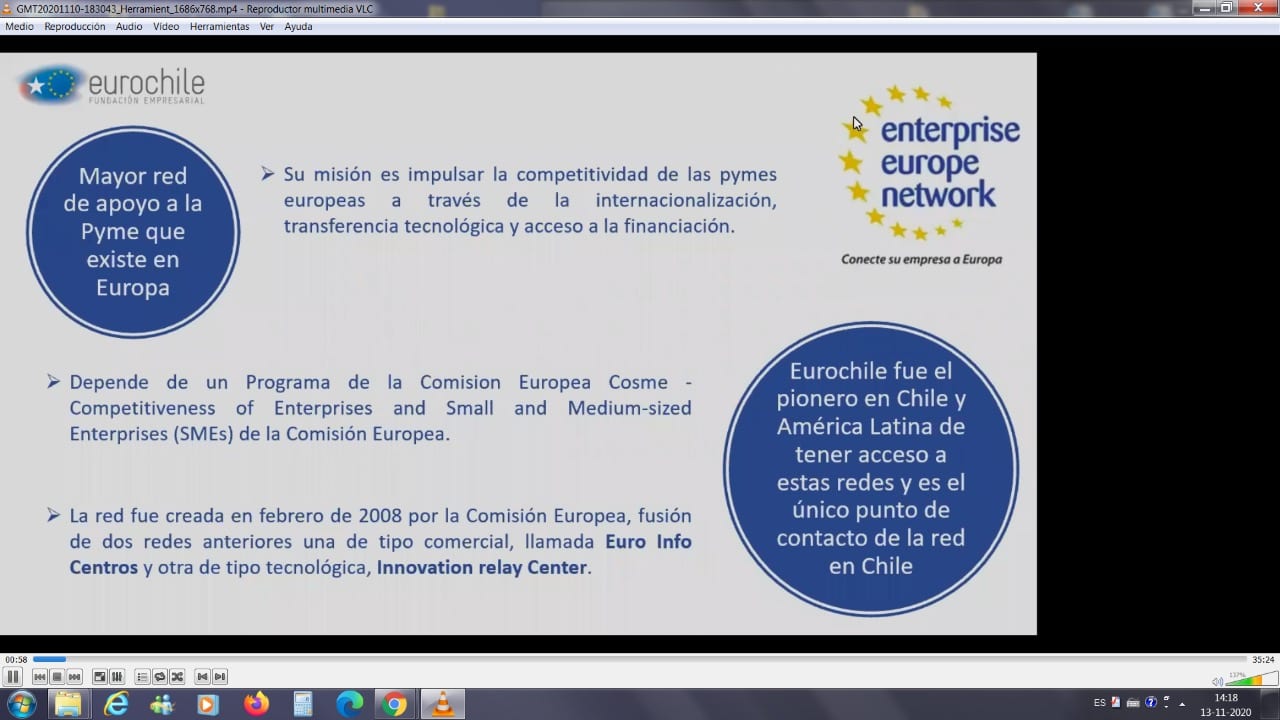
Enterprise Europe Network, the network that serves as a bridge with Europe to SMEs through Eurochile

Know the advantages of connecting your company with Europe and how to achieve it, that was the main objective of the workshop “Internationalization Tools: Enterprise Europe Network” carried out by the director of Networks at Eurochile, Manuela Caruz, to entrepreneurs and participants of the project “Internationalization Node of MICE Tourism in Antofagasta”; a project that is carried out by the Foundation together with Corfo Antofagasta and GEDES and which is currently in the development phase.

And in this context, she presented the advantages of the Enterprise Europe Network (EEN), the most important support network for SMEs in Europe and one of the largest worldwide, whose main objective is to promote the competitiveness of small and medium-sized companies through internationalization, technological and commercial transfer.

Created by the European Union in 2008 and originally designed to act only with its member states, today this network is present in more than 60 countries in the world, and integrates approximately 4 thousand experts and more than 600 organisations in Europe and beyond. Eurochile was a pioneer in our country and in Latin America in having access to this network and today it is the only contact point with EEN in Chile.

The framework of associative possibilities for national companies is broad, since among its members are chambers of commerce, technology centers, science parks, public and private organisations specialised in work with SMEs, public and private development agencies, business federations of SMEs, as well as networks of innovation centers and agencies, among others.

“The main service of this network is the uploading of technological and commercial profiles -both offer and demand- to a platform from where that information is disseminated to all countries and network partners, so that a partner can search within its contacts -and customers- the company we are looking for from Chile for a specific customer ”, explains Manuela Caruz about its operation.

It also allows – she adds – to obtain information on certifications, regulations, technical standards, market operations, specific policies and contacts in Europe.


“If you know about a company or technology in a specific country, we can make that contact through this network. We can also learn about products and new trends in Europe, and obtain information about projects or calls that involve Chile. We can organise individual or group meeting agendas; participate in fairs, visit technology centers, universities, companies, and organise visits as well as participate in business conferences”, says the director of Networks at Eurochile.

To this, a “mentoring” project has been added this year, so that European companies that have developed or that have made progress in solving a problem can pass on that experience to Chilean companies.

“What we have done is that we send a profile from a Chilean company -for example- to our counterpart in Europe, which helps us to contact a company so that it can transfer knowledge, experience or whatever the Chilean company requires. It is a pilot that has been very successful, because the connection is one to one, from company to company, and it solves the specific problem for the Chilean SME”, explains Caruz.

Among the main advantages of the EEN for Chilean SMEs is that it is a transversal, multisectoral network, “where all actors are welcome.” It allows exploring new markets, and the advice of Eurochile, as the network’s point of contact in the country, makes it possible to overcome language barriers and help in the search for profiles according to needs. A network that also has no costs.

“We say that the network is the connection for the European Union, and in our country the EEN offers an opportunity to connect – with personalised services – through Eurochile. Therefore, we are the point of contact and the bridge between Chile and Europe”, affirms Manuela Caruz.

Eurochile manages inquiries about the European market through the network with the support of the different contact points, and the service they provide can range from the orientation of information sources to find it on their own, to more specific information. And being a network endorsed by the European Commission, the information there is very reliable, and it guarantees that the contacts are serious.

“The profile, together with the offer -or the needs- is uploaded to the network and disseminated, and from there contacts are generated with European partners. Based on the information that comes to us, we deliver it to the client in Chile to see if there is interest, and if there is interest from our country and from Europe, contacts are made. Then the negotiation and future talks take place directly between the companies, although we can support if necessary. You are the experts, the ones who know your business and its needs. Therefore the conversation is between you”, says the director of Networks.

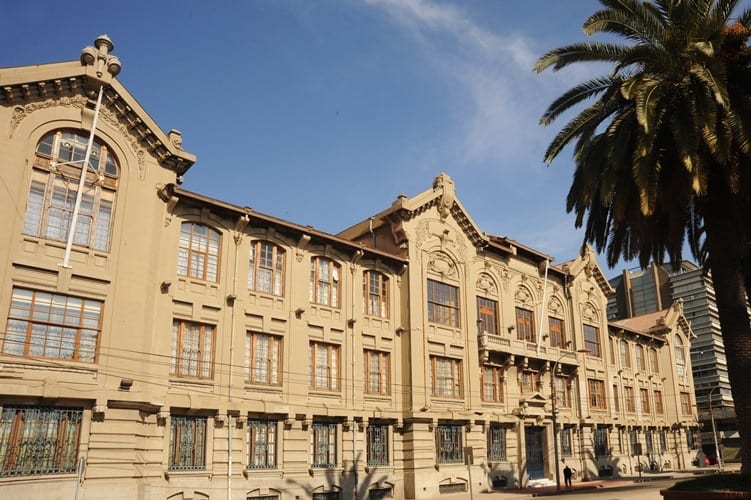
PUCV Food Science Faculty reaches an agreement with a Spanish university with the support of Eurochile

Within the framework of the strategic plan of the Pontificia Universidad Católica  de Valparaíso (PUCV), internationalization plays a key role, which is carried out -among other areas through collaboration agreements and exchange programs with universities in other countries. And in this logic, the Food faculty of the university makes permanent efforts to strengthen the mobility and exchange of its students and teachers.

For this reason, when a special invitation came from Eurochile to participate in the webinar “In times of pandemic: The importance of networking” held on July 14, they did not hesitate to participate, as they have done in numerous opportunities in recent years in activities of the Foundation.

The purpose this time, explains Fernando Salazar, director of the School of Food Engineering of the PUCV, was “to achieve an alliance with companies or European institutions of higher education related to the food industry, which would be interested in receiving our students to carry out their professional practices. Eurochile has a wide network of contacts in Europe, and immediately put us in contact with important companies and prestigious higher education institutions”.

“For us – he adds – international networks and especially with Europe are fundamental, we have good experience in the past in research issues with a French company where the support of Eurochile was essential”.

The mentoring work carried out by Eurochile, in support of the objectives of the PUCV, made it possible to locate a European university interested in international collaboration. From there, the direction of the Faculty of Food Science gave the guidelines and put both international relations offices in contact. This made it possible to achieve in record time, in a couple of months, the signing of a framework agreement between the Universidad Europea del Atlántico and the Pontificia Universidad Católica  de Valparaíso.

An agreement, says Salazar that will benefit his students. “As Food School, and as university, we have important agreements with prestigious foreign universities and we are always receiving students from Europe. Now we are interested in advancing in issues of professional practices, which will allow our undergraduate students to learn more about the world of work in Europe”, he explains.

There are several interests in common, he says, among which are research topics related to healthy eating and disease prevention. “Without a doubt, this alliance will allow us to advance a lot in this area of ​​knowledge, but in many other research topics, considering that the agreement has been signed at the university level and all other disciplines could also be favored in the field of research, undergraduate and graduate programs,”adds Salazar.

For the director of the Food School of the PUCV, the objective is that this agreement allows them to offer in the first instance professional internships abroad to their undergraduate students, and then continue with exchanges of professors on research topics.

“For us it is very important to continue advancing in internationalization issues and to achieve alliances with Europe. We value the efforts made by Eurochile and we appreciate their support, which is reflected in the signing of this agreement and in projects previously carried out with Europe”, he says.

Knowing the client and achieving an emotional connection with the destination are key in promoting business tourism

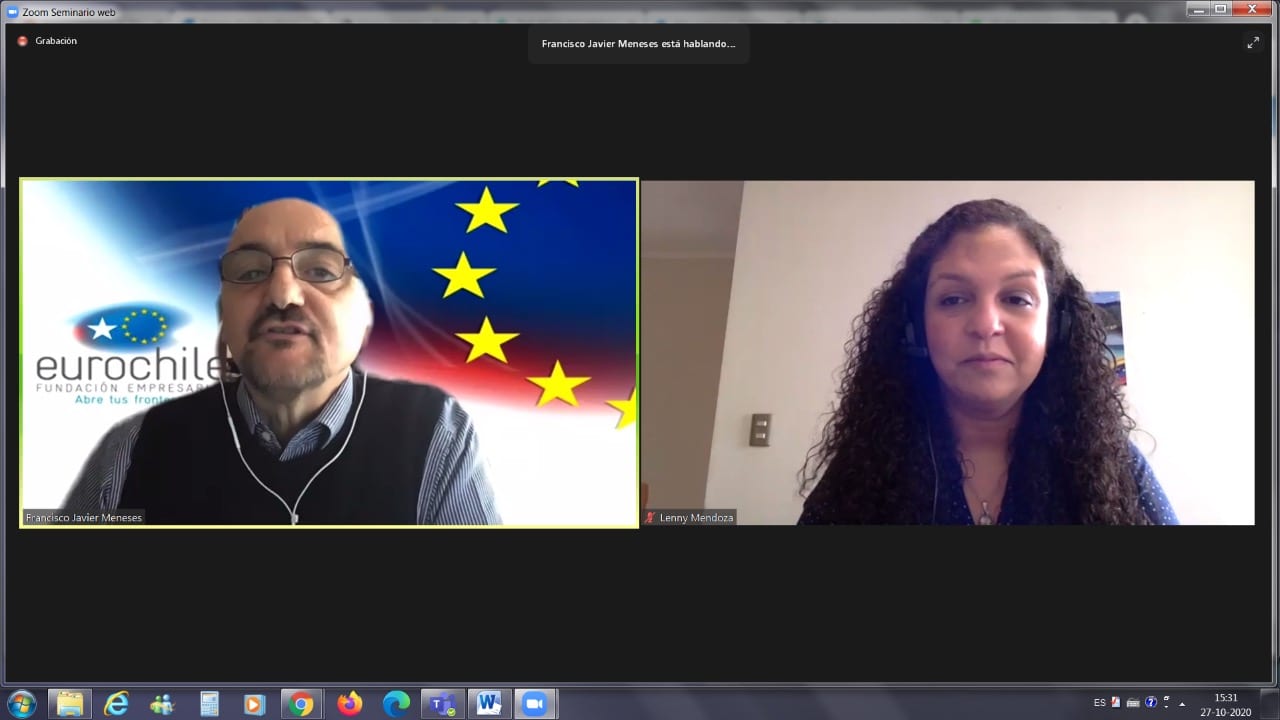
Within the framework of the project “MICE Antofagasta Tourism Internationalisation Node”, which is carried out by the Eurochile Business Foundation in conjunction with Corfo Antofagasta and GEDES, a workshop was held this week on the promotion of meeting and event tourism. Lenny Mendoza, MICE tourism expert was in charge of the workshop, where a series of positioning and sales strategies for these types of destinations were analyzed.

Although MICE tourism (Meetings, Incentives, Conventions and Exhibitions) includes a series of possibilities, from corporate meetings to holding congresses, events and incentive activities for company employees or clients, there are a number of elements in common to ensure that these types of meetings take place in a specific destination.

Certainly, there are some basic elements that must be taken into account, such as good connectivity, transportation, attractions, hotel capacity, the existence of tourist service companies and meeting venues, but there are also specific client objectives that vary depending on the type of meeting that he wants to organize.

Therefore, Lenny Mendoza said, a key aspect in promoting MICE destinations is informing and persuading potential stakeholders regarding the goods and services offered, but at the same time knowing customers well and clearly identifying their requirements to build jointly an experience.

“When we talk about promotion and tourism, it is important to stop and identify the client’s needs and not just deliver my information. Passing on a quote, for example, is not getting involved, and that prevents building a relationship with the client. Knowing what he is looking for and what his goals are will allow him to be happy, successfully sell my product and achieve the ultimate goal, which is to hold the event ”, she explained.

And this is valid, for example, for all types of accommodation. Large rooms or event centers are not always required, Mendoza explained, because there are corporate meetings of different levels and some that are smaller, with less than ten people.

“They are all important,” she said, “and this also allows us mobility at the destination. There may be an entrepreneur who does not have a large infrastructure but does have meeting rooms, and if he decides to join MICE tourism, he will be able to develop perhaps small meetings, in different formats, but this will give him a constant flow compared to someone who may only be dedicated to capturing large-scale meetings, which may have only one event. The small meetings will allow you to promote yourself, connect, relate, and then we are going to position ourselves to advance the organization of conferences and meetings”.

What is required to attract this type of tourism? First: some basic aspects of the hotel industry, that the offer is wide, varied and of quality. Ideally, have meetings and accommodation together in the same place, but if not, work in an associative way between venues whose distance – ideally – can be covered by walking. And obviously, good internet and wifi coverage is basic.

“MICE tourism generates three to five times more income than normal tourism, because it is a tourist with a greater purchasing power, and although its stay is shorter, it usually guarantees a return; if he likes the destination, he goes back with family or friends. But he is also a more demanding tourist, and the issue of connectivity is essential throughout the hotel, “said the meeting tourism expert.

To this must be added some promotional strategies, elements that make a destination or venue different from the rest that are not always linked to a cost. For example, having some free space for meetings around an event, special rates for groups in the three days before or after the event, flexible hours in services to make better use of time, or discounts for support staff , for example.

But there is one aspect that is key, said Lenny Mendoza, mainly in some of the MICE events such as incentive tourism: creating unique experiences in unique places in exclusive settings, with elements of surprise. This will generate an emotional connection in the tourist, which will ultimately help in promoting the destination.

“When you start developing these unique experiences, that person is going to be our best promotion strategy,” she says. This can be achieved by taking some activities to places such as an observatory, vineyards, daring to think of different places. “You have to understand that innovating is not doing something from scratch, nor is it necessarily related to technology. Many times, from what we have, there are elements that we can transform to do something different without starting from scratch”, she explained.

And in this, prior research is the key. First, to whom and what am I going to sell, what are the other people who are in the same business doing at the regional, national or international level. What do I want, and what could I innovate in? “Always the first thing is the investigation of the markets, how to capture events and what I can do differently,” said the expert.

And in this, it is essential to constantly talk with the client who seeks to organize an event of this type, be interested in his requirements and investigate with him to jointly build an offer. It is important that they meet, try, work and trust.

“I need you to get to know me,” she explained, “to see what I’m doing and then we are going to work together. And after we do it, a super important part comes which is to generate loyalty with the services, with the products and with the headquarters. The testimony of those who have organized events is important, because that gives us a track record. We are the solution to a customer’s need; you always have to think that”

“And at the same time,” Mendoza added, “flexibility is a strategy. Many times what they ask us can be done if we give it a different look. It makes the client feel comfortable in the organization of the event that they understand it and it is possible to adapt to their requirements. That client will always return to the provider that gave him a service from flexibility”.

All this, she concluded, accompanied by positioning strategies, marketing campaigns and social networks, where the essential thing, she said, is to aim for differentiation but -mainly- to place the destination in value and to generate a campaign that connects emotionally with the client.

European patterns of a New Tourism

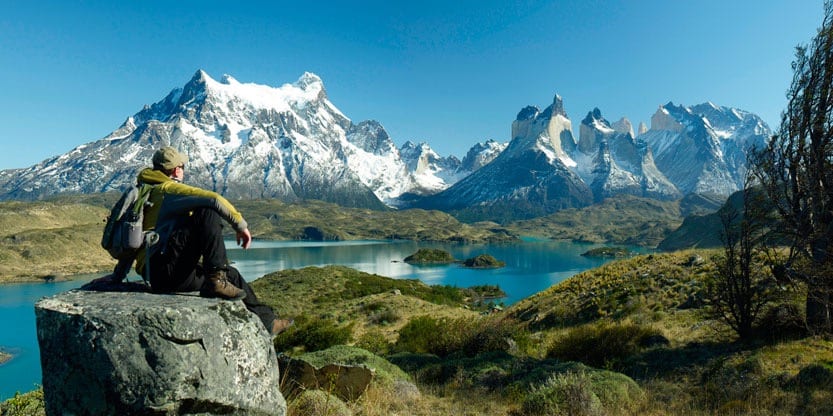
The new tourist, today, is more willing to travel or move given the confinement in which he has lived all this time, however, he will not do it very far from his home. The proximity tourism will be the great ally of the new tourist, allowing him to travel and vacation in sectors close to his comfort zone. This premise has been reaffirmed with the behavior of tourists in the recent European summer. Nature tourism, with outdoor activities, with low load capacity and which invites tourists to relax and renew energy has been one of the favorites, as well as trips to second homes and in their own car.

In Spain, it has been the case that the most visited tourist destinations have been those related to nature tourism and rural tourism. According to official data as of September, the Principality of Asturias was the community with the highest occupancy rate in rural tourism accommodation, with an average of 62.5%. Rural and less crowded accommodation, with fewer people and greater isolation, have been the most in demand. At first, tourists did not want to travel, they were afraid, but after spending so much time in confinement and when summer arrived, the demand for leisure activities and gastronomy was reactivated. The promotion strategy has been to attract local markets, and mainly national tourists. On the public-private side, the coordinated work between municipalities and local business organizations has been key to the reactivation of tourism, they have worked to regulate everything that the law requires of them, such as the use of a mask, sanitiser gel for hands, reduced capacity to comply with security measures and serve tourists well. Also, they have taken care that any object that is susceptible of being touched by the public is eliminated. The idea is that companies can guarantee tourists that they comply with all security measures and protocols; not generate false expectations, delivering a clear message that there are no places free of Covid-19, but that it is possible minimize the risk of contagion, and in this regard the tourism industry must be conservative and conscientious.

ICP Ingeniería and Eurochile develop a project to create a protocol of good practices in circular economy for the infrastructure sector

For the circular economy to be installed in the country, it must go from speech and theory to concrete application in production processes. Although there are already advances, there are some areas where its installation seems to be more complex, such as the engineering of large infrastructure projects and civil works, where changing the way things are done can take more time. And it is precisely there where ICP Engineering seeks to generate changes from the design of the projects.

An interest that arose from its incorporation to the Eurochile Circular Economy Working Group after an invitation from the Foundation’s Area of ​​Technology Transfer and Circular Economy, and which today translates into a specific project that will be developed with the financial support of Corfo: the creation of a protocol of good practices in circular economy for this industry.

“The objective is to identify instances within the design of the proposals, as in a transversal way in infrastructure projects, where requirements aligned with the circular economy can be implemented, as a tool that gives added value to our proposals and to customers,” explains Fernando González, general manager of ICP Ingeniería.

The idea, he adds, is “to have a methodology that allows us to evaluate the circularity of the design solutions generated by our company and to transfer good practices of the circular economy to the technical teams in our organisation.”

This protocol, which will be co-built by ICP Ingeniería and Eurochile, will be based on ecodesign and will seek to address the instances where improvements can be implemented that add value to the projects. And it will also be done with a practical case: the design of a diversion tunnel for a hydroelectric plant where gates that are currently in use in another project must be used.

In other words, a practice of reusing components that will imply rethinking and reducing the materials required for the work, and which is expected to allow the company to increase its chances of being awarded to tenders by considering the application of circular and sustainable measures within its service offers.

“The advantage of including the reuse of equipment included in the works of hydroelectric power generation projects in very early stages, allows us to design civil works considering this criteria,” explains González. Are there similar experiences? “We are not sure that there is a specific methodology to measure the circularity of engineering solutions at the level of infrastructure projects, which is the objective pursued by this project,” he adds.

This will not only increase the competitiveness of companies  through the development of a differentiating tool based on ecodesign, but will also help to reduce the negative environmental impacts of infrastructure projects and increases the efficiency in the use of raw materials, which definitely delivers greater value to the customer.

Today, says the general manager of ICP Ingeniería, there are many opportunities to apply concepts of the circular economy in the design of equipment and energy generation work. And for this reason, the project’s commitment is also install a new way of thinking that modifies the way of approaching the design process of the infrastructure sector.

Therefore, explains Fernando González, among the things they seek to install with the development of this joint project, is to transfer good practices of the circular economy to the design process and add value by generating solutions with a low environmental impact, reduce waste and consider in its engineering solutions the use of recycled materials, as well as equipment from other projects. “These can be reconditioned and used again. In a project under development, we are reusing equipment from another project  and with this solution it is possible to reduce the total cost – of the equipment and accessories- in a range of 25% of the value with respect to the solution without reusing equipment ”, he says.

“The work with Eurochile – adds González – has been very positive because it has allowed us to add new knowledge of circular business models, and expand our networks with companies in Europe that have implemented circular business models. This protocol will be very positive for our value proposition, given that in the tenders we participate, there are international companies that are already applying models to measure the circularity of suppliers. This will surely allow us to make a difference”.

Post Covid-19 recovery: health security and digital transformation will be key for business tourism

Last Tuesday, October 6, within the framework of the seminar “Transfer of trends, strategies and health measures in MICE Tourism (Meetings, Incentives, Conventions and Exhibitions)”, organized jointly by Eurochile, Corfo Antofagasta and GEDES, the Spanish expert in tourist destinations strategy, Raúl García López gave the audience the main guidelines that companies engaged in this activity in Europe are assuming, after a first stage of post-quarantine reactivation.

The activity, moderated by the Director of Strategic Development of Eurochile, Francisco Meneses, is within the project “Nodo Internacionalización Turismo MICE Antofagasta” that is being developed together with Corfo Antofagasta to make that city an attractive destination for MICE tourism.

For García López, it is important to see in this forced shutdown of the industry an opportunity “to better prepare companies so that in the future, when the sector reopens, they will be more competitive.”

The first thing, he stated, is to rethink the entire strategic positioning of the company in the market: what makes us unique, what makes us authentic and what makes us different from the competition. This also implies analysing the offer of products and services that we offer. “Maybe we were thinking of capturing all kinds of events and congresses, and perhaps it is time to specialise and work on a target market to give more added values,” said the Spanish expert.

And in this context, he added, it is important to work on both the quality of the service and its customization. “Before we could offer the same program to different clients, today you have to know well the business culture, the strategic objectives of the company and organization when it holds an event, and customise the program and activities that we propose them.”

Another strategy to work towards the reopening and normalisation of tourism, he stated, is to work a lot with current clients, captive clients, “who are the first to work with us again. We cannot disappear; we have to be in contact with them during this pandemic”.

Sanitary measures to build trust

To give confidence to those attending events and seminars, once large group meetings are allowed again, having strict sanitary protocols, as well as strategic planning in this line, will be essential.

“The basic and general recommendations,” explained García López, “are to have a prevention plan that protects both employees and those attending the meetings. As we do not know well the evolution that the pandemic is going to have, we have to plan for different recovery scenarios, and for this we have to identify the threats that we may have related to Covid-19, and the measures that we can implement to correct them “.

Other aspects to take into account, he said, are the protection of employees, and defining occupational risks; contracting insurance that covers possible effects of the pandemic, such as possible infections at the meeting or event; the requirement of health certificates from suppliers; carry out independent external audits that allow to know if the implemented measures are correct or effective; and improve internal processes for greater health security and confidence in customers.

Among the protection measures for those attending the events, he added, is the sending of detailed information regarding the security measures that will be taken, and also the obligations that they have to comply with; do temperature tests at the entrance of the event; regularly disinfect all spaces; deliver a welcome kit with a mask and disinfectant gels at the entrance of the event, and in different areas so that people can use them if they need them; and invest in technology to facilitate online registration and avoid crowds at the entrance of events.

Some of the measures that are being implemented, he said, trying to carry out as many procedures as possible – and delivery of information – through the cell phone, to avoid crowds and lines of people. “If there is a budget, put information points with virtual assistants instead of people, encourage mobile or contactless card payments, put vending machines throughout the convention center or hotel. In large plenary sessions, it is proposed that they be divided into several smaller rooms and connected through a streaming signal”, said García López.

Moving towards digital

And along these lines, said the Spanish expert, it is essential to advance in digitalisation. “The first thing that I propose as a strategy for any tourism company, but more so in meeting tourism, is that you have to go towards a digital transformation of companies. Tourism has become almost 100% digital, and all meeting organisers are on a digital phase, but many companies and destinations have not yet understood this”, he said.

This not only implies the necessary investment in technology, he said, but also modifies the business culture: see what needs to change in the company to have a more focused positioning on the online channel, and specifically on the mobile channel, which is increasingly important.

In this regard, García López raised four fundamental pillars for the digital transformation of tourism companies. First- the user experience- “with all our communication and sales channels, our applications and social networks. That communication with us through the online world must be fluid and easy”.

Secondly, he said, it is necessary to move towards the personalisation of services, “working with each client as if they were unique and personalising the proposals and activities that we propose to them. To this is added automation, which saves a lot of time and money but also ensures that the event goes better; and finally, resilience. We are in a constantly changing environment -since before the pandemic, now much more-, technology and consumer habits are tremendously changing the sector and in meeting tourism new generations such as millennials -and the centennials that will come later – they want other types of meetings and not the traditional ones”.

Therefore, he said, it is necessary to invest in technology because many companies in the sector do not have a technological base, and even with little money, online positioning can be greatly improved.

“It is very important,” he added, “to also start working on big data, in collecting all the data generated by clients and meeting attendees to measure how the event has turned out, if the objectives have been achieved. Also, and more now with the issue of Covid-19, meeting rooms should start investing in sensors that generate flow data, and allow knowing if the maximum capacity of a room has been reached, for example ”.

This type of technology, he said, also allows information to be sent in real time to improve satisfaction. “In this we are, for example, with beacons, small devices with bluetooth technology that allow sending personalized messages to mobile devices based on their geolocation. With this you can send a message to the people who are at the entrance of a meeting room to tell them that the session is going to start or that there has been a change of room or any important information to send, but to a certain number of people based on their geo-positioning”.

To improve both the experience and the management, he said, in the convention tourism sector progress is being made towards intelligent meetings, “working on the acquisition of software or other disruptive technologies that allow controlling and organizing all the elements, and above all reaching a automation; that there are different procedures that can be done automatically without having to be very above them”.